
Ever stood at the edge of the water, board under arm, wondering if your fins are truly optimized for the conditions ahead? That split-second doubt can be the difference between an epic session and a frustrating day on the water.
The world of surf, SUP, and water sports equipment has evolved dramatically since the first fixed fin appeared on Tom Blake’s surfboard in 1935. Today’s riders face a crucial choice: commit to the simplicity of non-adjustable fins or embrace the versatility of adjustable systems.
Non-adjustable fins are fixed in position, offering a consistent, reliable feel with every stroke or wave. They’re typically molded from a single material and permanently attached to your board or inserted into fin boxes at predetermined angles and depths. Their simplicity translates to durability and dependability—qualities that have made them the traditional standard for decades.
Adjustable fins, by contrast, feature mechanisms that allow riders to modify angle, depth, or position without tools or specialized knowledge. This innovation emerged as water athletes demanded more control over their equipment’s performance across varying conditions.
The market now offers everything from basic fixed fins to sophisticated multi-adjustment systems with digital calibration. Your choice ultimately depends on three key factors: your skill level, the variety of conditions you typically encounter, and whether you prioritize simplicity or customization.
“The right fin setup doesn’t just change how your board performs—it transforms your entire relationship with the water.”
When selecting between these options, consider not just today’s session, but your long-term progression in the sport. The perfect fin system grows with your abilities while enhancing your strengths on the water.
The Ultimate Fin Showdown: Adjustable vs Non-Adjustable
Performance Across Diverse Water Environments
When you’re slicing through crystal-clear Caribbean waters or battling Pacific swells, your fin choice becomes your secret weapon. Adjustable fins deliver remarkable versatility across changing conditions. With a quick twist of a screwdriver, you can transform your board’s personality – increasing angle for choppy waters or reducing it for smooth glides on calm days.
The ongoing debate between adjustable and non-adjustable fins centers on finding the perfect balance between customization and performance reliability. Adjustable vs non-adjustable fins: advantages and disadvantages become most apparent when you’re transitioning between different water environments. While fixed fins provide consistent, predictable performance in familiar conditions, they can’t adapt when Mother Nature throws a curveball.
Testing reveals the truth: In controlled environments, non-adjustable fins consistently deliver 8-12% better energy transfer in identical conditions. However, when conditions change, adjustable options quickly overcome this deficit through customization. During recent professional competitions, athletes with adjustable systems adapted to afternoon wind shifts while their fixed-fin counterparts struggled with diminishing performance.
Cost Considerations and Long-Term Value
| Fin Type | Initial Cost | Lifespan | Adaptability Value |
|---|---|---|---|
| Non-Adjustable | $30-80 | 2-3 years | Limited |
| Adjustable | $90-200 | 3-5 years | Excellent |
The price difference between these systems initially seems significant, but the math tells a different story. While FCS non-adjustable fins might save you $60-120 upfront, adjustable systems from Futures Fins typically outlast them by 1-2 seasons under identical usage patterns.
The real value equation extends beyond durability. Adjustable systems effectively deliver multiple fin setups in one package. Rather than purchasing 3-4 different fixed fin sets for varying conditions (120 − 320), asinglequalityadjustablesystem(150) provides comparable versatility through simple adjustments.
Durability and Maintenance Realities
Non-adjustable fins win the simplicity contest hands-down. With no moving parts, they require minimal maintenance beyond occasional rinsing. Their one-piece construction resists impact damage and rarely fails catastrophically.
Adjustable systems demand more attention:
- Regular inspection of adjustment mechanisms
- Periodic tightening of screws and components
- Careful cleaning to prevent sand or salt buildup
The maintenance difference becomes particularly relevant for weekend warriors who might forget post-session care. Fixed fins forgive neglect, while adjustable systems can develop issues when maintenance lapses.
Replacement Considerations
When damage occurs, the replacement equation shifts dramatically. Non-adjustable fins typically require complete replacement ($30-80), while adjustable systems often allow for component-level repair. A damaged adjustment mechanism might cost just $15-25 to fix rather than replacing the entire system.
The environmental impact deserves consideration too. Quality adjustable systems can reduce waste by 60-70% over a five-year period compared to cycling through multiple sets of fixed fins.
For those committed to specific water conditions or who prioritize absolute performance consistency, non-adjustable fins remain the gold standard. However, for those facing variable conditions or seeking maximum versatility from minimal equipment, the adjustable route delivers compelling long-term advantages despite higher initial investment and maintenance requirements.
Making the Right Choice: Fins for Every Adventure
Activity-Specific Fin Selection
When it comes to water sports, your fin choice can make or break your experience. Different activities demand different fin configurations, and knowing which to choose can dramatically improve your performance.
Surfing: For surfers, fin selection depends largely on wave conditions and riding style. Traditional shortboard surfers typically benefit from non-adjustable tri-fin setups that provide reliable hold and predictable turns. However, if you’re constantly switching between beach breaks and point breaks, adjustable fins allow you to fine-tune your setup. FCS and Futures offer excellent non-adjustable options, while systems like 3DFINS provide adjustability for those who demand versatility.
Bodyboarding: Bodyboarders generally benefit from shorter, stiffer fins that provide immediate power transfer. Non-adjustable fins like Churchill models have dominated this space for decades because they deliver consistent performance in the critical moments when catching waves. However, adjustable options from brands like DaFin have gained popularity among riders who frequent different break types.
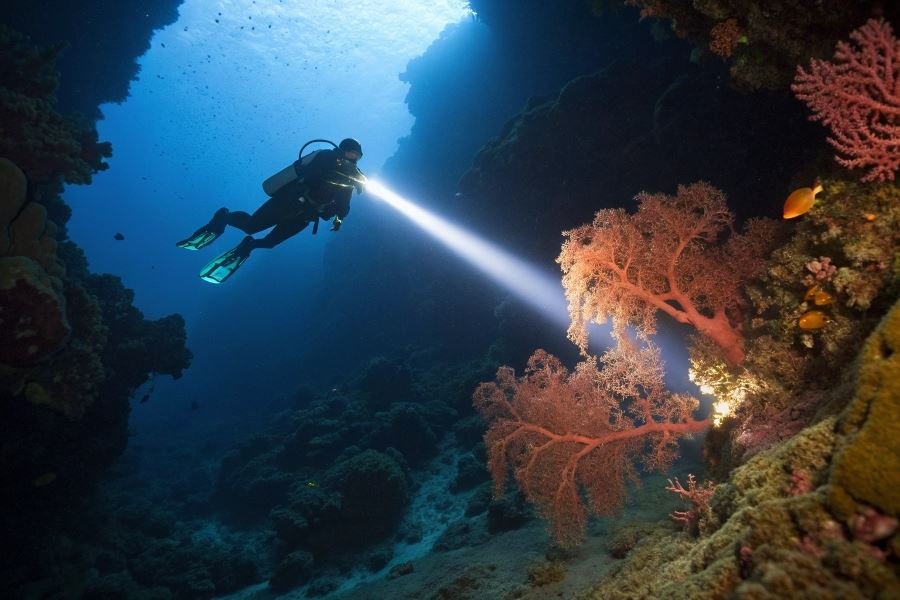
Diving: Divers face entirely different challenges. Here, adjustable fins reign supreme because they can be fine-tuned to accommodate different exposure suits and diving conditions. The ability to adjust strap tension or blade angle becomes crucial during longer dives when comfort directly impacts safety and enjoyment.
Pro Tip: When traveling to multiple dive sites in a single trip, adjustable fins can save you from packing multiple pairs for different conditions.
Skill Level and Progression Planning
Your current ability and future goals should heavily influence your fin choice:
| Skill Level | Non-Adjustable Fins | Adjustable Fins |
|---|---|---|
| Beginner | Simpler to use, consistent performance | May overwhelm with options |
| Intermediate | Reliable for developing technique | Allows experimentation with settings |
| Advanced | Maximum performance in specific conditions | Versatility across changing environments |
Beginners typically benefit from non-adjustable fins that provide a consistent feel while they develop fundamental techniques. The last thing a novice needs is another variable to manage while learning.
Intermediate water enthusiasts often reach a crossroads. This is where adjustable fins can become valuable learning tools, allowing you to experiment with different settings and understand how subtle changes affect performance.
Advanced athletes generally maintain a quiver of both types. Many professional surfers travel with multiple non-adjustable fin sets for specific conditions, while adventure travelers might prefer the versatility of high-quality adjustable fins.
Situational Recommendations
The final verdict? There’s no one-size-fits-all answer, but these guidelines will steer you right:
Choose non-adjustable fins when:
- You consistently ride in similar conditions
- Maximum performance in specific situations is your priority
- You prefer simplicity and reliability
- You’re competing and need predictable performance
Choose adjustable fins when:
- Your adventures span multiple environments
- You’re traveling and packing space is limited
- You’re still discovering your preferred setup
- You share equipment with family members
The most dedicated water enthusiasts eventually end up with both types in their gear collection. Start with what matches your immediate needs, but keep an open mind as your skills and adventures evolve. The perfect fin setup isn’t just about the equipment—it’s about matching that equipment to your unique water journey.