
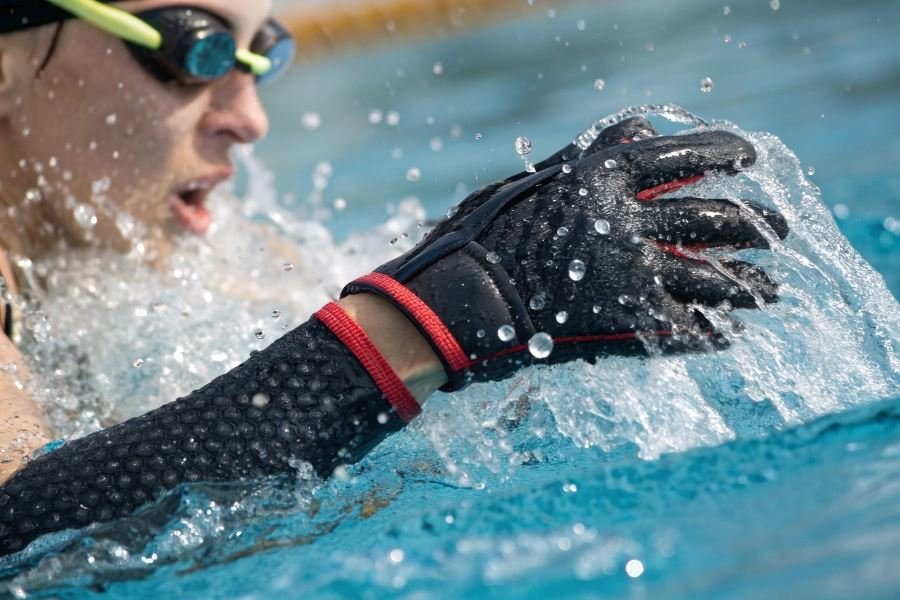
Ever watched an Olympic swimmer slice through water with seemingly superhuman power? That explosive strength isn’t just natural talent—it’s engineered through resistance training, with swimming parachutes leading the revolution in water-based strength development.
Swimming parachutes are specialized drag devices that attach to a swimmer’s waist or torso, creating controlled resistance that forces muscles to work harder with every stroke. Think of them as the aquatic equivalent of running uphill—except you can adjust the steepness! The magic happens in the materials these parachutes are made from, which directly impacts your training effectiveness.
The material of your swimming parachute isn’t just a specification—it’s the difference between mediocre gains and exceptional performance improvements.
Material matters: How fabric choices transform your training
Different materials create distinctly different training experiences. Nylon parachutes offer moderate resistance with excellent durability, making them perfect for consistent, long-term training. Polyester blends provide greater resistance while maintaining shape even after hundreds of sessions. The newest silicone-coated fabrics deliver maximum drag with minimal water absorption—ideal for explosive power development.
Your training goals should dictate your material choice:
- Endurance focus: Lightweight mesh materials that create moderate, sustainable resistance
- Sprint power: Dense, water-resistant fabrics that maximize drag force
- Technical refinement: Adjustable materials that allow for progressive resistance increases
The difference between the right and wrong material isn’t subtle—it’s the difference between training that transforms your performance and sessions that merely tire you out without purpose.
Essential Materials That Make Swimming Parachutes Work
When you’re slicing through the water with a swimming parachute trailing behind you, the last thing you want is equipment failure. The difference between a productive resistance training session and a frustrating experience often comes down to material quality. Let’s dive into what makes these aquatic training tools tick.
The materials of swimming parachutes: what to pay attention to when choosing can dramatically impact your training effectiveness and equipment longevity. From the fabric that creates resistance to the connections that keep everything secure, each component plays a crucial role in performance.
Nylon and polyester powerhouses
The primary body of quality swimming parachutes typically features either nylon or polyester construction—sometimes a strategic blend of both. These materials aren’t just randomly selected; they’re swimming workhorses for good reason:
Nylon advantages:
- Superior strength-to-weight ratio
- Excellent elasticity (up to 15-20% stretch before breaking)
- Natural water-shedding properties
Polyester strengths:
- Enhanced UV resistance (critical for outdoor pool training)
- Faster drying time
- Greater dimensional stability when wet
The best Speedo and TYR parachutes utilize 210-420 denier fabric—the higher the number, the more durable the material. This specification directly correlates with how many seasons you’ll get from your investment.
Mesh materials and drag science
The mesh components of swimming parachutes deserve special attention as they’re responsible for creating the resistance that builds your power:
The drag coefficient varies significantly based on mesh density and pattern design.
| Mesh Type | Drag Coefficient | Best For |
|---|---|---|
| Fine mesh | 1.8-2.1 | Technical training, beginners |
| Medium mesh | 2.2-2.5 | Intermediate swimmers |
| Coarse mesh | 2.6-3.0 | Power development, advanced |
Water flow considerations extend beyond just resistance. Quality parachutes incorporate strategic mesh placement that allows for controlled water channeling, preventing the parachute from collapsing or veering sideways during intense training sets.
Reinforced seams and connection points
The weakest link in any swimming parachute is typically where materials join together. This is where manufacturing quality becomes evident:
Critical reinforcement zones:
- Belt-to-cord connections (should withstand 40+ pounds of force)
- Cord-to-parachute attachment points
- Perimeter seams of the parachute body
Triple-stitched seams with reinforced bartacking have become the gold standard in premium models from brands like FINIS. These construction techniques prevent the catastrophic mid-workout failures that plague cheaper alternatives.
The material strength factors extend to the hardware as well. Marine-grade stainless steel or high-density polymers should be used for any buckles or adjustment mechanisms. These materials resist chlorine degradation and maintain structural integrity even after hundreds of training sessions.
When evaluating swimming parachutes, run your fingers along the seams and connection points—they should feel substantial and show no signs of fraying or weakness. This tactile inspection often reveals quality differences that specifications alone might not capture.
Material Mastery: Extending Your Swimming Parachute’s Lifespan
When you’re slicing through the water with a resistance parachute strapped to your waist, the last thing you want is your equipment failing mid-session. The difference between a parachute that lasts three months versus three years often comes down to material selection and maintenance. Let’s dive deep into what separates the champions from the challengers in swimming parachute materials.
UV resistance and chlorine’s silent attack
Pool chemicals and sunshine form a brutal tag team against your training gear. The highest-performing parachutes use materials specifically engineered to withstand this daily assault.
Silicone-coated nylon stands as the gold standard for chlorine resistance, maintaining structural integrity after hundreds of pool hours. Tests show these materials retain over 90% of their tensile strength after equivalent exposure to a full competitive season.
Polyurethane-treated fabrics offer a middle ground, providing decent protection at a more accessible price point, but typically show visible degradation after about 150 hours of pool time.
Standard nylon without specialized treatments? You’re looking at color fading within weeks and potential material breakdown within months.
The difference between premium and standard materials becomes most apparent during the second season of use – when budget options have already surrendered to chemical damage.
Maintenance requirements that won’t sink your routine
Different materials demand different care routines:
| Material Type | Rinse After Use | Deep Clean Frequency | Storage Requirements |
|---|---|---|---|
| Silicone-coated nylon | Yes | Monthly | Dry, out of direct sun |
| TPU-reinforced polyester | Yes | Bi-weekly | Dry, ventilated space |
| Standard nylon | Yes | Weekly | Dry, away from heat sources |
| Mesh blends | Yes | After each use | Hang to dry completely |
TPU-reinforced polyester requires minimal maintenance while delivering impressive durability. A quick rinse after each session and occasional deep cleaning keeps these parachutes performing at peak levels.
Mesh blend materials offer excellent water flow dynamics but demand religious post-swim rinsing to prevent chlorine buildup in the tighter weave patterns.
The maintenance sweet spot? Materials that can be machine washed occasionally without compromising structural integrity, saving you precious time between training sessions.
Premium vs standard materials: The real cost calculation
When calculating the true value of swimming parachutes, consider these factors:
- Lifespan ratio: Premium materials typically last 3-4x longer than standard options
- Performance consistency: Higher-grade materials maintain drag properties throughout their lifespan
- Environmental impact: Durable products mean fewer replacements and less waste
A premium Speedo resistance parachute using silicone-treated materials might cost $75 compared to a $30 standard option, but when the premium version lasts four seasons instead of one, the math becomes clear.
The hidden cost factor: Training disruption when equipment fails. For serious athletes, consistency is priceless.
The smartest investment approach combines material quality with usage patterns. Daily trainers should prioritize chlorine resistance and UV stability, while occasional users might find standard materials sufficient if proper maintenance is followed.
Remember that even the finest materials require proper care. A premium parachute neglected after use will deteriorate faster than a budget option that’s meticulously maintained. The winning formula combines quality materials with consistent maintenance—creating a training tool that delivers session after session, year after year.