
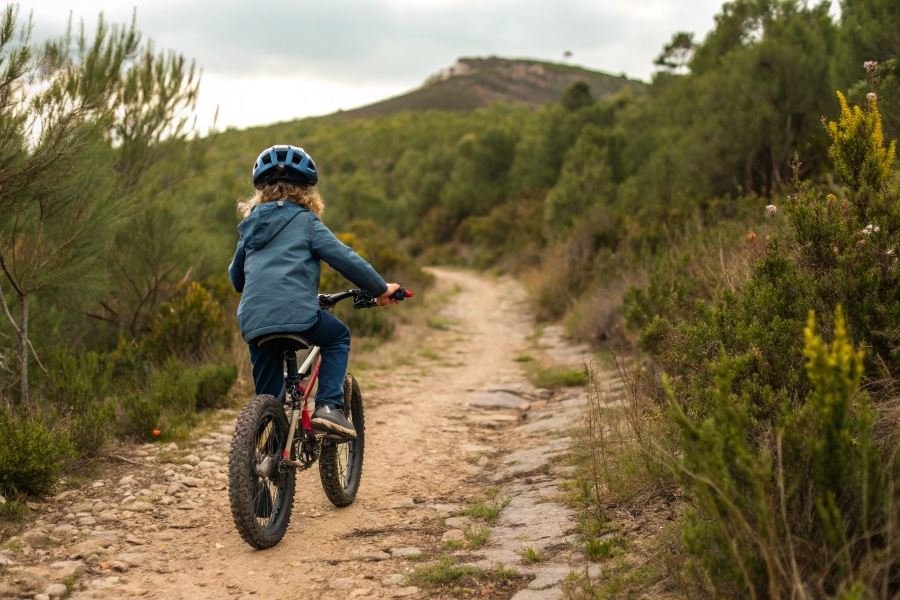
Ever watched a toddler glide effortlessly across the park, feet barely touching the ground, on a bike with no pedals? That’s the magic of balance bikes – the revolutionary first step in cycling that’s transformed how children learn to ride.
Balance bikes eliminate training wheels from the equation, allowing kids to focus on the fundamental skill of balancing before tackling pedaling. By straddling the bike and pushing with their feet, children develop coordination and confidence at their own pace. But when it comes to choosing the perfect balance bike, parents face a crucial decision: wooden or aluminum?
The wooden vs. aluminum debate isn’t just about aesthetics – it impacts everything from durability to riding experience. Wooden balance bikes offer natural shock absorption and an eco-friendly appeal, while aluminum models boast lightweight maneuverability and weather resistance.
Key factors in your decision
When selecting between these materials, consider:
- Weight: Aluminum bikes typically weigh 2-3 pounds less than wooden models, making them easier for smaller children to handle
- Durability: Aluminum withstands outdoor elements better, while quality wooden frames offer surprising resilience
- Comfort: Wooden frames naturally dampen vibrations, creating a smoother ride on rough surfaces
- Adjustability: Most aluminum bikes offer more height adjustment options for growing children
- Environmental impact: Sustainably sourced wooden bikes leave a smaller carbon footprint
The perfect balance bike aligns with your child’s specific needs, your values, and the riding environment they’ll encounter most often. The material choice forms just one piece of this exciting developmental puzzle.
Battle of the Bikes: Wooden vs Aluminum Balance Bikes
When choosing a balance bike for your little speedster, the frame material becomes one of the most crucial decisions you’ll make. The debate between wooden and aluminum balance bikes has passionate advocates on both sides, with each material offering distinct advantages depending on your priorities and riding conditions.
Parents often find themselves weighing various factors when deciding between wooden vs aluminum balance bikes: which is better for their child’s specific needs. The answer isn’t always straightforward and depends on several key considerations including weight, durability, weather resistance, and price point. Let’s break down these critical differences to help you make an informed choice.
The Weight Factor
Weight matters tremendously for young riders still developing their coordination and strength.
| Material | Average Weight | Best For |
|---|---|---|
| Wooden | 7-11 lbs | Younger beginners (2-3 years) |
| Aluminum | 5-8 lbs | Older kids, longer rides |
Wooden balance bikes typically weigh 2-3 pounds more than their aluminum counterparts. This might not sound significant to adults, but for a 30-pound toddler, it represents a substantial percentage of their body weight. Aluminum frames from brands like Strider often weigh under 7 pounds, making them noticeably easier for children to maneuver, especially when they need to carry the bike over obstacles.
Durability Face-Off
Longevity becomes particularly important if you’re planning for siblings to inherit the bike.
Aluminum frames demonstrate superior structural integrity over time. They won’t splinter, crack, or warp with use. High-quality aluminum bikes from manufacturers like woom can withstand years of crashes, drops, and general toddler enthusiasm without significant damage.
Wooden bikes, while charming and eco-friendly, have more vulnerability points:
- Susceptibility to splintering at connection points
- Potential warping if exposed to moisture
- Less resilient to repeated impacts
That said, premium wooden bikes with proper sealing and quality construction from brands like Kinderfeets can last through multiple children if properly maintained.
Weather Resistance Capabilities
Weather exposure creates the biggest performance gap between these materials.
Aluminum bikes shine in variable weather conditions. They won’t:
- Rust (most use aluminum alloys specifically designed for outdoor use)
- Warp from humidity changes
- Require special storage considerations
Wooden balance bikes require more careful treatment. Even with protective finishes, prolonged exposure to rain, snow, or high humidity can compromise structural integrity. Many wooden bike manufacturers explicitly recommend indoor storage and limited outdoor use during wet conditions.
Price Point Analysis
The cost difference between materials can be substantial:
| Material | Entry-Level | Mid-Range | Premium |
|---|---|---|---|
| Wooden | $60-80 | $100-130 | $150-200 |
| Aluminum | $90-120 | $150-200 | $200-400 |
Wooden balance bikes generally offer a lower entry point, making them attractive for budget-conscious families or those uncertain about their child’s interest level. However, when comparing bikes with similar feature sets (adjustable seats, pneumatic tires, hand brakes), the price gap narrows considerably.
Aluminum bikes typically command higher prices but offer better resale value and longer usable lifespans, potentially making them more economical for families planning to pass the bike down to younger siblings.
The material choice ultimately depends on your specific priorities: lightweight maneuverability, all-weather durability, aesthetic preference, or budget constraints. Both options can provide an excellent introduction to the world of cycling when matched appropriately to your child’s needs and riding environment.
Making the Perfect Choice: Wooden vs Aluminum Balance Bikes
The Ultimate Pros and Cons Showdown
Let’s cut to the chase—both wooden and aluminum balance bikes have their standout features, but which one deserves your hard-earned dollars? After testing dozens of models across various terrains, I’ve compiled the definitive comparison.
Wooden balance bikes shine with their eco-friendly credentials and timeless aesthetic. They typically weigh between 7-11 pounds, making them manageable for most toddlers. The natural shock absorption of wood creates a smoother ride on moderately uneven surfaces, and prices generally range from 60−150.
The natural flex in wooden frames acts as primitive suspension—something you’ll appreciate when your little one discovers their first gravel path!
On the flip side, wooden bikes can suffer in wet conditions, with potential warping after repeated exposure to moisture. They also tend to have fewer adjustable features and limited steering angles compared to their aluminum counterparts.
Aluminum balance bikes dominate when it comes to durability and versatility. Typically weighing 6-9 pounds, these lightweight contenders offer precision handling with wider steering angles. Most models feature highly adjustable seats and handlebars that grow with your child, with price points ranging from 90−200.
The downsides? They transmit more vibration to little hands on rough terrain, and the initial environmental footprint is higher than wood (though their longevity somewhat offsets this).
Age-Specific Recommendations That Actually Make Sense
For the youngest riders (18-30 months), wooden balance bikes often provide the gentler introduction needed. Their slightly heavier frames can actually help beginners maintain stability, and the limited steering prevents the “jackknife” effect that can frustrate new riders.
The Kinderfeets Classic wooden balance bike exemplifies this with its 7-inch seat height and natural finish that’s perfect for first-time riders.
For the 2.5-4 year age bracket, aluminum bikes start showing their advantages. As coordination improves, children benefit from the responsive handling and lighter weight. The Strider 12 Sport aluminum model demonstrates this perfectly with its quick-adjust features that accommodate rapid growth spurts.
For the 4+ adventure seekers who’ve mastered the basics, aluminum is the clear winner. These riders need bikes that can handle more aggressive riding, varied terrain, and potentially some small jumps or drops. The adjustability also means you’ll get more mileage before outgrowing.
The Verdict: It Depends (But Here’s What Really Matters)
Rather than declaring an outright winner, consider these decision factors:
| Factor | Choose Wooden If… | Choose Aluminum If… |
|---|---|---|
| Riding Environment | Primarily smooth surfaces, indoor use | Various terrains, outdoor adventures |
| Climate | Dry conditions, garage storage | All weather, exposed storage |
| Growth Rate | Slower growing child, shorter usage period | Rapidly growing child, hand-me-down plans |
| Riding Style | Cautious, methodical learner | Adventurous, speed-seeking rider |
The ultimate decision comes down to your specific circumstances. A wooden balance bike makes perfect sense for a first bike that might see gentle use around the neighborhood. For families with multiple children, active lifestyles, or those living in wetter climates, the investment in an aluminum model pays dividends through durability and adjustability.
What matters most isn’t the frame material—it’s getting your child on a properly fitted balance bike that sparks their joy of movement. Whether wood or aluminum, the right balance bike is the one that gets ridden most often.