
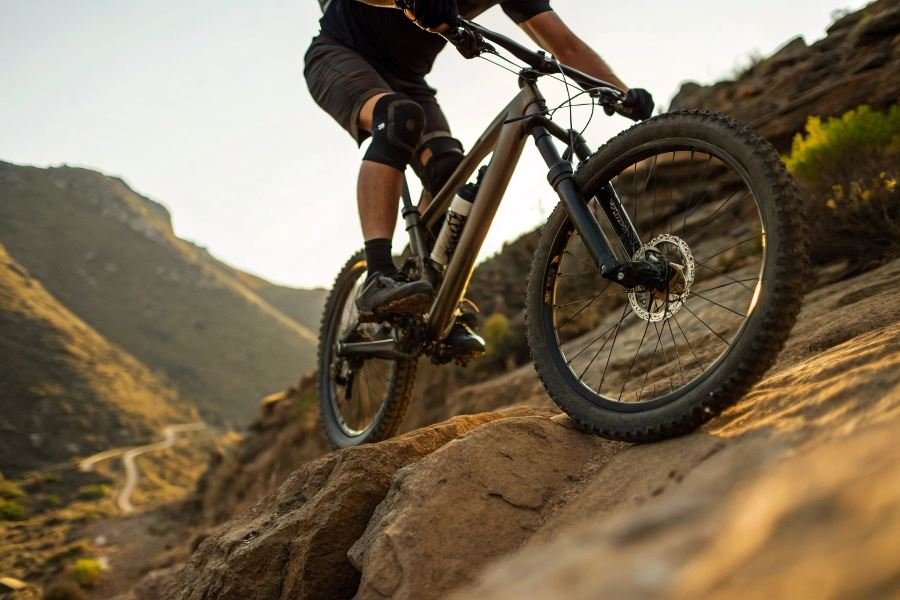
Ever wondered why some cyclists seem to effortlessly glide up mountains while others struggle on flat terrain with the same fitness level? The secret often isn’t in the legs—it’s in what’s attached to the bike frame.
The bicycle component landscape has undergone a remarkable transformation. What was once a market dominated by just two major players has exploded into a dynamic ecosystem where innovation happens at breakneck speed. Today’s high-performance groupsets—the collection of components that make your bike shift, stop, and go—have become technological marvels that can genuinely transform your riding experience.
The component revolution
The difference between good and exceptional cycling performance often comes down to the quality of your drivetrain, brakes, and shifting systems. A premium groupset doesn’t just change gears—it responds to your intentions almost telepathically, delivering power with minimal loss and maximum precision. Elite cyclists know this intuitively: a bike is only as good as its weakest component.
How we separate the champions from the contenders
Evaluating bicycle system brands requires a multifaceted approach. Our assessment combines:
- Real-world performance testing across varied terrain and conditions
- Durability measurements through accelerated wear protocols
- Weight-to-performance ratios that matter for different riding disciplines
- Maintenance requirements and long-term reliability
- Value proposition at different price points
The best systems don’t just perform flawlessly on day one—they maintain that excellence through thousands of miles, multiple seasons, and challenging conditions. This comprehensive evaluation reveals which brands truly deliver when rubber meets road.
Top 3 Bicycle System Brands Dominating the Market
When you’re pushing through that final climb or diving into a technical descent, your bike’s component system isn’t just equipment—it’s your lifeline. The best bicycle system brands on the market have spent decades perfecting the art and science of shifting, braking, and power transfer. Let’s dive into the three titans that continue to define cycling excellence through innovation, performance, and craftsmanship.
Shimano: The Undisputed Component King
Shimano has maintained its throne at the top of component hierarchy for good reason. The Japanese powerhouse controls approximately 70% of the global market, offering integrated systems that work in perfect harmony. Their Di2 electronic shifting platform revolutionized the industry when it launched in 2009, delivering precision that mechanical systems simply couldn’t match.
What truly separates Shimano is their comprehensive ecosystem approach. From entry-level Claris to professional-grade Dura-Ace, each groupset offers consistent performance scaled to price point. Their Shadow Plus rear derailleur technology has virtually eliminated chain slap on mountain bikes, while their Hyperglide+ cassette design enables smooth shifting under load—a game-changer for technical terrain.
| Groupset | Discipline | Price Range | Key Technology |
|---|---|---|---|
| Dura-Ace | Road | $2,000-3,500 | 12-speed Di2 electronic |
| XTR | Mountain | $1,800-3,000 | Micro Spline freehub |
| Ultegra | Road | $1,200-2,000 | Trickle-down Dura-Ace tech |
SRAM: Wireless Wizardry and Innovation
While SRAM entered the component game later than its competitors, the American manufacturer has carved out its niche through bold innovation. SRAM shocked the cycling world in 2015 with the introduction of eTap—the first commercially successful wireless electronic groupset. This wireless approach eliminated complicated internal cable routing and simplified the building process.
SRAM’s 1x (pronounced “one-by”) drivetrain philosophy has transformed mountain biking, gravel, and increasingly road cycling. By eliminating the front derailleur, SRAM created simpler, lighter, and more reliable systems. Their AXS ecosystem now allows unprecedented customization, with mix-and-match compatibility between road and mountain components.
Eagle drivetrains with massive 10-52t cassettes deliver a wider gear range than traditional 2x setups while reducing complexity. For riders who value simplicity without sacrificing performance, SRAM’s approach represents the cutting edge of drivetrain design.
Campagnolo: Italian Artistry in Motion
There’s something undeniably special about Campagnolo components. The Italian manufacturer has been crafting bicycle components since 1933, and their products continue to embody the perfect marriage of engineering and artistry. While Shimano and SRAM focus on technological advancement, Campagnolo balances innovation with a reverence for cycling tradition.
The tactile feel of a Campagnolo shifter is unlike anything else in cycling. Their signature thumb shifter design has evolved but remains distinctively “Campy,” offering a mechanical connection that borders on emotional. Super Record EPS electronic groupsets deliver precision shifting while maintaining the brand’s distinctive ergonomics.
Campagnolo components are manufactured primarily in Italy using premium materials like carbon fiber and titanium. Their Ultra-Torque crankset design splits the axle at the center rather than using a traditional spindle, creating an incredibly stiff and efficient power transfer platform. For cyclists who view their machines as more than just transportation, Campagnolo components transform a bicycle into something approaching art.
Each of these manufacturers brings something unique to cycling, whether it’s Shimano’s reliability, SRAM’s innovation, or Campagnolo’s craftsmanship. The choice ultimately comes down to riding style, budget, and yes—even emotional connection to these legendary brands.
Finding Your Perfect Bicycle System Match
When you’re navigating the complex world of bicycle components, the final decision comes down to your unique riding profile. The difference between a good ride and an exceptional one often hinges on how well your bicycle system aligns with your specific needs.
Value Beyond Price Tags
The true value of bicycle systems extends far beyond their initial cost. While Shimano components typically offer the best balance of performance and affordability, SRAM systems often command premium prices justified by their weight savings and innovative designs.
Consider this value comparison of flagship groupsets:
| Brand | Flagship Groupset | Weight (g) | Price Range ($) | Value Proposition |
|---|---|---|---|---|
| Shimano | Dura-Ace Di2 | 2,438 | 3,200-3,800 | Reliability, precision shifting |
| SRAM | Red eTap AXS | 2,518 | 3,300-4,000 | Wireless innovation, customization |
| Campagnolo | Super Record EPS | 2,505 | 4,000-4,800 | Heritage, craftsmanship, exclusivity |
Mid-tier options often represent the sweet spot for value-conscious riders. Shimano’s Ultegra and SRAM’s Force groupsets deliver 90% of their flagship counterparts’ performance at roughly 70% of the cost.
Matching Systems to Your Riding DNA
Your riding style should be the compass guiding your component selection:
Road racers benefit from the lightning-quick shifts of electronic systems like Shimano Di2 or SRAM eTap. The weight savings and aerodynamic profiles of these premium options translate to measurable performance gains over a race season.
Gravel enthusiasts might gravitate toward SRAM’s wider gear ranges and clutch derailleurs that prevent chain slap on rough terrain. The 1x drivetrain options eliminate front derailleur issues in muddy conditions.
Endurance riders often prioritize the legendary reliability of Shimano’s mechanical groupsets, where field serviceability trumps marginal weight savings.
Mountain bikers face a more nuanced decision matrix, with Microshift and Box Components offering compelling alternatives to the big three, particularly for specific disciplines like downhill or cross-country.
The Long Game in Component Selection
Investing in bicycle systems requires thinking beyond the initial purchase:
The cheapest component is the one you only have to buy once.
Consider these long-term factors:
- Replacement part availability: Shimano’s ubiquity means finding replacement parts is rarely an issue, even for older groupsets.
- Upgrade pathways: SRAM’s modular approach allows for piece-by-piece upgrades rather than complete system overhauls.
- Cross-compatibility: Campagnolo’s strict ecosystem means you’re often locked into their components for future upgrades.
- Service intervals: Electronic systems typically require less frequent adjustment but more specialized service when they do need attention.
The wisest approach is matching your component selection to your actual riding habits rather than aspirational ones. A reliable Shimano 105 groupset that gets regular use delivers more value than a top-tier SRAM Red setup that intimidates you into leaving your bike in the garage.
Your perfect bicycle system isn’t necessarily the most expensive or the lightest—it’s the one that disappears beneath you, becoming an extension of your riding intentions without drawing attention to itself through poor performance or constant maintenance needs.