
Ever slammed your brakes at 30 mph only to skid helplessly toward an intersection? That heart-stopping moment reveals an uncomfortable truth: your braking system might be the only thing standing between you and disaster.
Effective braking isn’t just about stopping power—it’s about control, confidence, and ultimately, freedom on two wheels. Whether you’re descending a mountain pass or navigating busy urban streets, your ability to modulate speed precisely can transform your riding experience from nerve-wracking to exhilarating.
The safety equation: Why braking matters
The physics are simple but sobering: a bicycle traveling at 20 mph covers nearly 30 feet per second. When that unexpected dog darts into your path or a car door swings open, reaction time plus braking distance equals survival margin. Professional cyclists understand this equation intimately—their lives depend on it during technical descents where speeds can exceed 50 mph.
Common braking nightmares cyclists face
Most riders encounter these frustrating issues:
- Squealing brakes that announce your arrival blocks away
- Inconsistent stopping power that changes with weather conditions
- Brake fade during long descents when heat builds up
- Poor modulation making it difficult to control speed precisely
How bicycle type affects your stopping power
“Different bikes demand different braking approaches. What works for a road bike could be dangerous on a mountain bike.”
Your braking efficiency varies dramatically based on your ride:
| Bicycle Type | Braking Challenges | Key Considerations |
|---|---|---|
| Road bikes | High speeds, thin tires | Rim heat dissipation, weight distribution |
| Mountain bikes | Loose surfaces, steep terrain | Disc brake maintenance, lever position |
| Commuter bikes | Unpredictable traffic, all-weather use | All-season reliability, visibility |
Understanding these fundamentals creates the foundation for transforming your stopping power—and potentially saving your life when seconds count.
Essential Maintenance for Powerful Bicycle Braking
When your life depends on stopping power, brake maintenance isn’t just a good idea—it’s essential. Whether you’re bombing down a mountain trail or navigating busy city streets, your braking system needs to be in peak condition. Let’s dive into the maintenance techniques that will transform your stopping power from “maybe” to “absolutely.”
The ability to improve braking efficiency on a bicycle comes down to three critical maintenance areas: pad care, cable management, and surface cleanliness. Mastering these fundamentals will not only enhance your safety but also extend the life of your components—saving you money while potentially saving your skin.
Brake Pad Inspection and Replacement
Your brake pads are the unsung heroes of your stopping system. Inspect them regularly for these telltale signs of wear:
- Wear indicators have disappeared
- Grooves are no longer visible
- Thickness is less than 1mm
- Glazing (shiny surface) has developed
When aligning brake pads, position them to hit the rim squarely—not touching the tire or hanging off the rim edge. For disc brakes, ensure pads are parallel to the rotor with equal spacing on both sides.
Perfect pad alignment means the entire pad surface contacts the braking surface simultaneously, maximizing friction and minimizing noise.
Replacement intervals vary by riding conditions, but don’t wait until metal-on-metal contact occurs. Most quality pads from manufacturers like Shimano or SRAM should be replaced after 1,500-3,000 miles of typical riding.
Cable Tension and Lubrication
Cable tension is the invisible force behind responsive braking. Too loose and you’ll pull levers to the bar; too tight and brakes will drag constantly.
Proper adjustment follows this simple process:
- Loosen the cable pinch bolt
- Pull cable to desired tension (typically 1-2mm lever free play)
- Tighten the pinch bolt to manufacturer specifications
- Test and fine-tune using barrel adjusters
| Cable Type | Lubrication Frequency | Recommended Lubricant |
|---|---|---|
| Standard | Every 3-4 months | Dry PTFE lubricant |
| Sealed | Every 6-8 months | Silicone-based lube |
| Hydraulic | Check fluid annually | DOT fluid or mineral oil |
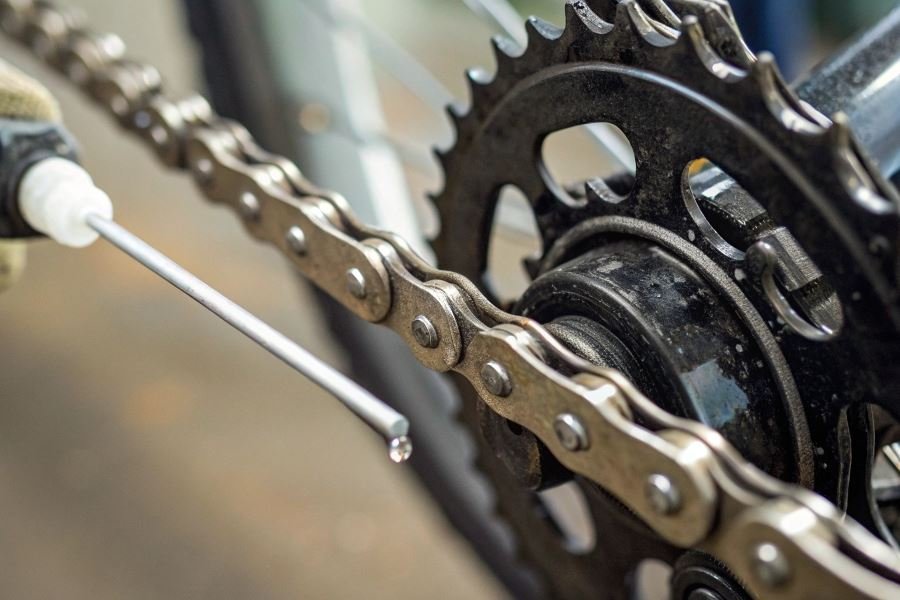
When lubricating cables, apply sparingly to prevent dirt attraction. For housing, use gravity to your advantage—position the bike so lubricant flows through the entire length.
Cleaning Brake Surfaces
Contaminated braking surfaces dramatically reduce stopping power. For rim brakes, clean the braking surface with isopropyl alcohol and a clean cloth to remove rubber deposits, road grime, and oils.
For disc brakes:
- Never touch rotors with bare fingers (oils reduce performance)
- Clean rotors with dedicated brake cleaner from brands like Finish Line or Park Tool
- Sand glazed pads lightly with 80-grit sandpaper on a flat surface
- Bed in new pads properly with 20-30 controlled stops from moderate speed
Hydraulic systems require periodic bleeding to remove air bubbles and old fluid. This maintenance task—typically needed every 6-12 months depending on use—ensures consistent lever feel and maximum stopping power.
By maintaining these three critical areas of your braking system, you’ll experience confidence-inspiring stopping power in all conditions. Your brakes aren’t just components—they’re your safety net when things get sketchy.
Advanced Brake Upgrades That Transform Your Stopping Power
When it comes to cycling safety, nothing matters more than your ability to stop effectively. The difference between average brakes and exceptional ones isn’t just about peace of mind—it’s about unlocking new riding possibilities and conquering challenging terrain with confidence.
Hydraulic vs Mechanical Brakes Face-Off
The debate between hydraulic and mechanical brake systems has raged for years, but the performance gap continues to widen. Hydraulic disc brakes deliver consistently superior modulation and stopping power through their sealed fluid system. Unlike cable-actuated options, hydraulic systems automatically compensate for pad wear and require less finger effort to activate.
Mechanical disc brakes from brands like Avid and TRP offer simplicity and field serviceability—perfect for bikepacking adventures or remote riding where hydraulic systems might be difficult to service. However, they typically require more frequent adjustment and greater hand force.
The difference in stopping power between quality hydraulic brakes and mechanical systems can reduce stopping distance by up to 30% in wet conditions—a margin that could prevent a serious accident.
For riders upgrading from rim brakes, even entry-level hydraulic systems like Shimano MT200 brakes represent a dramatic improvement in all-weather performance and maintenance intervals.
Brake Pads For Every Riding Scenario
Selecting the right brake pads transforms your braking experience across different conditions:
| Pad Material | Best For | Performance Characteristics |
|---|---|---|
| Organic/Resin | Dry conditions, quiet operation | Excellent initial bite, shorter lifespan |
| Sintered/Metallic | Wet conditions, downhill | Superior durability, consistent in all weather |
| Semi-metallic | All-around use | Balance of power and longevity |
| Ceramic | Heat management | Reduced fade on long descents |
Mountain bikers tackling steep, technical descents benefit tremendously from sintered pads by SwissStop or Kool Stop, which maintain consistent performance even when temperatures rise during extended braking periods.
For road cyclists, the lighter weight and more progressive feel of organic compounds often provide better modulation for controlled speed adjustments without locking up.
Strategic Component Upgrades For Maximum Control
Beyond the basics, several targeted upgrades dramatically improve braking performance:
-
Larger rotors increase leverage and heat dissipation. Jumping from 160mm to 180mm or even 203mm rotors can provide up to 20% more stopping power with better heat management.
-
Compressionless housing for mechanical systems eliminates the spongy feel of standard cable housing, delivering more direct power transfer from lever to caliper.
-
Ice-Tech rotors from Shimano use a sandwich construction of steel braking surfaces with an aluminum core to dissipate heat faster, reducing brake fade on long descents.
-
Upgraded brake levers with better ergonomics and mechanical advantage can transform control, especially for riders with smaller hands or those experiencing fatigue on technical trails.
The most cost-effective upgrade path typically starts with quality pads matched to your riding conditions, followed by rotor size increases, and culminates in a full system upgrade if your frame can accommodate it.
By strategically improving your bicycle’s braking system, you’ll gain not just stopping power but also the confidence to push your limits, knowing you can control your speed precisely when it matters most.