
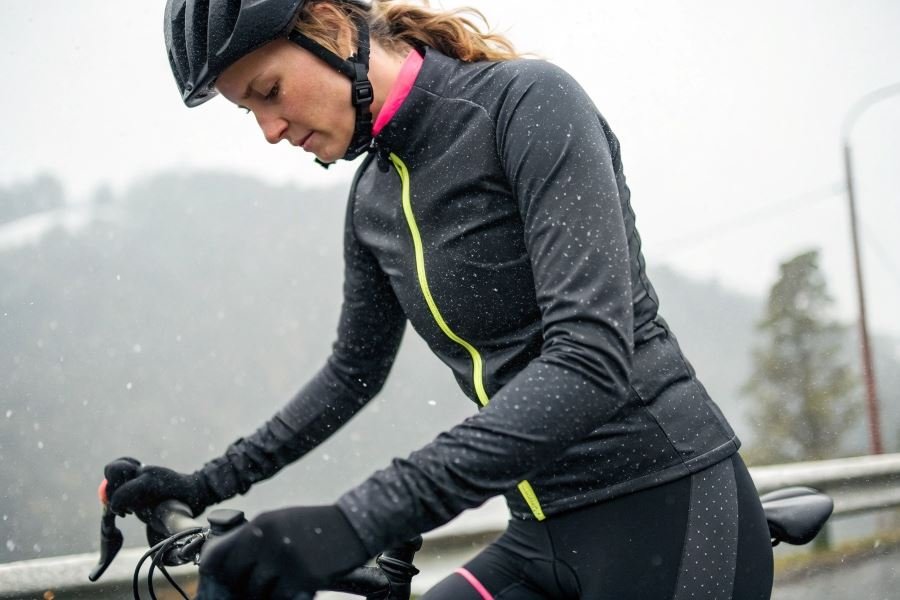
Ever pedaled 30 miles in shorts that bunch up, jerseys that flap like sails, or bibs that chafe in places you’d rather not discuss? That’s not just discomfort—it’s performance robbery. The difference between an epic ride and a miserable one often comes down to something surprisingly simple: properly fitted cycling apparel.
When cycling clothing fits correctly, it becomes an extension of your body. The right size transforms how you experience every mile, eliminating distractions and enhancing aerodynamics. Elite cyclists have known this secret for decades—their skintight kits aren’t just for show. Studies show that loose-fitting jerseys can increase drag by up to 8%, potentially adding minutes to your ride time over longer distances.
The sizing puzzle that frustrates even veteran riders
Finding your perfect fit isn’t straightforward. Unlike casual clothing where “medium” means roughly the same thing across brands, cycling apparel exists in its own dimensional universe. An Italian medium might fit like an American small, while some British brands run larger than their European counterparts.
“The most common mistake cyclists make is applying their regular clothing size expectations to technical cycling gear.” — Professional bike fitter
Adding to the confusion, manufacturers use different measurement systems. Some prioritize height and weight, others chest and waist measurements, and still others use proprietary sizing charts that seem designed by cryptographers. Rapha, Castelli, and Pearl Izumi—three leading brands—can each fit dramatically differently despite showing identical measurements on paper.
The solution isn’t just knowing your measurements, but understanding how cycling clothing should actually feel when it’s right. The perfect cycling kit should feel snug without restriction, supportive without compression, and comfortable in riding position—not standing straight.
Essential Measurements for Perfect Cycling Fit
Finding cycling clothing that fits like a second skin isn’t just about comfort—it’s about performance. When your kit fits properly, you’ll ride longer, faster, and with greater enjoyment. Let’s dive into the measurements that matter most and how to nail your perfect size every time.
Key Body Measurements That Make or Break Your Fit
The journey to selecting the right cycling apparel begins with understanding which body measurements truly matter. How to choose the right size of cycling clothing depends primarily on five critical measurements that manufacturers use to design their garments:
- Chest/Bust: Measured at the fullest point
- Waist: Taken at your natural waistline
- Hips: Measured around the widest part
- Inseam: The length from crotch to ankle
- Torso Length: Critical for bib shorts and jerseys
Unlike casual clothing, cycling gear requires precision. A jersey that’s too loose creates drag; shorts that are too tight restrict movement and blood flow. The difference between “good enough” and “perfect” fit can mean adding miles to your ride or shaving minutes off your time.
Measuring Like a Pro at Home
Taking accurate measurements doesn’t require professional equipment—just attention to detail:
- Use a soft measuring tape – not a construction tape measure
- Measure against skin or thin, form-fitting clothes
- Stand naturally – no slouching or sucking in
- Get help for hard-to-reach measurements
For the most accurate chest measurement, wrap the tape around the fullest part of your chest, keeping it parallel to the floor. For waist measurements, find your natural waistline—typically above your belly button and below your rib cage.
Pro tip: Take measurements in the morning before eating for consistency.
Here’s a quick reference for proper measuring technique:
| Measurement | How to Measure | Common Mistakes |
|---|---|---|
| Chest/Bust | Around fullest part, tape parallel to floor | Measuring too high or low |
| Waist | At natural waistline, relaxed breathing | Sucking in or pushing out |
| Hips | Widest point around buttocks | Measuring too high |
| Inseam | Crotch to ankle bone | Measuring with bent leg |
| Torso | Base of neck to natural waistline | Not keeping spine straight |
Decoding Size Charts Like an Expert
Size charts can seem like cryptic puzzles, but they’re actually your best friends. Each brand of cycling apparel—whether it’s Rapha, Pearl Izumi, or Castelli—has its own sizing philosophy.
European vs. American sizing: European brands typically run smaller. An American medium might be a European large or even XL.
Race Cut vs. Club Cut: Race cut garments are designed for an aggressive riding position with minimal fabric. Club cut offers a more relaxed fit for recreational riders.
When comparing your measurements to size charts:
- Prioritize the most critical measurement for each garment (chest for jerseys, waist/hips for shorts)
- Check for stretch percentage in fabric descriptions
- Read user reviews for real-world sizing feedback
- Consider your riding position – more aggressive positions may require different sizing
Remember: It’s better to size up if you’re between sizes for most cycling gear, especially compression wear.
The perfect fit transforms your riding experience—it’s worth the extra time to measure twice and order once.
Dialing In Your Perfect Cycling Kit Fit
Material Stretch and Compression Dynamics
Cycling clothing isn’t like your everyday wardrobe. The technical fabrics used by brands like Rapha and Castelli are engineered with specific stretch and compression properties that dramatically affect fit.
Most performance cycling garments incorporate elastane (spandex) in varying percentages. A jersey with 10% elastane behaves very differently from one with 20%. Higher elastane content means more stretch and potentially allows you to size down for an aerodynamic advantage without sacrificing comfort.
Compression fabrics in bib shorts deserve special attention. These materials are designed to support muscles and improve blood flow, but they should compress without constricting. When trying on bib shorts, perform a simple test:
If you feel significant pressure at the leg bands or waist but the chamois shifts around, you’ve got the wrong size. The perfect compression feels supportive everywhere without creating “pressure points.”
Remember that many cycling garments are designed to fit optimally in riding position—not standing upright. That slight discomfort when standing straight might disappear completely once you’re hunched over the handlebars.
Seasonal Size Adjustments
Your summer and winter cycling wardrobes should reflect more than just temperature differences—they often require different sizing approaches.
| Season | Typical Layering | Sizing Consideration |
|---|---|---|
| Summer | Single layer | True to size or slightly tighter |
| Spring/Fall | Base layer + jersey | Consider sizing up in outer layer |
| Winter | Multiple technical layers | Size up outer layers by 1-2 sizes |
Winter cycling jackets from Gore Wear or Assos are designed with layering in mind, but don’t make the rookie mistake of buying everything oversized. Your base layers should remain form-fitting to manage moisture effectively, while mid and outer layers gradually increase in size.
Summer-specific jerseys often feature more aggressive race cuts, while shoulder-season pieces typically allow more room for layering. This isn’t universal across brands, so always check the manufacturer’s specific recommendations for seasonal sizing.
Riding Style and Personal Preference Adjustments
Your riding style should directly influence your sizing decisions. Here’s when to strategically size up or down:
When to Size Down:
- You’re focused on aerodynamics and racing performance
- You prefer a “second skin” sensation while riding
- You have a very aggressive riding position
- The manufacturer explicitly states their garments run large
When to Size Up:
- You prioritize comfort over marginal aero gains
- You have a more upright, endurance-oriented position
- You’re between sizes on the measurement chart
- You experience any numbness or restriction during test rides
The Specialized SL Air jersey fits dramatically different from a relaxed Pearl Izumi touring jersey. Neither is “wrong”—they’re designed for different riding experiences.
Listen to your body during test rides. Even perfectly sized cycling clothing will reveal its true comfort only after 30+ minutes in riding position. That slight collar irritation or chamois misalignment becomes magnified over a century ride.
Remember that cycling clothing should feel slightly restrictive when you’re standing in the changing room—but never uncomfortable. The perfect fit disappears from your awareness minutes into your ride, letting you focus on what matters: the road ahead.