
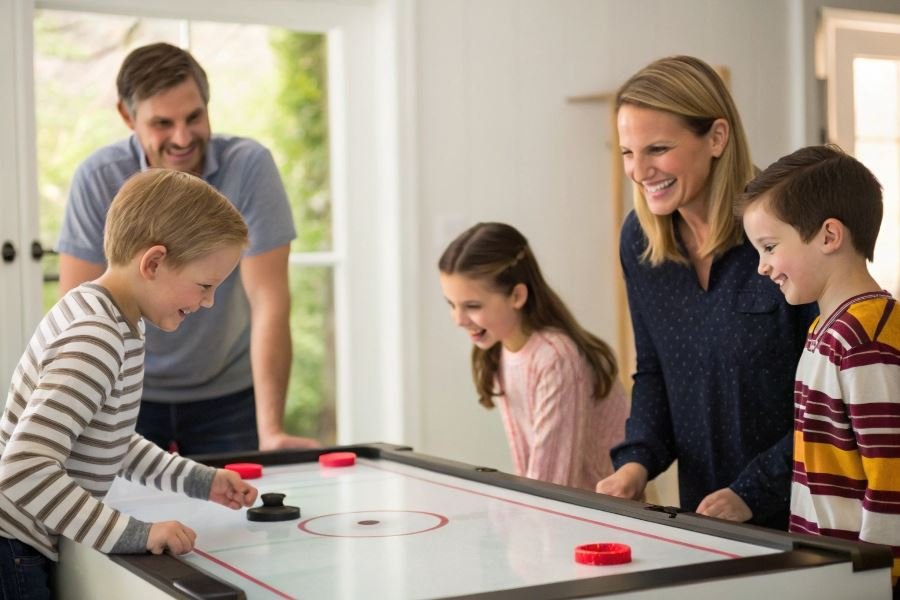
Ever watched your child bounce off the walls with endless energy? Imagine channeling that enthusiasm into strength, coordination, and confidence—right in their bedroom! Home sports complexes aren’t just fun additions to children’s rooms; they’re investments in their physical and mental development that pay dividends for years.
When my neighbor installed a compact climbing wall for his 7-year-old daughter, something magical happened. Not only did her screen time naturally decrease, but her confidence skyrocketed as she mastered new challenges daily. That’s the beauty of bringing athletic equipment into your child’s personal space—it transforms everyday moments into opportunities for growth.
Physical development beyond the playground
A well-designed home sports complex works multiple muscle groups simultaneously, improving:
- Core strength essential for proper posture and spinal health
- Balance and coordination that transfers to all physical activities
- Grip strength that supports fine motor skills for writing and crafting
Children who have access to regular physical activity show improved concentration in school and better sleep patterns—benefits every parent appreciates!
Safety first: The non-negotiable foundation
Before drilling that first hole, consider these critical safety factors:
“The best sports complex is one that challenges your child without endangering them.”
Ensure your installation area has:
- Adequate ceiling height (minimum 7.5 feet for most systems)
- Proper floor padding with shock-absorbing properties
- Structural support in walls for mounting equipment
Finding your perfect match
Today’s indoor sports complexes come in surprising varieties:
- Wall-mounted systems – Perfect for smaller spaces, these attach securely to wall studs
- Freestanding complexes – Ideal for renters or frequent room rearrangement
- Modular setups – Start small and expand as your child grows and develops new interests
The Swedish-style wooden climbing triangle has become particularly popular for younger children, while adjustable-height systems accommodate growing athletes through their teenage years.
Transform Your Child’s Room Into a Fitness Playground
Before diving into creating a home sports complex for your child, proper planning and careful installation are essential for both safety and functionality. This guide will help you transform any bedroom into an active play space that promotes strength, coordination, and confidence.
Planning and Preparation
Before purchasing any equipment, become a space detective in your child’s room:
- Measure available area (minimum 4×6 feet floor space)
- Verify ceiling height (at least 6 feet required)
- Allow for 2-foot safety clearance on all sides
- Document windows, doors, outlets, and architectural features
- Use painter’s tape to mark the equipment footprint on floor and ceiling
Essential Tools and Materials:
- Stud finder ($25-45) – For locating wall supports
- Power drill ($60-120) – For creating anchor holes
- 24-inch level ($15-30) – For ensuring straight installation
- Socket wrench set ($30-60) – For securing bolts
- Safety glasses ($10-20) – For protection during drilling
Don’t compromise on mounting hardware. Standard drywall anchors won’t suffice for dynamic weight. Invest in:
- Heavy-duty lag bolts (minimum 3/8-inch diameter)
- Toggle bolts for hollow walls
- Concrete anchors for masonry surfaces
- Reinforcement plates for additional support
Installation Process
1. Find Solid Anchor Points
- Use a stud finder to locate wall studs (typically at 16 or 24-inch intervals)
- For ceiling mounts, identify joists running perpendicular to the roof ridge
- Mark each support center clearly
- For concrete surfaces, prepare specialized masonry bits and anchors
2. Mount the Framework
- Position the main support bracket at recommended height (typically 7-8 feet)
- Ensure perfect horizontal alignment with your level
- Mark drill points through bracket holes onto the studs
- Pre-drill holes slightly smaller than your lag bolts
- Secure the bracket with lag bolts, tightening gradually in a diagonal pattern
- Perform a static load test by briefly hanging from it (adult weight)
3. Assemble Components
- Follow manufacturer’s instructions for connecting bars, rings, and other elements
- Hand-tighten all connections first before final adjustments
- Secure with wrenches after alignment is confirmed
- Quality brands like Gorilla Gym or DreamGYM offer modular designs for customization
4. Test for Stability
- Apply gradual pressure to each component
- Test dynamic movement with gentle swinging
- Check all connection points for any signs of loosening
- Verify floor clearances meet safety standards
- Document maximum weight ratings near the equipment
- Establish clear usage rules with your children
With proper installation, your home sports complex will provide years of active play while supporting your child’s physical development in the comfort of their own room.
Keeping Your Home Sports Complex in Prime Condition
Safety First: Your Maintenance Gameplan
Let’s face it—that awesome sports complex you’ve installed in your child’s room isn’t maintenance-free. Just like pro athletes need regular check-ups, your home gym equipment demands attention. Establish a bi-weekly safety inspection routine that becomes second nature. Check all bolts, screws, and connection points with the same dedication you’d check your fantasy sports lineup.
Critical inspection points include:
- Weight-bearing components (look for hairline cracks)
- Rope and strap integrity (fraying is your enemy)
- Wall and ceiling anchor points (wobbling means trouble)
- Mat conditions (tears can cause trips and falls)
Create a maintenance calendar that reminds you to tighten, clean, and inspect. Many parents find that Sunday evenings work perfectly—equipment gets a thorough once-over after a weekend of active play.
The difference between a safe sports complex and a risky one isn’t the equipment—it’s the maintenance schedule you keep.
For climbing elements, apply chalk regularly to maintain grip quality. For metal components, a light coating of food-grade silicone lubricant on moving parts prevents that annoying squeaking while ensuring smooth operation.
Growing With Your Athlete
Children grow—sometimes seemingly overnight! Your sports complex should evolve alongside them. The TRX Training suspension system exemplifies adaptability, allowing height adjustments as your child grows taller and stronger.
Consider this age-progression strategy:
| Age Range | Recommended Modifications | Focus Areas |
|---|---|---|
| 3-5 years | Lower climbing heights, thicker mats, larger handholds | Gross motor development |
| 6-8 years | Intermediate heights, varied climbing paths | Coordination and strength |
| 9-12 years | Full height utilization, challenging elements | Skill development |
| 13+ years | Adult-level components, increased weight capacity | Athletic training |
When your 7-year-old gymnast becomes a 13-year-old basketball enthusiast, you’ll need to adjust. Replace smaller climbing holds with larger grips from companies like Metolius Climbing. Raise horizontal bars to accommodate growing heights. The beauty of a well-designed home sports complex is its adaptability.
Supercharging Your Setup
The core sports complex is just the beginning. Strategic additions can transform a good setup into an exceptional training center. Consider these game-changing additions:
Balance enhancers: Add a BOSU Balance Trainer beneath climbing elements to create instability training that develops core strength and proprioception.
Resistance elements: Integrate resistance bands at various anchor points. These lightweight additions create entirely new exercise possibilities without consuming precious space.
Tracking technology: Mount a tablet holder to incorporate fitness apps or training videos. Many parents report that adding Strava or similar tracking apps dramatically increases children’s engagement with their home gym.
Recovery station: Designate a corner with foam rollers and stretching guides. Teaching recovery principles early creates lifelong healthy habits.
The most successful home sports complexes evolve constantly. Listen to your child’s changing interests and adapt accordingly. That climbing wall might transform into a basketball rebounding station, or that swing area might become perfect for resistance band training.
Remember—maintenance isn’t just about safety; it’s about optimization. Each adjustment creates new possibilities for development, ensuring your investment continues delivering results for years to come.