
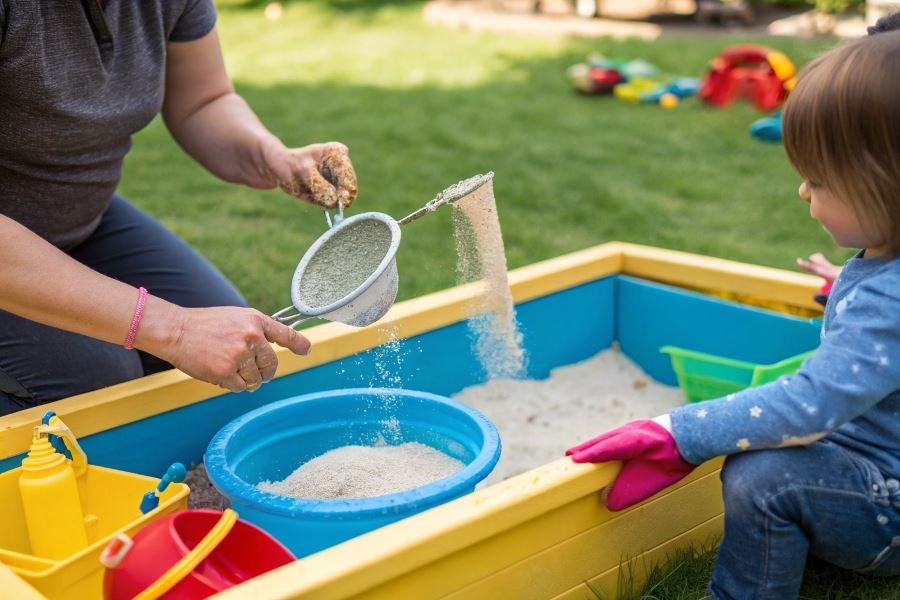
Remember the pure joy of digging your toes into cool sand on a summer day? That simple pleasure remains one of childhood’s most magical experiences—and you can bring it right to your summer retreat.
When children sink their hands into sand, they’re not just playing—they’re developing crucial motor skills, spatial awareness, and creative thinking. Research from the American Academy of Pediatrics shows that unstructured outdoor play significantly boosts cognitive development and problem-solving abilities in ways that digital alternatives simply cannot match.
A well-chosen sandbox transforms your summer property into a creativity hub where imaginary worlds take shape. Kids naturally engage in cooperative play, negotiating space and sharing tools while building everything from simple castles to elaborate sand cities. These interactions develop social skills that serve them throughout life.
Beyond the developmental benefits, sandboxes offer practical advantages for parents. They create a defined play area that keeps children happily engaged within sight while adults tackle nearby projects or simply relax with a well-deserved beverage.
When selecting the perfect sandbox, consider three critical factors:
- Construction quality – Look for weather-resistant materials that withstand seasonal changes
- Safety features like rounded edges and splinter-free surfaces
-
Size and placement that complement your outdoor space while maximizing play potential
The right sandbox isn’t just a purchase—it’s an investment in countless hours of screen-free entertainment and development that will create summer memories lasting far longer than any digital distraction.
Essential Factors for Choosing the Perfect Sandbox
Finding the ideal children’s sandbox for your summer house involves more than just picking the first colorful box you see. The right sandbox becomes a magical play zone where kids develop motor skills, creativity, and social abilities through sensory play. When evaluating how to choose a children’s sandbox for a summer house, several critical factors deserve your attention to ensure years of safe, low-maintenance enjoyment.
Size Matters: Matching Space to Play Needs
The sandbox dimensions should align with both your available yard space and the number of children who’ll be playing simultaneously. For a single child, a 3×3 foot sandbox provides adequate play space, while multiple children require at least 4×4 feet to avoid territorial disputes.
Yard assessment tip: Measure your intended location and add a 3-foot buffer zone around all sides for comfortable access and maintenance.
For families hosting playdates or with multiple children, consider these size guidelines:
| Number of Children | Minimum Sandbox Size | Ideal Buffer Zone |
|---|---|---|
| 1-2 children | 4×4 feet | 3 feet all sides |
| 3-4 children | 5×5 feet | 4 feet all sides |
| 5+ children | 6×6 feet or larger | 5 feet all sides |
Remember that larger sandboxes require more sand—approximately 9.4 cubic feet for a 4×4 foot sandbox with 7-inch depth.
Material Showdown: Durability Meets Design
The material of your sandbox dramatically affects its longevity, maintenance requirements, and safety profile.
Wood sandboxes offer natural aesthetics that blend beautifully with garden environments. Cedar and redwood contain natural oils that resist rot and insects, while pressure-treated pine provides affordability with decent durability. However, wooden options require annual sealing and can splinter if not maintained.
Plastic sandboxes from manufacturers like Little Tikes deliver vibrant colors, molded seats, and zero splinter risk. They’re lightweight, affordable, and often feature built-in covers. The downside? UV degradation can cause fading and brittleness after 3-5 years of sun exposure.
Composite materials combine wood fibers with recycled plastic for exceptional durability without maintenance. These premium options resist warping, cracking, and fading but come with a higher price tag—typically $150-300 compared to $50-100 for basic plastic models.
Safety Features That Can’t Be Compromised
Safety should never be an afterthought when selecting a sandbox for young explorers.
Key safety features include:
- Rounded corners and edges to prevent injuries during enthusiastic play
- Splinter-free surfaces (crucial for wooden options)
- Non-toxic materials certified by ASTM or similar standards
- Proper drainage to prevent standing water that breeds bacteria
- Secure, child-friendly covers to keep out animals and debris
Pro tip: Look for sandboxes with built-in seating areas that double as cover supports when closed, providing both comfort during play and protection when not in use.
Weather Warriors: Maintenance Considerations
Your sandbox will face rain, sun, wind, and possibly snow, making weather resistance a critical factor.
Plastic sandboxes require minimal maintenance—just occasional rinsing and sand replacement every 1-2 years. Wood demands more attention with annual sealing and checking for splintering or rot. Composite materials split the difference with moderate maintenance needs but superior longevity.
For all types, a quality cover transforms maintenance from weekly to seasonal. Invest in a sandbox with a tight-fitting cover or purchase a custom tarp that extends 8-12 inches beyond the sandbox edges for optimal protection.
The perfect sandbox balances size, material quality, safety features, and maintenance requirements to create a play space that delights children while giving parents peace of mind for seasons to come.
Making the Final Decision on Your Child’s Sandbox
Finding the perfect sandbox for your summer house isn’t just about digging through options—it’s about creating a space where memories will be built, one grain of sand at a time. Let’s break down the final considerations that will help you make a decision you won’t regret when those summer days arrive.
Balancing budget with lasting value
The sandbox market spans from basic $30 plastic models to premium wooden designs exceeding $300. But price tags don’t tell the whole story. When evaluating value:
- Material longevity matters more than initial cost. Cedar sandboxes from brands like KidKraft might cost 3-4 times more than plastic alternatives, but often last 8-10 years versus 2-3 for budget options.
- Consider the cost-per-play ratio. A quality sandbox that withstands multiple summers provides better value than replacing cheaper models annually.
A smart approach: allocate 60% of your budget to the sandbox itself and reserve 40% for quality sand and accessories. Premium play sand costs approximately $5-8 per 50lb bag, with most sandboxes requiring 300-600lbs depending on size.
Installation complexity and site preparation
Your enthusiasm for a beautiful sandbox might fade when facing complicated assembly instructions. Consider these practical aspects:
| Sandbox Type | Average Assembly Time | Tools Required | Site Preparation |
|---|---|---|---|
| Plastic Molded | 15-30 minutes | None/minimal | Level ground only |
| Wooden Kit | 2-3 hours | Basic tools | Level ground, possible anchoring |
| Custom Built | 4-8 hours | Power tools | Excavation, drainage layer |
The most overlooked aspect of installation is proper drainage. Without it, your sandbox becomes a muddy mess after rain. Premium options like the Gorilla Playsets sandbox line include built-in drainage systems worth the extra investment.
Features that transform good into great
The difference between a sandbox that sits unused and one that becomes the summer hotspot often comes down to thoughtful extras:
Cover systems aren’t just accessories—they’re necessities. They prevent:
- Neighborhood cats from using your sandbox as a litter box
- Rainwater from creating soggy sand conditions
- Debris contamination that can harbor bacteria
Seating options dramatically increase play duration. Children typically play 37% longer in sandboxes with comfortable seating compared to those without. The Step2 Naturally Playful series offers integrated corner seating that doubles as storage—brilliant design that serves multiple purposes.
Shade solutions extend usable hours and protect sensitive skin. Consider:
- Adjustable canopies that follow the sun’s movement
- Removable umbrellas for flexibility
- Permanent pergola-style covers for maximum protection
The most versatile setups allow for shade adjustment throughout the day, accommodating both morning and afternoon play sessions.
Remember that the best sandbox isn’t necessarily the most expensive or feature-packed—it’s the one that fits your specific space, meets your child’s needs, and creates a play environment that will be enjoyed for years to come. The right choice balances practical considerations with the simple joy that comes from digging, building, and creating in the sand.