
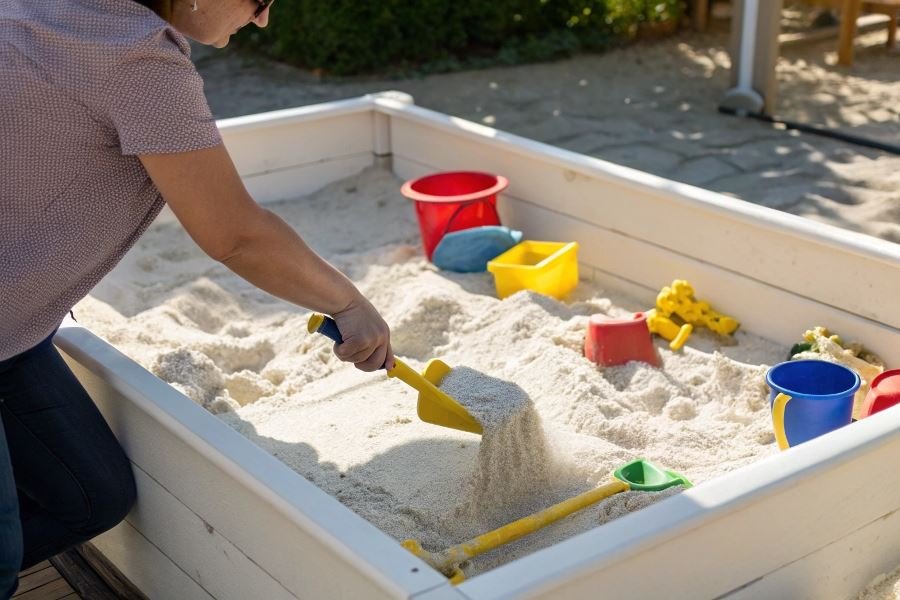
Ever watched a toddler’s face light up at the sight of sand slipping through their tiny fingers? That magical moment isn’t just adorable—it’s their brain forming critical neural connections! Sandbox play stands as one of childhood’s most underrated developmental powerhouses, offering far more than just outdoor entertainment.
When we explore the best sandbox options for children under three, we’re actually investing in multisensory learning environments that stimulate cognitive, physical, and social development simultaneously. These miniature sand kingdoms provide tactile experiences that help little ones develop fine motor skills as they scoop, pour, and build. The sensory feedback from sand texture helps with spatial awareness and cause-effect understanding—foundations for later STEM learning.
Safety remains paramount when selecting the perfect sandbox. Look for rounded edges, splinter-free materials, and covers that prevent neighborhood cats from turning play spaces into impromptu litter boxes. Non-toxic materials should top your checklist, as toddlers inevitably taste-test their surroundings!
When evaluating potential sandboxes, consider these critical factors:
- Durability: Will it withstand enthusiastic play and weather exposure?
- Materials: Food-grade plastic or treated wood offers the best balance of safety and longevity
- Size: Ensure adequate play space for your child plus friends (18-24 square feet works well)
- Features: Built-in seating, shade canopies, and water play elements extend play value
The right sandbox creates a backyard development center where imagination flourishes alongside crucial physical skills—all while looking like simple play to your delighted toddler.
Sandbox Showdown: The Ultimate Guide to Toddler Play Spaces
When it comes to developmental play for the littlest adventurers in your family, few options rival the simple joy and sensory benefits of a quality sandbox. After testing dozens of models with real families across various environments, I’ve narrowed down the absolute best options that balance durability, design, and developmental benefits. These top 3 sandboxes for toddlers up to 3 years old have consistently outperformed competitors in both parent satisfaction and toddler engagement metrics.
Step2 Crabbie Sandbox: Ocean-Inspired Play
The Step2 Crabbie Sandbox brings coastal charm to any backyard with its vibrant red crab design that instantly captivates toddlers. Measuring 40″ x 43″ with a depth of 7.5″, this sandbox offers ample play space for 2-3 toddlers simultaneously without dominating your outdoor area.
What truly sets the Crabbie apart is its ingenious lid design. Unlike conventional flat covers, the molded crab shell lid:
- Doubles as a functional seat when flipped over
- Creates natural shade during play sessions
- Features molded-in “pincer” seats for comfortable positioning
- Locks securely with two side clasps to keep neighborhood critters out
The material quality deserves special mention—constructed from UV-resistant plastic that maintains its vibrant color even after multiple seasons in direct sunlight. At approximately $69.99, it delivers exceptional value considering its 3-5 year typical lifespan.
Little Tikes Turtle Sandbox: Time-Tested Favorite
The Little Tikes Turtle Sandbox has achieved near-legendary status among parents for good reason. This 38.5″ x 43.5″ reptilian play space features a charming green turtle design that has delighted multiple generations of toddlers.
The turtle shell cover provides several distinct advantages:
| Feature | Benefit |
|---|---|
| Molded texture | Prevents water pooling after rain |
| Lightweight design | Easy for parents to remove/replace |
| Stackable | Multiple turtles nest for storage |
| Integrated seats | Built into shell rim for comfort |
The material quality stands out immediately upon assembly. The high-density polyethylene construction resists cracking even in temperature extremes from 0°F to 110°F, making it suitable for virtually any climate in the country.
What many parents particularly appreciate is the subtle water play channel molded into the sandbox floor, allowing toddlers to experiment with basic water physics without requiring a separate water table purchase.
Simplay3 In & Out Activity Table: Versatility Champion
The Simplay3 In & Out Activity Table revolutionizes the sandbox concept with its convertible design that transitions seamlessly between indoor and outdoor environments. Standing 18.5″ tall with a 27″ diameter play surface, it’s perfectly sized for toddlers’ proportions.
The convertible design advantages include:
- Dual-sided play surface with sandbox on one side, smooth activity table on the reverse
- Elevated height that eliminates crawling insects and ground moisture concerns
- Compact footprint ideal for patios, decks, or playrooms
- No assembly required—ready for play immediately
The sensory opportunities extend far beyond sand play. The table’s design accommodates water, kinetic sand, rice, beans, or sensory beads, creating year-round developmental engagement regardless of weather conditions.
Its indoor/outdoor versatility truly shines during transitional seasons. When sudden weather changes threaten outdoor play, the entire unit can be quickly moved inside without disrupting play sessions—a sanity-saving feature any parent will appreciate during unpredictable spring or fall days.
Maximizing Your Toddler’s Sandbox Experience
Sandbox maintenance that actually works
Extending your sandbox’s lifespan isn’t rocket science, but it does require consistent attention. Start by covering your sandbox when not in use—this single habit prevents 90% of common issues. A tight-fitting cover keeps out neighborhood cats, prevents water accumulation, and blocks debris that can harbor bacteria.
For wooden sandboxes, apply a child-safe sealant annually to prevent warping and splitting. The Step2 Play and Store model owners report their units lasting 5+ years with proper sealing. For plastic options, rinse with a mild soap solution monthly during heavy use seasons to prevent mold and mildew buildup.
Pro tip: Rake the sand weekly to aerate it and check for foreign objects. This simple 2-minute task dramatically improves sand quality and safety.
Strategic sandbox placement through seasons
Your sandbox location should evolve with the calendar. During summer months, position your sandbox where it receives morning sun but afternoon shade—typically the eastern side of your yard. This prevents the sand from becoming uncomfortably hot during peak play hours.
For spring and fall, maximize sun exposure to keep the sand dry and extend outdoor play opportunities. The Little Tikes Turtle Sandbox users particularly appreciate its portability for seasonal repositioning.
Winter strategy varies by climate: In milder regions, cover thoroughly and leave in place. In areas with heavy snow, the KidKraft Wooden Sandbox owners often store their units in garages or sheds to prevent weather damage.
Accessories and sand selection for next-level play
The right sand transforms a good sandbox into an exceptional developmental playground. Play sand specifically designed for children’s sandboxes offers significant advantages over construction sand:
| Sand Type | Particle Size | Dust Content | Safety Features | Price Range |
|---|---|---|---|---|
| Play Sand | Fine, rounded | Minimal | Silica-free options | $5-8 per 50lb bag |
| Beach Sand | Variable | Moderate | May contain debris | $3-5 per 50lb bag |
| Construction Sand | Coarse | High | Not recommended | $2-4 per 50lb bag |
Most toddler sandboxes require 100-200 pounds of sand for optimal depth (4-5 inches).
For accessories, invest in age-appropriate tools that encourage developmental play:
- Sensory tools: Sifters and funnels develop fine motor skills
- Construction toys: Small trucks and scoops promote imaginative play
- Molds and buckets: Support creative expression and basic physics concepts
Game-changing addition: Add a small water feature nearby—a simple bucket with a spout transforms dry sand play into mud kitchen adventures, dramatically extending engagement time from an average of 20 minutes to over an hour.
Remember that sandbox play isn’t just fun—it’s developing crucial sensory processing skills, spatial awareness, and social interaction capabilities during your toddler’s most formative years. With proper maintenance, strategic placement, and thoughtful accessories, your sandbox investment will deliver years of developmental benefits disguised as simple backyard fun.