
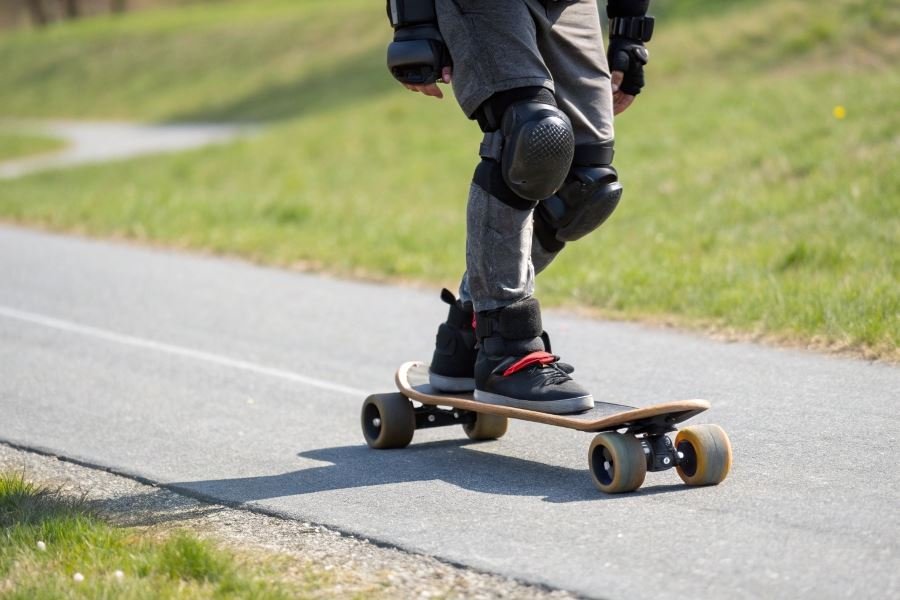
The moment she lands her first ollie successfully—that look of pure joy and accomplishment—it all starts with the right board beneath her feet.
Choosing a skateboard for a girl isn’t just about picking something with a cool design (though that matters too!). It’s about finding the perfect match that will support her growth, keep her safe, and fuel her passion for the sport. Whether she’s a complete beginner eyeing the skatepark with curiosity or already comfortable cruising the neighborhood, the right skateboard becomes an extension of herself.
The board you select today shapes her skateboarding journey tomorrow. Too often, girls abandon skateboarding not because they lack interest or ability, but because they’re struggling with equipment that works against them rather than with them. Deck width, wheel hardness, truck responsiveness—these aren’t just technical details; they’re the difference between frustration and flow.
In this guide, we’ll break down the essential factors that matter most when selecting a girl’s skateboard:
- How her age, height, and shoe size influence the ideal deck dimensions
- Why purpose matters (street skating vs. cruising vs. park riding)
- The components that affect stability, control, and progression
- Common mistakes that sabotage confidence and skill development
By the time you finish reading, you’ll have the knowledge to make a choice that sets her up for success from the very first push. Let’s roll into the details that make all the difference.
Essential Factors for Selecting the Perfect Girl’s Skateboard
Choosing the right skateboard for a girl isn’t just about picking the prettiest design—it’s about finding equipment that matches her unique needs, physical attributes, and skating goals. When parents and young female skaters approach how to choose a skateboard for a girl, they should consider several critical factors that will significantly impact performance, safety, and enjoyment on four wheels.
Age and Skill Level: The Foundation of Your Choice
A 7-year-old beginner needs something dramatically different from a 16-year-old with three years of experience. For younger girls (ages 5-8), consider a board between 7.0-7.5 inches wide with softer wheels for stability. Intermediate skaters (ages 9-13) typically benefit from 7.5-7.75 inch decks that balance maneuverability and stability.
Advanced teen skaters might prefer standard adult sizes (7.75-8.25 inches) that allow for technical tricks and park riding. Remember: skill level often trumps age—an athletic 10-year-old with natural balance might quickly outgrow a beginner board.
Deck Dimensions: Width, Length, and Concave
The deck’s width is arguably the most crucial measurement:
| Rider Age/Size | Recommended Deck Width | Best For |
|---|---|---|
| 5-8 years | 7.0-7.5 inches | Basic riding, learning balance |
| 9-13 years | 7.5-7.75 inches | Learning tricks, skateparks |
| 14+ years | 7.75-8.25 inches | All-around skating, technical tricks |
Deck length typically ranges from 28-32 inches, with shorter boards offering better maneuverability for technical tricks and longer boards providing more stability for cruising. Concave (the curve from edge to edge) affects foot control—deeper concaves offer better grip for tricks but can be challenging for beginners.
Wheels: Finding the Perfect Balance
Wheel hardness (measured on the durometer A scale) dramatically affects ride quality:
- Softer wheels (78A-87A) provide better grip, shock absorption, and smoother rides over rough surfaces—ideal for beginners and street cruising
- Medium wheels (88A-95A) offer a versatile middle ground
- Harder wheels (96A-101A) deliver maximum speed and slide capability for technical tricks and skatepark riding
Size matters too! Smaller wheels (50-53mm) accelerate quickly and excel for technical street skating, while larger wheels (54-60mm) maintain speed better and handle rough terrain more effectively.
Truck Selection: The Unsung Heroes
Trucks should match your deck width for optimal performance. The general rule: truck axle width should be within 1/4 inch of your deck width. For girls who are still growing, consider trucks with adjustable kingpins that allow customization of turning responsiveness.
Stability features worth considering include:
- Bushings appropriate for the rider’s weight (softer for lighter skaters)
- Riser pads to prevent wheel bite for younger skaters learning to turn
- High-quality Independent Trucks or Thunder Trucks that will grow with her skills
Weight and Portability: Practical Considerations
For younger girls or those with less upper body strength, board weight becomes crucial. Complete setups typically weigh 4.5-7 pounds, with factors like deck material making significant differences. Traditional 7-ply maple decks offer durability but weigh more than bamboo or carbon fiber alternatives.
Consider where and how she’ll transport her board. If she’ll be carrying it between classes or on public transportation, lightweight components and a dedicated Penny Skateboards backpack with board straps might be worth the investment.
Remember that the perfect skateboard balances performance needs with practical considerations, creating a setup that she’ll be excited to ride every day!
Ride Your Way: Top Skateboard Types for Girls
Finding the perfect skateboard isn’t just about picking a cool design—it’s about matching the board to your riding style and goals. Let’s dive into the three main types of skateboards that will help you crush it whether you’re just starting out or ready to level up your skills.
Complete Skateboards for Beginners
When you’re first stepping onto a board, a complete skateboard is your best friend. These ready-to-ride setups come fully assembled with components specifically chosen to work together.
What makes these perfect for beginners:
- Wider decks (7.5-8.25 inches) provide more stability
- Softer wheels (78A-87A durometer) forgive rough pavement
- Higher trucks make turning easier while you’re learning balance
Element Skateboards and Girl Skateboards offer excellent complete options with decks designed for stability and durability—crucial when you’re spending more time falling than riding!
A quality complete board typically costs between $80-120 and will last through your learning curve without needing immediate upgrades.
Street and Technical Skateboards for Tricks
Ready to ollie, kickflip, and grind? Street/technical setups are engineered for the skatepark and street obstacles.
Key features of trick-focused boards:
| Component | Specification | Benefit |
|---|---|---|
| Deck Width | 7.5-8.0 inches | Better flip control |
| Wheel Size | 52-54mm | Quick response for technical tricks |
| Wheel Hardness | 99A-101A | Slides easier on ramps and ledges |
| Trucks | Low profile | Lower center of gravity for stability |
Baker Skateboards and Real Skateboards produce boards with excellent pop—that springy feeling when you snap the tail for tricks.
Pro tip: Many female street skaters prefer decks in the 7.75-8.0 inch range for the perfect balance between trick capability and comfortable foot placement.
Cruiser and Longboard Options for Transportation
Not all skating is about tricks. Cruisers and longboards excel at transportation and carving smooth turns.
Cruisers offer:
- Wider decks (8-10 inches) with kicktails
- Soft wheels (78A-80A) that absorb vibration
- Nimble turning for navigating sidewalks and paths
Longboards provide:
- Extended wheelbases (30-45 inches) for stability at speed
- Flexible decks that absorb shock and enhance carving
- Reverse kingpin trucks for deeper turns
Sector 9 and Landyachtz make outstanding cruisers and longboards that combine stability with maneuverability.
The feeling of carving down a gentle hill on a well-tuned longboard is like surfing on concrete—smooth, flowy, and absolutely addictive.
Your riding goals should guide your choice—beginners benefit from starting on a complete, trick enthusiasts need technical precision, and those seeking transportation want comfort and stability. Many skaters eventually own multiple boards for different riding experiences!
Remember that any skateboard can be customized with components that match your weight, height, and riding style as you progress. The perfect board isn’t just about gender—it’s about finding the setup that makes you excited to ride every day.