
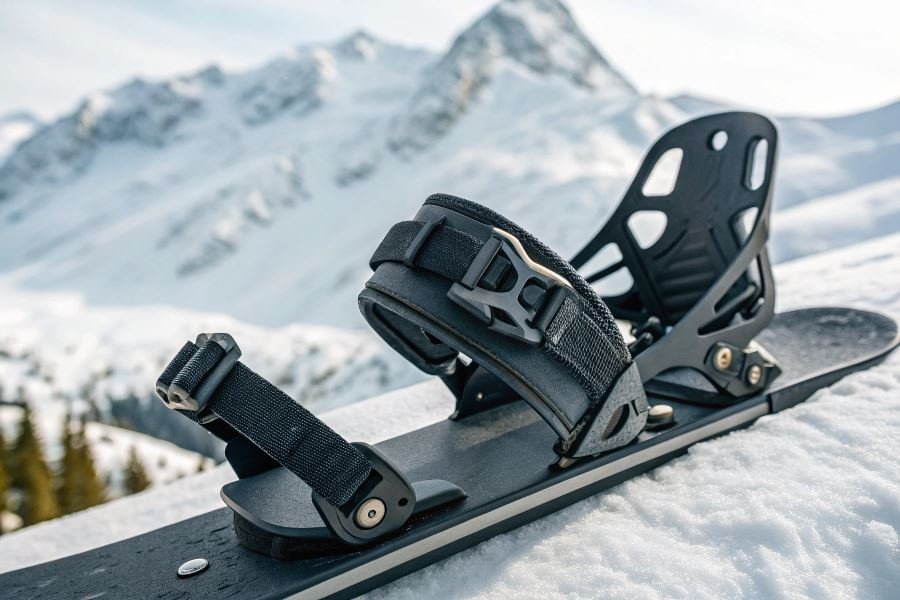
Ever watched a pro snowboarder nail a perfect landing after a massive jump? That’s not just skill—it’s equipment synergy at work. At the heart of this harmony are your bindings, the unsung heroes connecting rider to board.
Think of bindings as the transmission system in your performance vehicle. They translate your body’s intentions into board action, making them arguably the most critical interface in your snowboarding setup. When bindings fail or underperform, it’s not just your riding that suffers—your safety is compromised too.
Performance meets protection
Quality bindings deliver responsive edge control, consistent power transfer, and crucially, impact absorption that protects your joints during those inevitable hard landings. Premium materials like aircraft-grade aluminum, carbon-reinforced nylon, and multi-density EVA cushioning create this performance envelope—but they don’t necessarily require premium pricing.
The value equation decoded
The price-quality ratio in snowboard bindings boils down to three essential elements:
- Construction materials – Higher-grade materials offer durability and performance but at varying price points
- Feature implementation – How effectively technologies like canted footbeds and tool-free adjustments are executed
- Brand positioning – Sometimes you’re paying for innovation, sometimes for the logo
Smart evaluation strategies
To identify true value, look beyond marketing hype. Focus on:
“The best binding isn’t always the most expensive—it’s the one that delivers performance features that match your specific riding style at the lowest possible cost.”
Test the ratchet systems for smooth operation. Examine the highback’s flex pattern. Check for toolless adjustability. These tangible qualities often reveal more about a binding’s true value than its price tag ever could.
Snowboard Bindings That Deliver Maximum Bang for Your Buck
Finding the best snowboard bindings in terms of price-quality ratio can transform your riding experience without emptying your wallet. The sweet spot where performance meets affordability isn’t just about saving cash—it’s about making smart investments in gear that will enhance your progression and enjoyment on the mountain. Let’s dive into the standouts that deliver exceptional value across different price points.
Entry-Level Excellence: Budget Bindings That Perform
For newcomers to the sport or riders watching their spending, several entry-level options deliver surprising performance. The Burton Freestyle bindings ($169) have remained a consistent favorite, offering tool-free adjustment, comfortable straps, and a forgiving flex pattern that works beautifully for beginners and intermediate riders.
Another standout is the Union Flite Pro ($199), which brings professional-grade durability to the entry-level market. With their lightweight baseplate and responsive highback, these bindings punch well above their weight class.
The K2 Formula ($189) rounds out the entry-level champions with its tool-less adjustability and surprisingly responsive feel. What makes these bindings special is their adaptability—they’ll support your progression from your first turns to confident carving.
Mid-Range Marvels: Premium Features Without Premium Prices
Step up to mid-range options and you’ll find bindings that incorporate technology from top-tier models at more accessible price points.
The Rome Katana ($329) exemplifies this category with its customizable flex, pivot mount ankle straps, and asymmetrical highbacks. These features were once exclusive to bindings costing $100 more.
Ride’s C-8 bindings ($299) deliver outstanding response with aluminum heel cups and their Slimeback highback design. The comfort-to-performance ratio here is exceptional, with many riders reporting these feel as good as bindings in the $400+ range.
| Binding | Price | Standout Feature | Best For |
|---|---|---|---|
| Burton Freestyle | $169 | Re:Flex disc system | Beginners/Intermediates |
| Union Flite Pro | $199 | Duraflex baseplate | All-mountain versatility |
| K2 Formula | $189 | Perfect Fit straps | Progression-minded riders |
| Rome Katana | $329 | Customizable flex | All-mountain/freestyle |
| Ride C-8 | $299 | Aluminum heel cups | Responsive carving |
Advanced Performance Without the Premium Price
For experienced riders seeking high-performance without the top-shelf price tag, several options deliver professional-grade performance with strategic compromises.
The Arbor Cypress ($349) brings carbon-reinforced components and a medium-stiff flex that excels in varied terrain. What’s impressive is how they’ve maintained premium response while trimming costs in non-essential areas like packaging and marketing.
Perhaps the ultimate value proposition comes from the NOW Drive ($369). These bindings utilize the innovative Skate-Tech system that transfers energy directly to board edges, delivering exceptional response that rivals bindings costing $100+ more.
For the freerider seeking value, Nitro Team Pro bindings ($329) offer a responsive, damp ride with their Air Dampening system and canted footbeds—features typically found only in premium models.
What separates these advanced options isn’t just performance—it’s longevity. Each model mentioned uses materials and construction techniques that ensure multiple seasons of hard riding, making their price-to-performance ratio even more impressive over time.
Making the Right Choice: Snowboard Bindings That Deliver
Finding that sweet spot between price and performance can feel like searching for fresh powder on a holiday weekend—challenging but absolutely worth it. Let’s dive into how to select snowboard bindings that won’t just perform on day one, but will continue to deliver season after season.
Match Your Ride Style to Your Bindings
Your riding style isn’t just a preference—it’s the blueprint for your binding selection. Different riding styles demand different binding characteristics:
Freestyle riders need flexibility and forgiveness. Look for bindings with:
- Medium-soft to medium flex (3-5 on the flex scale)
- Cushioned highbacks for landing absorption
- Adjustable forward lean for park versatility
All-mountain enthusiasts require versatile performers that can handle varied terrain:
- Medium flex (5-7 range)
- Responsive but not overly stiff baseplates
- Comfortable straps that provide quick response
Freeride and backcountry adventurers need maximum control and power transfer:
- Stiffer flex ratings (7-10)
- Taller, more supportive highbacks
- Premium ankle straps for immediate edge response
The binding that feels “too stiff” for a beginner will feel “perfectly responsive” to an advanced rider. Your skill level should directly influence your flex choice.
Your progression path matters too. Intermediate riders should consider bindings that allow room for skill development rather than bindings that only suit their current abilities.
The Long Game: Value Beyond the Price Tag
True value isn’t about finding the cheapest option—it’s about maximizing your return on investment over time. Consider these factors:
Durability indicators that signal long-term performance:
- Aircraft-grade aluminum vs. composite baseplates
- Reinforced ratchets and ladders
- Warranty length (2+ years suggests manufacturer confidence)
Adaptability features that extend binding lifespan:
- Tool-free adjustment capabilities
- Replacement parts availability
- Forward lean adjustability
| Binding Component | Budget Option | Value Investment | Benefit of Upgrading |
|---|---|---|---|
| Baseplate | Plastic composite | Aluminum/nylon blend | Improved response, durability |
| Highback | Single-density plastic | Multi-zone composite | Better power transfer, comfort |
| Straps | Basic foam | Asymmetric 3D-molded | Enhanced fit, reduced pressure points |
| Buckles | Standard | Aircraft-grade aluminum | Smoother operation, freeze resistance |
Investing an additional $50-80 upfront often translates to bindings that last 2-3 seasons longer and perform better throughout their lifespan.
Finding Deals Without Sacrificing Quality
Smart shopping strategies can help you land premium bindings without premium pricing:
Timing your purchase makes a significant difference:
- End-of-season sales (March-April) typically offer 30-40% discounts
- Pre-season sales (September-October) feature last year’s models at reduced prices
- Holiday sales events can yield unexpected binding bargains
Trusted retailers that consistently offer quality at competitive prices include Evo, Backcountry, and The House.
Demo days at local mountains provide invaluable hands-on experience before purchasing. Many shops offer demo credit toward your eventual purchase.
Remember that last season’s Burton or Union models often outperform current budget options, making them excellent value propositions when found at clearance prices.
The perfect binding balances your current needs with future growth, quality construction with reasonable cost, and performance features with your specific riding style. Take your time, do your research, and your snowboarding experience will thank you for seasons to come.