
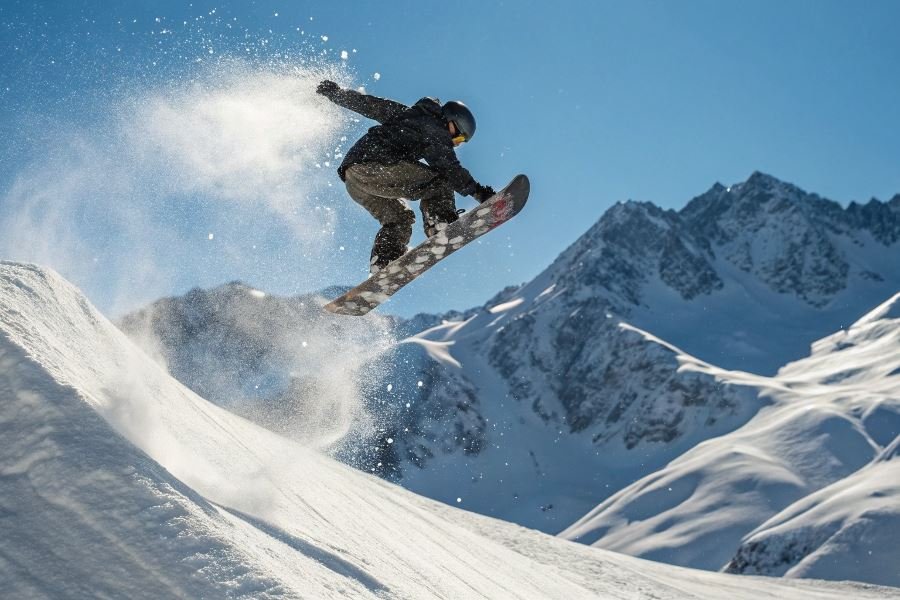
Ever stood at the top of a mountain, fresh powder beckoning, but remembered the terrain park session you promised your friends later? That gear dilemma ends now.
Universal snowboards represent the Swiss Army knife of winter sports equipment—designed to perform admirably across varied terrain without forcing riders to maintain a quiver of specialized boards. The concept isn’t about compromise; it’s about intelligent engineering that delivers performance where you need it most.
What makes a snowboard truly versatile? It starts with a thoughtful middle-ground flex pattern—firm enough to hold an edge on steep descents yet forgiving enough for pressing on rails. The most effective universal designs feature directional twin shapes, combining the symmetrical properties park riders need with subtle directional elements that enhance float in powder.
The engineering behind versatility
The magic happens in three key areas:
- Profile construction – Hybrid camber-rocker profiles deliver the pop and edge control of traditional camber between the feet, while rocker zones at the tip and tail provide forgiveness and float
- Medium-stiff flex patterns that respond differently depending on how you load the board
- Specialized sidecut geometries that balance carving capability with pivot-friendly characteristics
“The evolution of materials science has revolutionized what’s possible in a single board design. What required significant compromise five years ago now performs at 90% capacity across disciplines.” – Professional snowboard designer
Investing in a quality universal board makes financial sense too—premium models typically outlast specialized options due to their balanced construction, and the versatility means you’ll use it more frequently across varying conditions.
The Ultimate Versatility Test: Top 3 All-Terrain Snowboards
When the mountain calls, you need a board that answers with confidence whether you’re carving pristine powder or launching off park features. Finding that perfect balance between freeride stability and freestyle playfulness isn’t just convenient—it’s the holy grail for riders who refuse to be boxed into a single riding style.
The quest for top 3 universal snowboards for freeride and park riding has led manufacturers to push innovation boundaries, creating true all-mountain warriors that perform admirably across varied terrain. These boards represent the pinnacle of versatile design, allowing you to transition seamlessly from powder stashes to terrain park sessions without missing a beat.
Let’s dive deep into the boards that have earned their reputation as the most versatile weapons in your snowsports arsenal.
Burton Custom Flying V: The Terrain Chameleon
The Burton Custom Flying V stands as a testament to Burton’s commitment to versatility. With its hybrid camber-rocker profile, this board delivers a remarkable balance of:
- Float in powder thanks to the rocker between the feet
- Precise edge control on hardpack with camber under the bindings
- Pop and response for park features without sacrificing stability
The Custom Flying V’s directional twin shape maintains a centered stance while offering slightly enhanced nose performance—crucial when transitioning from groomed runs to unexpected powder stashes. The medium flex (rated 5/10) strikes the perfect middle ground, providing enough forgiveness for freestyle tricks while maintaining the torsional rigidity needed for high-speed carving.
“The Flying V profile is Burton’s answer to the one-board quiver, offering 40% camber and 60% rocker—the golden ratio for all-mountain versatility.”
Jones Mountain Twin: Technical Mastery Meets Intuitive Design
The Jones Mountain Twin represents legendary freerider Jeremy Jones’ vision of the ultimate all-terrain board. Its standout features include:
| Technology | Benefit |
|---|---|
| Directional Twin Shape | Balanced performance in both directions with subtle directional properties |
| 3D Contour Base | Enhanced edge-to-edge transition and improved float in powder |
| Traction Tech Edges | Superior grip on icy terrain without sacrificing flow in soft snow |
What truly sets the Mountain Twin apart is its CamRock profile—traditional camber between the feet transitioning to rocker at the tip and tail. This design creates a board that’s incredibly intuitive, responding predictably whether you’re setting up for a switch landing or charging through variable snow conditions.
The medium-stiff flex pattern (6.5/10) provides the stability needed for high-speed freeride lines while maintaining enough torsional give to press and butter through the park.
Lib Tech T.Rice Pro: Innovation That Transcends Boundaries
The Lib Tech T.Rice Pro, Travis Rice’s signature model, showcases why this legendary rider demands nothing less than revolutionary design in his equipment:
- C2X profile – Enhanced camber zones for explosive pop with rocker between the feet
- Magne-Traction edges – Seven strategically placed serrations for unparalleled edge hold
- Eco-friendly construction – Sustainable materials without performance compromise
The T.Rice Pro’s asymmetrical sidecut deserves special mention—it acknowledges the biomechanical reality that heelside and toeside turns create different leverage, resulting in more intuitive carving across all conditions.
With a slightly stiffer flex (7/10), this board demands more from its rider but rewards technical prowess with unmatched response and stability at speed. Despite its freeride capabilities, the T.Rice Pro maintains impressive park performance, particularly excelling on medium to large features where its stability and pop truly shine.
Dialing In Your Perfect All-Mountain Ride
The Ultimate Showdown of Versatile Decks
When comparing our top three universal snowboards, each brings something special to the mountain. The Burton Custom Flying V strikes the perfect balance with its hybrid camber-rocker profile, offering forgiveness while maintaining pop for park features. With a medium flex rating of 6/10, it transitions seamlessly between powder and park.
The Lib Tech T.Rice Pro delivers more aggressive performance through its C2X profile—rocker between the feet with camber under the bindings. This configuration provides exceptional edge hold on hardpack (thanks to Magne-Traction edges) while still floating in powder. Its slightly stiffer flex (7/10) rewards more technical riders.
Meanwhile, the Jones Mountain Twin offers the most powder-friendly ride of the three with its directional twin shape and Traction Tech 2.0 edges. Its CamRock profile combines traditional camber underfoot with rocker at the tip and tail, creating a board that carves precisely yet forgives mistakes.
| Snowboard | Flex | Profile | Best For | Price Range |
|---|---|---|---|---|
| Burton Custom Flying V | 6/10 | Hybrid Camber-Rocker | All-around versatility | $599-649 |
| Lib Tech T.Rice Pro | 7/10 | C2X (Hybrid Rocker) | Technical riders, variable conditions | $649-699 |
| Jones Mountain Twin | 6.5/10 | CamRock | Powder with park capability | $599-649 |
Finding Your Perfect Match
Matching the right board to your riding style is crucial for maximizing fun on the mountain. Beginners and intermediates should lean toward the Burton Custom Flying V, whose forgiving nature helps develop skills without punishing mistakes. The board’s predictable flex pattern builds confidence whether you’re linking turns or attempting your first boxes.
Advanced riders looking to push boundaries will appreciate the Lib Tech T.Rice Pro’s responsiveness. Its stiffer flex and aggressive edge technology reward proper technique with lightning-quick transitions and stable landings. If you’re spending equal time between powder stashes and park laps, this board handles both without compromise.
For powder enthusiasts who still want park capability, the Jones Mountain Twin offers the best float-to-freestyle ratio. Its directional twin shape provides the best of both worlds—enhanced float in powder while maintaining switch riding ability for park sessions.
Your riding preferences should ultimately guide your decision—consider where you spend 70% of your time on the mountain and choose accordingly.
Extending Your Board’s Prime Years
The difference between a board that lasts three seasons versus five often comes down to maintenance. Start with regular edge tuning—keep edges sharp for hardpack days but detune the contact points slightly if you’re park-focused to prevent catching edges on rails.
A properly maintained universal snowboard doesn’t just last longer—it performs consistently throughout its lifespan, giving you the same reliable feel from first chair to last run.
Wax frequency matters tremendously with these versatile boards. Since you’ll encounter varying snow conditions, apply a universal temperature wax every 3-4 riding days. For extended powder trips, consider a cold-weather wax to maximize glide in fresh snow.
Storage makes a surprising difference in longevity. Store your board standing up (not on its edge) in a cool, dry place with bindings loosened. Avoid leaning it against heat sources, which can compromise the epoxy holding the board together.
Finally, inspect your board regularly for core shots or edge damage. Small repairs addressed immediately prevent moisture from reaching the core—the quickest way to retire an otherwise excellent snowboard. With proper care, any of these three versatile boards will deliver seasons of all-mountain performance, making your investment stretch further while maintaining the responsive feel you need for both freeride exploration and park progression.