
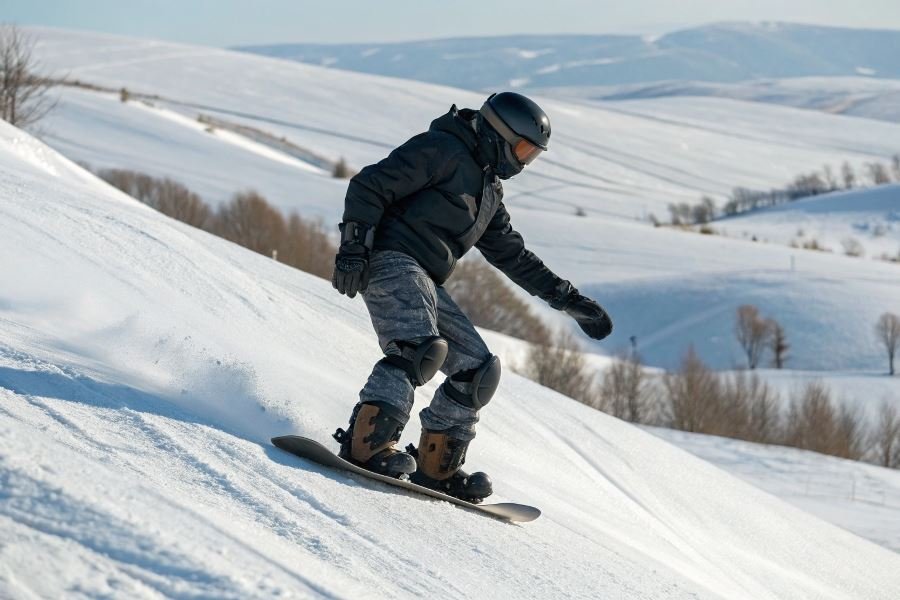
Ever watched someone glide effortlessly across fresh powder, their board an extension of their body, and wondered what it takes to join their ranks? Snow skating—that thrilling hybrid between skateboarding and snowboarding—demands specific gear to keep you both safe and stylish on the slopes.
Snow skating combines the technical finesse of skateboarding with winter’s playground, creating a unique sport that’s captured the hearts of thrill-seekers nationwide. But before you hit the powder, understanding what equipment is truly necessary can save you both cash and potential hospital visits. The right setup isn’t just about performance—it’s your lifeline on unpredictable terrain.
The non-negotiables
Let’s cut through the marketing hype. Your essential snow skating kit boils down to three core components:
- The deck: Your snow skate’s foundation—typically wooden with a plastic bottom sheet for glide and control
- Proper footwear: Waterproof, insulated boots with ankle support and superior grip
- Protective gear: At minimum, a certified helmet and impact-resistant wrist guards
Optional extras vs. must-haves
While retailers might push everything from specialized gloves to custom bindings, distinguish between what enhances your experience and what preserves your safety. Thermal layers, waterproof outerwear, and knee pads fall into the “strongly recommended” category, while custom grip tape and branded accessories remain purely optional.
Safety first, tricks second
Remember: snow skating combines two already risky sports in potentially extreme conditions. Your equipment choices should prioritize protection against both impact and environmental hazards. Quality safety gear isn’t where you want to cut corners—especially when temperatures drop and terrain becomes less predictable.
Core Equipment for Snow Skating Essentials
Snow skating represents the perfect fusion of skateboarding freedom and winter sports exhilaration. When you’re gliding across fresh powder with nothing but a deck beneath your feet, having the right equipment isn’t just about performance—it’s about safety and enjoyment. Equipment for snow skating: what is really necessary often comes down to three critical components that can make or break your experience on the snow.
Snow Skates: Your Winter Deck
Snow skates come in several distinct varieties, each offering unique riding experiences:
Bideck models feature a skateboard deck mounted on top of a ski-like platform, providing stability and maneuverability similar to traditional skateboarding. Brands like Burton have pioneered these designs with their Freebord series.
Monodeck designs (single-piece construction) offer a more challenging but authentic experience, with the deck directly attached to a slick bottom surface. Ambition Snowskates specializes in these minimalist options.
Selection criteria worth considering:
| Feature | Beginner Recommendation | Advanced Rider Needs |
|---|---|---|
| Deck Width | 8.0-8.5 inches | 7.5-8.25 inches |
| Length | 35-40 inches | 30-38 inches |
| Base Material | Plastic/HDPE | Carbon-infused UHMW |
| Concave | Moderate | Steep |
The ideal snow skate balances weight, durability, and responsiveness. For beginners, prioritize stability with wider decks and longer bases. Advanced riders might prefer the precision of narrower, shorter designs that allow for technical tricks.
Footwear and Binding Systems
Unlike snowboarding, snow skating typically doesn’t require specialized boots, but your footwear choice dramatically impacts control and comfort.
Optimal footwear characteristics:
- Water-resistant or waterproof exterior
- Rigid ankle support
- Aggressive tread pattern
- Insulation rated for cold conditions
Vans MTE and DC Shoes winter collections offer excellent options specifically designed for board sports in cold conditions.
Binding systems range from minimalist to comprehensive:
- Strap bindings: Secure your feet while maintaining some freedom of movement
- Cuff systems: Wrap around your ankles for enhanced response
- Hybrid solutions: Combine elements of both for customizable control
The best binding setup depends on your riding style—freestyle riders often prefer less restriction, while those tackling steeper terrain benefit from more secure attachments.
Protective Gear: Non-Negotiable Safety
Snow skating combines skateboarding’s technical falls with winter sports’ hard surfaces, making protection absolutely essential.
Must-have protective equipment:
-
Helmets: Look for dual-certified options from Triple Eight or Pro-Tec that meet both skateboarding and snow sport safety standards.
-
Impact protection:
- Wrist guards with palm sliders
- Knee pads with hard caps
- Hip pads for those inevitable backward falls
- Padded shorts for tailbone protection
- Thermal protection:
- Moisture-wicking base layers
- Waterproof, breathable outerwear
- Insulated, waterproof gloves
Remember that snow conditions can change rapidly, making falls unpredictable even for experienced riders. The right protective gear transforms potential injuries into minor inconveniences, allowing you to push your limits safely.
When properly equipped, snow skating offers an accessible winter sport alternative that combines skateboarding’s creative expression with the thrill of snow sports—without the lift ticket prices or specialized boot requirements.
Building Your Ultimate Snow Skating Kit
Smart Budget Strategies for Essential Gear
Let’s face it—snow skating equipment doesn’t have to empty your wallet. Start with the essentials and build gradually. Many beginners make the mistake of overspending before they’ve developed their style. Instead, focus on a quality deck first—this is your non-negotiable investment.
Look for end-of-season sales at specialty shops like Ambition Snowskates where prices often drop 30-40% in March. Online marketplaces feature gently used equipment that performs just as well at half the retail cost. Consider last year’s models—the performance difference is minimal, but the savings are substantial.
Pro tip: Join snow skating communities on social media where enthusiasts often sell or trade equipment. These groups are goldmines for budget-conscious riders looking for quality gear without the markup.
For bindings and boots, prioritize comfort and support over flashy features. Many experienced riders swear by mid-range options that deliver 90% of the performance at 60% of the premium price.
Extending Equipment Lifespan Through Proper Care
Your snow skating gear will thank you for regular maintenance with extended performance and durability. After each session:
- Thoroughly dry your deck to prevent warping and delamination
- Remove bindings to allow complete drying of mounting areas
- Store equipment in a cool, dry place away from direct sunlight
The deck surface deserves special attention—clean it with a soft brush to remove dirt and salt that can deteriorate the material. Apply a quality water repellent every 15-20 sessions to maintain optimal glide characteristics.
The difference between equipment that lasts one season versus three often comes down to these simple maintenance habits.
For bindings and boots, periodic inspection prevents catastrophic failures. Check for loose screws, strap wear, and sole degradation. A small repair kit with replacement screws and straps can save your session when you’re miles from the nearest shop.
Equipment Evolution As Your Skills Advance
| Skill Level | Deck Focus | Binding Needs | Additional Gear |
|---|---|---|---|
| Beginner | Stability, width | Simple, forgiving | Basic protection |
| Intermediate | Balance of control/maneuverability | Responsive, adjustable | Specialized clothing |
| Advanced | Specialized for style | Performance-oriented | Technique-specific tools |
As your skills progress, your equipment needs transform dramatically. Beginners benefit from wider, more stable decks with forgiving characteristics. Once basic techniques are mastered, many riders transition to more responsive setups that enable technical riding.
Advanced riders often maintain multiple decks for different conditions and riding styles. A powder-specific deck with increased surface area complements a nimble park deck for technical tricks. This specialization maximizes performance across varying terrain.
Binding systems evolve from simple, forgiving setups to more responsive configurations that transfer energy efficiently. Boots transition from comfort-focused to performance-oriented, with advanced riders often investing in specialized footwear from brands like ThirtyTwo that offer snow skating-compatible features.
Remember: Equipment progression should follow skill development—not the other way around. The most sophisticated gear won’t improve fundamental technique issues, but the right equipment at the right time can dramatically accelerate your progression on the snow.