
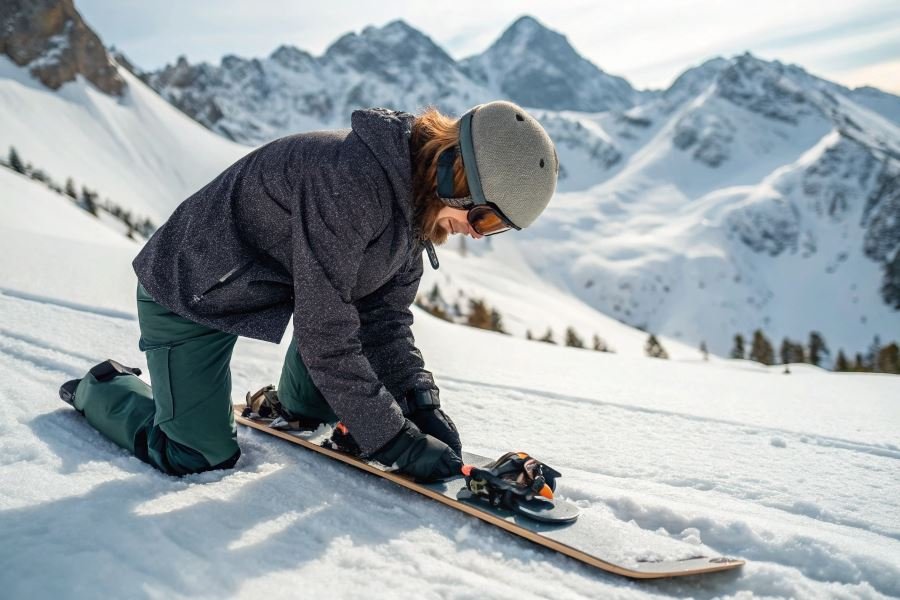
Ever stood atop a pristine mountain ridge, watching untouched powder stretch for miles, and thought “I need to be there”? That’s where splitboards come in – revolutionizing how riders access the backcountry and transforming winter adventures forever.
Splitboards are specialized snowboards that separate into two ski-like pieces for uphill travel, then reconnect for downhill riding. Unlike traditional resort boarding, splitboarding opens up vast terrain beyond lift access, but finding the right board involves navigating a complex matrix of features, materials, and price points.
The price-quality equation isn’t straightforward. A $1,200 splitboard might outperform a $900 model in certain conditions but fall short in others. The sweet spot depends on your specific needs, terrain preferences, and riding style. Key factors driving both price and performance include:
What drives splitboard value?
- Construction materials: Carbon fiber adds stiffness and reduces weight but significantly increases cost
- Edge technology: Advanced edge designs improve grip on icy traverses
- Weight-to-durability ratio: Ultralight boards may sacrifice longevity
- Interface systems: How the board transitions between modes affects both price and field performance
Our evaluation methodology combines laboratory metrics (torsional rigidity, weight distribution) with real-world testing across varied terrain. We’ve categorized boards into three price tiers—entry-level (500 − 700), mid − range(700-1000), and premium ($1000+)—then assessed performance relative to investment.
The goal? Finding boards that deliver maximum backcountry joy per dollar spent, whether you’re a weekend warrior or dedicated powder hunter.
Finding Your Perfect Splitboard: The Ultimate Price-Quality Breakdown
When the backcountry calls, your splitboard becomes your most trusted companion. But with prices ranging from $400 to well over $1500, how do you know if you’re getting genuine performance or just paying for fancy graphics? Let’s dive into the nitty-gritty details that separate the true performers from the pretenders.
Our comprehensive comparison of splitboards by price-quality ratio reveals that the sweet spot varies dramatically depending on your experience level and riding style. Whether you’re a weekend warrior or a dedicated powder hound, understanding these price brackets will save you from both disappointment and unnecessary spending.
Entry-Level Excellence: 400−700 Range
The entry-level market has evolved dramatically in recent years, offering surprisingly capable options that won’t break the bank:
Voilé Spartan Splitboard ($599) delivers remarkable durability with its poplar core and triaxial fiberglass construction. The simplified camber profile makes it forgiving for beginners while maintaining enough performance for progression.
Arbor Coda Split ($649) brings sustainability credentials with its FSC-certified cores while delivering a playful flex pattern that beginners find confidence-inspiring.
What’s impressive about today’s budget options is their incorporation of technologies that were premium features just five years ago:
| Feature | Found in Budget Models | Impact on Performance |
|---|---|---|
| Sintered bases | Most $500+ models | Better glide, especially in flat sections |
| Effective edge tech | 60% of entry models | Improved control on hardpack |
| Hybrid camber | Now standard | Balance between float and edge hold |
The primary compromise in this bracket is weight—expect boards 15-20% heavier than premium alternatives, which you’ll feel on longer tours.
Mid-Range Marvels: 700−1000
This is where the price-to-performance ratio peaks for most riders:
Jones Solution Splitboard ($899) exemplifies this sweet spot with its Traction Tech 3.0 edges that grip ice like crampons and a directional rocker profile that handles everything from powder to crud with confidence.
Weston Backwoods Split ($949) delivers a carbon-infused construction that significantly reduces weight while maintaining torsional rigidity—crucial when navigating technical terrain.
The mid-range category offers meaningful upgrades that directly impact your backcountry experience:
- Lighter weight constructions (typically 0.5-1lb lighter than entry models)
- Enhanced edge technology for variable snow conditions
- More sophisticated flex patterns that respond differently in different terrain
For 80% of riders, the performance gains beyond this price point follow the law of diminishing returns.
Premium Performance: $1000 and Beyond
When only the absolute best will do:
Burton Family Tree Flight Attendant X Split ($1199) justifies its premium with Channel mounting system flexibility and ultralight construction that shaves critical ounces for long ascents.
Lib Tech Split BRD ($1049) brings Magne-Traction serrated edges and environmentally friendly Eco Sublimation construction—innovations that genuinely enhance performance rather than just the price tag.
At this tier, you’re paying for:
- Advanced materials (carbon fiber, specialized resins)
- Proprietary technologies that address specific riding challenges
- Reduced weight without sacrificing durability
- Precision manufacturing with tighter tolerances
The question isn’t whether these boards perform better—they objectively do—but whether the 15-20% performance improvement justifies the 30-40% price increase over mid-range options.
For dedicated backcountry enthusiasts logging 30+ days per season, the answer is often yes. For everyone else, that extra investment might be better directed toward avalanche safety equipment or guided experiences.
Maximizing Your Splitboard Investment
The elite three splitboards of 2025
The splitboarding market has exploded with options, but three models stand head and shoulders above the competition when balancing performance and price. The Jones Solution Splitboard ($899) continues its reign with unmatched versatility across varied terrain. Its directional shape and Traction Tech 3.0 edges deliver exceptional grip on icy traverses while maintaining float in powder—a rare combination at this price point.
For riders seeking premium performance without the premium price tag, the Arbor Coda Splitboard ($799) delivers with its parabolic rocker profile and sustainably harvested wood core. The board’s responsiveness in tight tree sections rivals models costing $300 more.
The dark horse in this elite group is the Weston Backwoods Splitboard ($849), which has quietly built a cult following among backcountry enthusiasts. Its setback stance and tapered directional shape create a nimble yet stable platform that excels in deep powder while remaining manageable on technical descents.
| Splitboard | Price | Best For | Standout Feature |
|---|---|---|---|
| Jones Solution | $899 | All-mountain versatility | Traction Tech 3.0 edges |
| Arbor Coda | $799 | Responsive tree riding | Parabolic rocker profile |
| Weston Backwoods | $849 | Deep powder performance | Tapered directional shape |
Beyond the price tag
When evaluating splitboards, the initial purchase price tells only part of the story. The durability of edge construction dramatically affects long-term value—boards with reinforced steel edges typically last 2-3 seasons longer under heavy use. The Burton Family Tree Splitboard exemplifies this with its diamond-cut base and reinforced sidewalls, which maintain structural integrity even after hundreds of days in the backcountry.
Binding compatibility represents another crucial long-term consideration. Splitboards that accommodate multiple binding systems offer greater flexibility as your riding style evolves. The K2 Marauder Splitboard features a universal channel system compatible with both puck and channel-style bindings, eliminating the need for a complete setup overhaul when upgrading components.
The cheapest splitboard is rarely the most economical in the long run. Factor in replacement parts, binding compatibility, and resale value when calculating true cost.
Warranty coverage varies dramatically between manufacturers. Lib Tech and Never Summer offer industry-leading 3-year warranties against manufacturing defects, potentially saving hundreds in replacement costs compared to brands with limited coverage.
Finding your perfect match
Beginner splitboarders should prioritize stability and forgiveness over specialized performance. The Nitro Nomad Splitboard ($749) offers a flat camber profile that forgives technical mistakes while providing predictable edge control on varied terrain—ideal for developing fundamental backcountry skills.
For intermediate riders exploring diverse terrain, versatility becomes paramount. The Rome Whiteroom Splitboard ($879) features a hybrid camber-rocker profile that transitions seamlessly from hardpack to powder, accommodating the varied conditions encountered during all-day tours.
Advanced riders focusing on technical descents benefit from specialized designs. The Capita Neo Slasher ($899) combines a stiff flex pattern with aggressive sidecut, delivering precise edge control on steep, consequential lines where performance margins matter most.
Consider your regional terrain when selecting your board. Riders in the Pacific Northwest benefit from wider waist widths and pronounced rocker profiles to handle deep, wet snow, while East Coast splitboarders might prioritize torsional stiffness and effective edge length for navigating firm conditions and tight trees.