
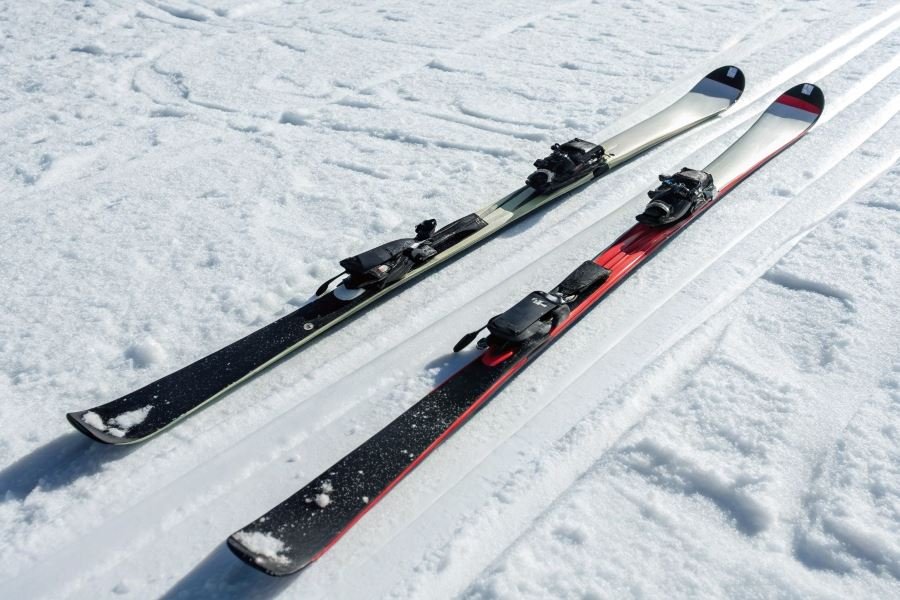
Ever stood in a ski shop, staring at rows of seemingly identical skis, wondering if there’s really a difference between men’s and women’s models—or if it’s just clever marketing? The truth might surprise you.
When women’s-specific skis first emerged in the 1990s, they were often just men’s skis painted in stereotypically feminine colors. Fast forward to today, and the evolution has been remarkable. Modern women’s skis are engineered from the ground up with distinct design elements based on biomechanical research, not stereotypes.
Understanding these differences isn’t just about getting the right “look”—it’s about unlocking your full potential on the slopes. Skiing on gender-inappropriate equipment can lead to premature fatigue, compromised technique, and even increased injury risk. As Olympic gold medalist Mikaela Shiffrin noted after switching to women-specific designs: “The difference was night and day in how responsive the skis felt to my body mechanics.”
The science behind the shapes
The distinctions between men’s and women’s skis stem from three fundamental differences:
- Mounting position – Women’s skis typically feature binding mounting points slightly forward to accommodate different center of gravity
- Flex patterns – Generally softer in women’s models, particularly in the tip and tail
- Width profiles – Often narrower in women’s designs to match typical anatomical differences
These aren’t arbitrary changes—they’re calculated adjustments based on physiological differences that affect skiing biomechanics. The right ski doesn’t care about your gender identity—it cares about working harmoniously with your unique body.
The Anatomy of Gender-Specific Skis
When you’re standing in a ski shop surrounded by walls of equipment, knowing how to distinguish women’s skis from men’s skis can save you from making an expensive mistake. The differences aren’t just marketing—they’re engineering solutions based on biomechanical realities that can significantly impact your performance on the slopes.
Length and Width: Size Matters
Women’s skis are typically shorter and narrower than men’s models, but this isn’t arbitrary. On average, women’s skis run 5-15cm shorter than the equivalent men’s model. This design choice accommodates the typically lower center of gravity and different weight distribution found in female skiers.
Width measurements tell a similar story. Women’s skis generally feature narrower waist widths (often by 2-5mm) compared to men’s versions of the same model. Take the popular Rossignol Experience line: the women’s Experience 76 has a 76mm waist width, while the comparable men’s model measures 80mm. This narrower profile allows for quicker edge-to-edge transitions that complement many women’s skiing styles.
“The right ski dimensions aren’t about gender stereotypes—they’re about physics and biomechanics working in your favor.”
Flex Patterns: The Bend That Matters
Perhaps the most significant technical difference lies in flex patterns. Women’s skis feature a softer flex profile, particularly in the tip and tail sections. This isn’t because women are “weaker” skiers—it’s smart engineering that accounts for typical differences in weight and muscle distribution.
A ski with appropriate flex will compress properly during turns, allowing the ski to engage its full edge length. Too stiff, and lighter skiers can’t properly bend the ski; too soft, and heavier skiers will overpower it.
The flex difference is most noticeable in performance-oriented models. For instance:
| Ski Category | Women’s Flex Characteristics | Men’s Flex Characteristics |
|---|---|---|
| All-Mountain | Softer tip, medium core | Stiffer throughout |
| Powder | Progressive flex pattern | Uniform stiffness |
| Racing | Softer forebody, responsive tail | Rigid construction throughout |
Mounting Points: Position Perfect
The third critical difference lies in mounting points—where bindings attach to the ski. Women’s skis typically feature a more forward mounting position by 1-2cm compared to men’s models.
This forward position accommodates the different weight distribution and center of gravity common in female physiology. When properly mounted, women’s skis provide:
- Better balance throughout the turn
- Enhanced control during edge transitions
- More intuitive steering response
The binding position isn’t just about where they’re mounted—it’s about how the entire ski performs as a system. Marker and Tyrolia have developed women-specific binding systems that complement these mounting differences with appropriate release settings and lighter constructions.
Some manufacturers like Blizzard take this a step further with their Women’s Specific Design philosophy, integrating mounting position considerations into the core construction of the ski itself, creating a truly harmonized system rather than just moving the bindings forward.
Understanding these physical characteristics doesn’t just help you identify women’s skis on the rack—it helps you select equipment that will work with your body’s natural mechanics, ultimately making your time on the mountain more enjoyable and progressive.
The Visual Language of Ski Design
Color Schemes That Tell a Story
The ski industry has mastered the art of visual differentiation between men’s and women’s models. Women’s skis typically showcase color palettes in purple, teal, pink, and pastel shades, creating an immediate visual cue. Brands like Rossignol embrace this distinction with their women’s Experience line featuring elegant turquoise accents, while their men’s counterparts sport bold reds and blacks.
This isn’t just about aesthetics—it’s strategic marketing. Research shows color psychology influences purchasing decisions, with manufacturers leveraging these preferences to create gender-specific visual identities. The graphic designs on women’s skis often feature more flowing, artistic patterns compared to the angular, geometric designs common on men’s models.
Industry insight: The color coding trend began shifting around 2010, with some brands now offering more gender-neutral options while maintaining subtle visual differences that help consumers navigate their product lines.
Decoding Model Names and Labels
Manufacturers have developed sophisticated naming conventions that instantly signal a ski’s intended user:
| Women’s Ski Indicators | Men’s Ski Indicators |
|---|---|
| “Lady,” “Queen,” “W” suffix | “King,” “Titan,” “M” suffix |
| Female names (e.g., “Kenja”) | Male names (e.g., “Mantra”) |
| “She,” “Her” in descriptions | “He,” “His” in descriptions |
Blizzard exemplifies this approach with their Black Pearl (women’s) and Brahma (men’s) lines—same performance category, distinctly gendered naming. These labels appear prominently on the ski topsheet, often accompanied by specific icons or symbols that reinforce the gender targeting.
The font choices themselves tell a story—women’s models frequently use more elegant, rounded typography while men’s models feature bolder, more angular lettering. This subtle design choice reinforces the intended market without saying a word.
Packaging That Speaks Volumes
The marketing journey begins before you even touch the skis. Women’s ski packaging typically features:
- Female athletes in action poses
- Softer color schemes continuing the topsheet aesthetic
- Language emphasizing maneuverability and confidence
Men’s packaging, by contrast, showcases:
- Male athletes in aggressive stances
- Darker, more industrial color schemes
- Terminology highlighting power and performance
Atomic masterfully executes this strategy with their display materials featuring gender-specific imagery that creates an immediate connection with the target consumer. Even the positioning within retail environments follows these distinctions, with women’s skis often grouped in dedicated sections with complementary gear.
The most telling indicator? The marketing language itself. Women’s skis are frequently described using terms like “forgiving,” “intuitive,” and “lightweight,” while men’s models get labeled as “aggressive,” “powerful,” and “demanding.” These descriptors appear on everything from hang tags to online product listings, creating consistent messaging across all touchpoints.
These visual and marketing elements work together to create an instant recognition system that helps skiers quickly identify equipment designed with their specific needs in mind.