
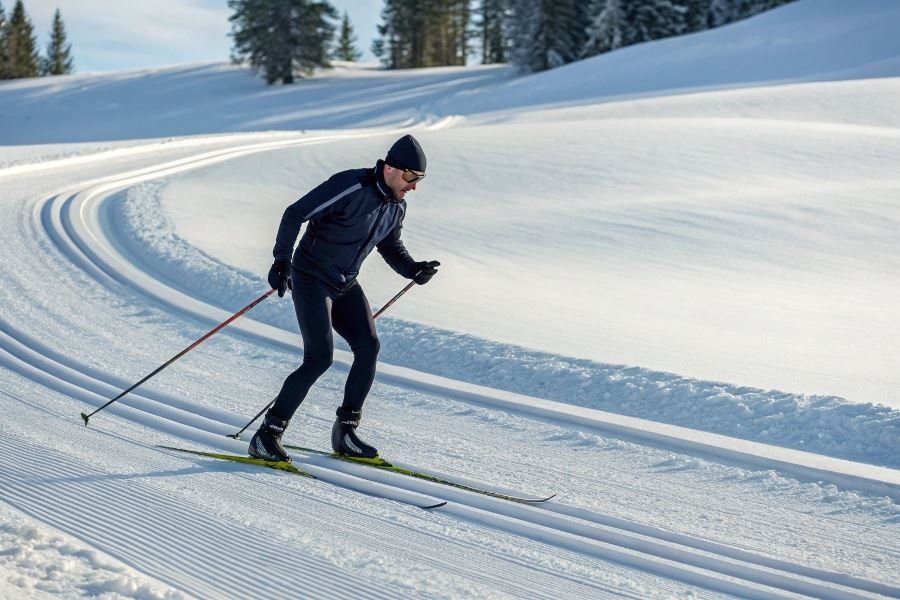
Ever stood at the edge of a pristine snow-covered trail, watching skilled skiers effortlessly glide past with a rhythmic, almost hypnotic motion? That’s the magic of classic cross-country skiing—a perfect blend of tradition, technique, and technology that transforms winter landscapes into accessible playgrounds.
Classic skiing isn’t just about moving forward; it’s about connecting with the snow beneath you. Unlike skating technique, classic style relies on a parallel stride with alternating arm movements—mimicking a natural walking motion but delivering exponentially more efficiency and joy. Finding the right skis for this timeless technique can make the difference between frustration and flow on the trails.
When evaluating the top cross-country skis for classic style, three critical factors stand out: camber profile, flex pattern, and base construction. The perfect classic ski offers enough “pocket” under your foot to hold grip wax while maintaining sufficient stiffness for optimal glide. Modern manufacturing has revolutionized this balance, with brands now offering specialized camber designs that automatically adjust to different snow conditions and skier weights.
Market evolution: What’s trending in classic skis
The classic ski market has seen remarkable innovation since the traditional wooden skis of the 1970s. Today’s models feature sophisticated materials like carbon fiber reinforcement, specialized core constructions, and base treatments that dramatically improve performance while reducing weight.
The most significant trend? Accessibility. Manufacturers now create skis that forgive technical imperfections while still rewarding proper form—perfect for both developing athletes and weekend warriors looking to maximize their time on snow.
The Ultimate Classic Cross-Country Ski Showdown
When winter blankets the landscape in pristine white, there’s nothing quite like the rhythmic glide of classic cross-country skiing to connect with nature while getting an incredible full-body workout. After testing dozens of models across varied terrain and snow conditions, I’ve narrowed down the top 3 cross-country skis for classic style that consistently deliver exceptional performance for recreational and fitness-oriented skiers. Each pair brings unique strengths to the trail, whether you’re tackling groomed tracks or venturing into backcountry adventures.
Fischer Twin Skin Pro: The Precision Performer
The Fischer Twin Skin Pro represents the pinnacle of modern classic ski engineering with its revolutionary dual-skin technology. Unlike traditional waxable skis, this model features:
- Offset skin placement that creates an optimal kick zone while maintaining superior glide
- Progressive sidecut that enhances tracking stability
- Air Core construction reducing weight to approximately 1,100g per ski (for 195cm length)
What truly distinguishes the Twin Skin Pro is its intelligent design approach to the age-old grip-versus-glide dilemma. The two offset mohair/synthetic blend skin inserts provide reliable kick in temperatures ranging from -15°C to +5°C without the hassle of constantly adjusting kick wax.
The Fischer excels on groomed trails and performs best for skiers with efficient technique who prioritize performance. Its World Cup-inspired base preparation delivers exceptional glide characteristics that reward proper weight transfer and timing.
| Feature | Specification | Benefit |
|---|---|---|
| Weight | ~1,100g (195cm) | Reduced fatigue on long outings |
| Core | Air Core Basalite | Optimal flex pattern with durability |
| Skin Type | Dual offset mohair/synthetic | Consistent grip across conditions |
Rossignol Evo OT 65: The Versatility Champion
The Rossignol Evo OT 65 breaks the mold with its 65mm waist width that bridges the gap between traditional classic skis and wider touring models. This design creates:
- Enhanced flotation in unpacked snow conditions
- Forgiving performance for developing technique
- Waxless fish-scale pattern base requiring minimal maintenance
The Evo OT’s partial steel edge provides confidence-inspiring control when navigating varied terrain, making it the ideal companion for skiers who don’t want to be limited to groomed trails. Its moderate camber profile strikes an impressive balance between grip for climbing and glide for efficient forward momentum.
What makes the Rossignol particularly appealing is its accessibility—it performs admirably for beginners while offering enough capability to satisfy intermediate skiers exploring beyond the track. The wood core construction delivers predictable flex and remarkable durability season after season.
| Feature | Specification | Benefit |
|---|---|---|
| Width | 65mm waist | Stability and flotation in varied snow |
| Edge | Partial steel | Enhanced control on descents |
| Base | Waxless pattern | Consistent grip without maintenance |
Salomon Aero 9 Skin: The Technology Innovator
The Salomon Aero 9 Skin showcases how cutting-edge materials science can transform the classic skiing experience. This model features:
- S/Lab carbon construction reducing weight while enhancing energy transfer
- Pomoca Race skin insert delivering competition-level grip efficiency
- G5 universal base treatment optimizing glide across snow conditions
Salomon’s engineering brilliance shines through in the Aero 9’s exceptional torsional rigidity, which translates to precise tracking even at higher speeds. The ski’s camber profile has been meticulously designed to provide progressive pressure distribution—meaning the skin engages precisely when needed during the kick phase without compromising glide.
The standout innovation is Salomon’s integration of race-proven Pomoca skin technology with their proprietary base structure. This combination creates remarkable glide performance that approaches waxable skis while maintaining the convenience of skin-based grip. For fitness-oriented skiers who value efficiency and performance consistency, the Aero 9 delivers an exceptional experience.
| Feature | Specification | Benefit |
|---|---|---|
| Construction | Carbon reinforced | Superior power transmission |
| Skin | Pomoca Race | Efficient grip with minimal glide penalty |
| Weight | ~1,050g (196cm) | Reduced effort during long sessions |
Each of these exceptional classic skis offers distinct advantages depending on your skiing style, terrain preferences, and performance priorities. Whether you value the precision of the Fischer, the versatility of the Rossignol, or the technological innovation of the Salomon, these top contenders will elevate your classic skiing experience this winter.
Choosing Your Perfect Classic Cross-Country Ski
When you’re standing in front of three exceptional classic cross-country skis, making the final decision can feel like choosing between Olympic gold medalists. Each has strengths, each has a sweet spot, and each could be your perfect winter companion. Let’s break down what separates these top contenders and match you with your ideal glide partner.
Performance comparison at a glance
The differences between our top three classic skis become crystal clear when we examine them side by side:
| Feature | Fischer Twin Skin Pro | Rossignol Delta Sport | Salomon Aero 9 |
|---|---|---|---|
| Weight | 1250g | 1320g | 1180g |
| Camber | Medium | Aggressive | Progressive |
| Grip system | Mohair/synthetic skins | Waxless pattern | Waxable base |
| Stability | High | Medium | Medium-high |
| Price range | $350-400 | $280-330 | $420-470 |
| Best for | All-conditions reliability | Budget-conscious skiers | Performance enthusiasts |
Matching skis to your skiing profile
Your perfect ski isn’t just about specs—it’s about how those specs align with your personal skiing style and environment.
The Fischer Twin Skin Pro shines for intermediate skiers who value consistency across changing conditions. Its dual-skin technology delivers reliable grip without the hassle of waxing, making it ideal for those who ski in regions with fluctuating temperatures. If you’re someone who wants to focus on technique rather than maintenance, this is your ski.
For beginners and recreational skiers, the Rossignol Delta Sport offers the most forgiving platform. Its wider profile and waxless base create a stable, low-maintenance experience that builds confidence on groomed trails. The Delta’s approachable price point makes it particularly attractive for those still determining their long-term commitment to the sport.
Advanced skiers seeking responsiveness will gravitate toward the Salomon Aero 9. Its lightweight construction and waxable base deliver superior glide on cold, dry snow. The progressive camber rewards proper technique with exceptional energy return—you’ll feel the difference when you nail that perfect kick.
Long-term ownership considerations
The ski you choose today will be your winter companion for years to come, making durability and maintenance requirements crucial factors.
Waxable bases like the Salomon’s require more frequent attention but offer customizable performance and longer base life. Plan for 20-30 minutes of preparation before each outing in changing conditions, plus occasional deep maintenance.
Skin-based systems strike the middle ground. The Fischer’s mohair/synthetic blend skins need replacement every 100-150 skiing days (typically 3-5 seasons for most recreational skiers). Regular cleaning with skin cleaner prevents gumming and maintains grip.
Waxless pattern bases on the Rossignol require minimal maintenance but can’t be optimized for specific snow conditions. They’re virtually maintenance-free beyond occasional cleaning and storage waxing during the off-season.
The true cost of a ski extends beyond the purchase price to include the time and materials needed for maintenance over its lifespan.
All three models feature high-quality construction that should deliver 7-10 seasons of reliable performance when properly maintained. The Fischer and Salomon models include reinforced tip and tail sections that better resist damage from occasional impacts.
Your ideal classic cross-country ski balances your technical ability, preferred terrain, maintenance tolerance, and budget. By weighing these factors against the specific strengths of each top contender, you’ll find yourself gliding into winter on the perfect pair.