
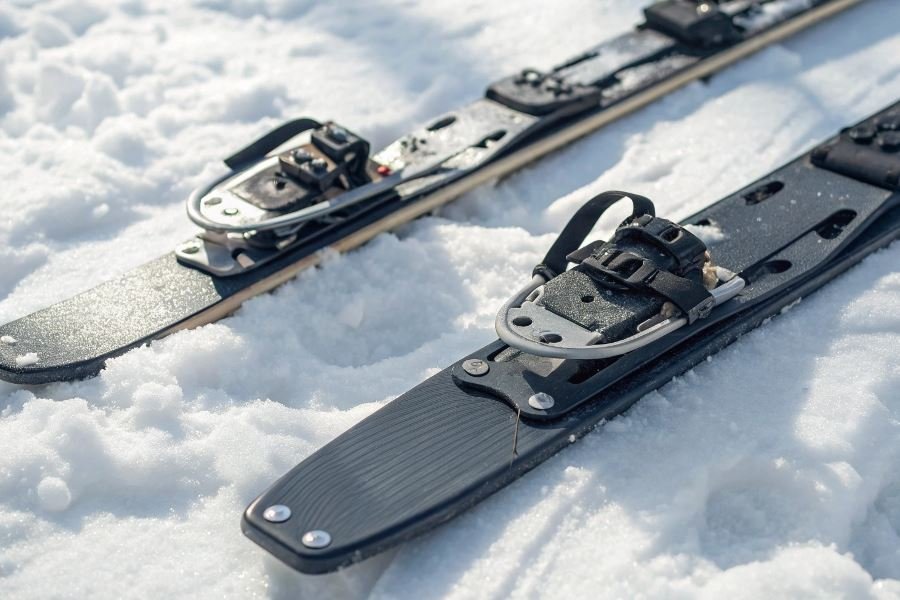
Ever wondered why some skiers glide effortlessly between different terrains while others struggle with equipment changes? The secret might be hiding right under their boots.
Universal bindings have emerged as game-changers in the cross-country skiing world, offering unprecedented versatility for enthusiasts who refuse to be limited by traditional equipment constraints. These innovative systems serve as the critical interface between boot and ski, designed specifically to accommodate multiple boot types without sacrificing performance or requiring specialized footwear.
The evolution of binding technology tells a fascinating story of innovation. Traditional pin bindings dominated the market for decades after their introduction in the 1970s, requiring specific boots with corresponding sole patterns. The breakthrough came in the early 2000s when manufacturers began developing systems that could accommodate various boot types while maintaining the precise control needed for both classic and skating techniques.
Today’s universal binding landscape features three primary contenders:
- NNN (New Nordic Norm) systems, which utilize two guiding ridges and a front metal bar
- SNS (Salomon Nordic System) variants, featuring a single wide ridge and metal bar
- Hybrid systems like Prolink and Turnamic that aim to bridge compatibility gaps
Each system offers distinct advantages in terms of weight, power transfer, and compatibility range. The latest generation of universal bindings has dramatically reduced the “compromise factor” that once made these systems less appealing to competitive skiers.
The binding you choose doesn’t just connect you to your skis—it fundamentally transforms your entire skiing experience.
Universal Bindings: The Swiss Army Knife of Cross-Country Skiing
When you’re standing in the ski shop staring at rows of binding options, the versatility of universal bindings can seem like a beacon of simplicity in a sea of specialized equipment. These adaptable systems have carved out their niche in the cross-country skiing world by offering flexibility where specialized bindings demand commitment.
The concept of universal bindings for cross-country skis: pros and cons centers around a fundamental trade-off between versatility and performance. Like that all-purpose kitchen tool that does everything adequately but excels at nothing, universal bindings offer convenience at the potential cost of specialized performance. Let’s dive into what makes these binding systems both liberating and limiting for different skiers.
Versatility That Spans Skiing Styles
Universal bindings shine brightest in their adaptability across skiing techniques. Whether you’re classic striding through serene forest trails or skate skiing across open meadows, a quality universal binding system accommodates both without requiring equipment changes.
The multi-technique advantage becomes particularly valuable for:
- Recreational skiers who enjoy mixing techniques during a single outing
- Families sharing equipment between members with different preferences
- Resort skiers who want to explore various groomed trail types
Most universal systems like the Rottefella NNN or Salomon Prolink offer compatibility with a wide range of boot types, eliminating the frustration of mismatched equipment.
Boot Compatibility: The End of Mismatch Headaches
Perhaps the most practical advantage is the broad boot compatibility. Modern universal bindings typically work with:
| Boot Type | Compatibility | Notes |
|---|---|---|
| NNN Boots | Excellent | Direct compatibility with most universal systems |
| Prolink Boots | Very Good | Compatible with NNN-based universal bindings |
| SNS Pilot | Limited | May require adapters depending on binding model |
This compatibility eliminates the “orphaned boot” syndrome where perfectly good footwear becomes useless after changing binding systems.
The Beginner’s Best Friend
For newcomers to cross-country skiing, universal bindings offer a forgiving introduction to the sport. The easier step-in/step-out mechanism and more stable platform reduce the learning curve significantly compared to specialized racing bindings.
Performance Ceiling for Advanced Skiers
The versatility that makes universal bindings appealing comes with performance limitations. Advanced skiers often find these systems lacking in:
- Power transfer efficiency – Critical for competitive skate skiing
- Precise control – Especially noticeable during technical descents
- Torsional stability – Essential for aggressive cornering and high-speed maneuvers
Competitive skiers typically outgrow universal systems quickly, gravitating toward discipline-specific bindings that maximize performance in either classic or skate techniques.
Durability Considerations
The multi-purpose design of universal bindings often means more moving parts and potential failure points. While manufacturers have made significant improvements, these systems typically don’t match the longevity of simpler, specialized bindings under heavy use conditions.
Recreational skiers might never notice these durability differences, but high-volume users should factor replacement costs into their equipment budget.
The Weight Penalty
Universal bindings typically carry a weight penalty of 15-30% compared to specialized race bindings. This additional weight:
- Increases fatigue during long tours
- Reduces agility during technical maneuvers
- Affects the overall feel of the ski
Cost-Benefit Analysis
When comparing universal bindings to specialized systems, the financial equation becomes interesting:
Universal binding approach: $90-150 for a single pair of bindings + 180 − 300foronepairofcompatibleboots = **270-450 total investment**
Specialized approach: $120-200 for classic bindings + $140-220 for skate bindings + 200 − 350foreachboottype = **660-1120 total investment**
For recreational skiers who enjoy both disciplines but ski less than 20 days annually, the universal system delivers approximately 80% of the performance at roughly 40% of the cost.
Making the Right Choice: Universal Bindings in Action
Who Thrives with Universal Bindings
Universal bindings shine brightest for specific skiers in particular conditions. The versatile recreational skier tops this list—someone who enjoys both classic and skating techniques without competing at elite levels. Weekend warriors who hit different trails with varying snow conditions find universal systems eliminate the hassle of owning multiple pairs of specialized skis.
Fitness-focused skiers who prioritize the workout over technique perfection benefit tremendously. These bindings excel in varied terrain environments where a single outing might include both groomed tracks and open meadows. They’re particularly valuable for ski tourers who encounter unpredictable snow conditions during longer journeys.
Temperature fluctuations throughout the day? Universal bindings adapt better than their specialized counterparts. They perform admirably in spring conditions when morning ice transforms to afternoon slush—a scenario that would typically demand different ski setups.
The universal binding sweet spot: recreational versatility in mixed conditions where convenience trumps specialized performance.
For beginners and intermediates still developing their technique, these bindings offer an affordable entry point to experience both skiing styles without doubling equipment investments.
Top Universal Binding Models Worth Your Attention
Rottefella NNN BC Magnum stands out for its robust construction and exceptional off-track performance. The wider platform provides superior stability while maintaining reasonable efficiency for skating movements. Its reinforced toe piece handles rougher terrain that would challenge standard bindings, making it ideal for adventurous skiers who frequently venture beyond groomed trails.
Salomon Shift combines remarkable versatility with impressive power transfer. The adjustable toe piece allows customization for different skiing styles, while the streamlined profile reduces snow buildup—a common issue with universal designs. Its progressive flex pattern accommodates both the lateral movements of skating and the forward motion of classic technique.
Fischer Turnamic Combi delivers exceptional ease of use with its tool-free adjustment system. The binding’s unique sliding mechanism allows on-the-fly modifications to binding position—forward for classic, backward for skating—without removing skis. Its moderate profile works particularly well for skiers with a slight preference for classic technique who occasionally skate.
| Model | Standout Feature | Best For | Approximate Price |
|---|---|---|---|
| Rottefella NNN BC Magnum | Durability & off-track stability | Adventure-minded skiers | $120 |
| Salomon Shift | Adjustable toe piece & snow-shedding | Technical all-arounders | $140 |
| Fischer Turnamic Combi | Tool-free position adjustment | Classic-leaning versatilists | $110 |
Keeping Your Universal Bindings Performing
Universal bindings require more attentive maintenance than specialized alternatives. Regular cleaning prevents snow and ice buildup in the mechanism—the primary enemy of smooth transitions between techniques. After each use, remove packed snow with a soft brush, paying special attention to the toe piece where most movement occurs.
Apply silicone spray lubricant sparingly to moving parts twice per season. Avoid petroleum-based products that can degrade plastic components over time. Check mounting screws monthly, as the additional torque from switching between techniques can gradually loosen connections.
Long-term considerations include platform wear patterns. Universal bindings typically show accelerated wear compared to specialized models. Inspect the toe piece annually for signs of excessive play or material fatigue. Most quality models maintain performance for 300-400 skiing days before requiring replacement—roughly 5-7 seasons for weekend warriors.
Storage position matters significantly. Store skis with bindings in the neutral position to prevent spring tension from weakening over the off-season. Keep them in a climate-controlled environment, as extreme temperature fluctuations can affect the binding’s polymer components.
Remember that binding compatibility with boots evolves over time. When upgrading boots, verify continued compatibility with your universal binding system to avoid frustrating incompatibilities on your first outing of the season.