
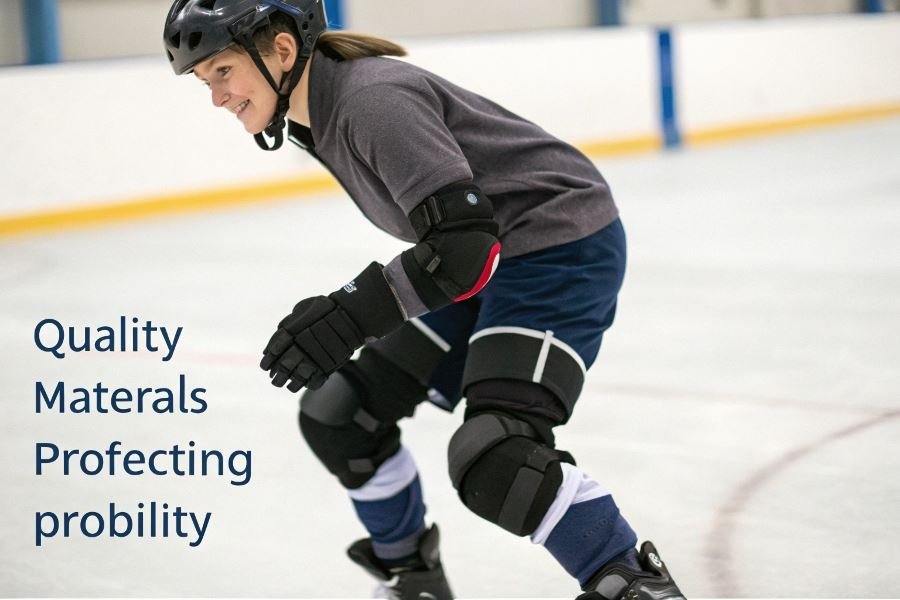
That breathtaking triple axel you witnessed at the Olympics? Behind that seemingly effortless execution lies not just thousands of practice hours, but also strategic protection against the sport’s inherent risks. When a skater launches into the air at 15+ mph and lands on a 4mm steel blade, their safety equipment becomes as crucial as their technical skill.
Figure skating combines artistic expression with athletic prowess, but this beautiful sport comes with significant injury potential. A study published in the Journal of Athletic Training revealed that 70% of competitive figure skaters experience at least one overuse injury annually, with falls accounting for most acute injuries. Protecting yourself isn’t just smart—it’s essential for longevity in the sport.
The invisible shield between glory and injury
The right protective gear creates a critical safety foundation whether you’re a recreational skater or training for competitions. Quality protection doesn’t just prevent injuries—it builds confidence, allowing skaters to push boundaries and attempt more challenging elements knowing they have proper safeguards in place.
Understanding figure skating’s unique risks
Unlike many sports, figure skating presents distinctive hazards:
- Impact injuries from falls onto hard ice
- Cold-related issues affecting muscles and joints
- Ankle and foot trauma from rigid boots
- Head injuries during jumps and spins
Essential protective arsenal
Your comprehensive protection strategy should include:
- Head protection – Specially designed skating helmets
- Padded clothing – Hip, tailbone and knee protection
- Wrist guards – Critical for breaking falls
- Ankle supports – Stabilization for developing skaters
- Thermal protection – Maintaining optimal muscle temperature
Selecting the right combination of these elements creates your personal safety system, allowing you to focus on perfecting that spiral sequence rather than worrying about potential injuries.
Protective Gear Selection Based on Skating Level
Figure skating combines grace with athleticism, but the ice doesn’t forgive mistakes. As skaters progress from wobbly first steps to soaring triple jumps, their protective needs evolve dramatically. Selecting appropriate protective gear for figure skaters requires understanding both the technical demands of their current level and the specific risks they face.
When learning how to choose protective gear for a figure skater, the most important consideration is matching protection to skill level. What works for a beginner will feel restrictive to an advanced athlete, while competition-level protection might not offer enough coverage for someone just starting out. Let’s break down the essential protective equipment needs across different skating levels.
Beginner Skaters Need Full Coverage
Beginners fall. A lot. And that’s perfectly normal! New skaters should prioritize comprehensive protection that safeguards all potential impact points:
Essential gear for beginners includes:
- Padded shorts/hip protectors – Cushions the inevitable falls on hard ice
- Knee pads – Prevents bruising during frequent falls
- Wrist guards – Protects against instinctive “catch yourself” injuries
- Helmet – Critical for head protection, especially for children
Beginners should look for gear with substantial padding without restricting movement. The Triple Eight protective sets offer excellent coverage while maintaining enough flexibility for basic skills practice.
“The best beginners’ protective gear feels invisible when skating but becomes a lifesaver during falls.”
Intermediate Skaters Balance Protection and Performance
As skaters master basic skills and begin working on more challenging elements, their protective needs shift toward strategic coverage:
Recommended intermediate protection:
- Low-profile padded shorts – Protection during jump attempts
- Tailbone protectors – Critical as skaters attempt sit spins and jumps
- Lightweight knee sleeves – Offers protection without bulk
- Specialized wrist protection – Thinner than beginner versions
| Skill Focus | Primary Protection Needed |
|---|---|
| Jumps | Hip/tailbone protection |
| Spins | Knee protection |
| Footwork | Ankle support |
Intermediate skaters should consider Mizuno or McDavid protective gear, which offers excellent protection while maintaining the flexibility needed for more advanced elements.
Advanced Skaters Require Specialized Protection
Elite skaters face specific risks from high-impact jumps and complex spins. Their protective gear becomes highly specialized:
Advanced skater protection focuses on:
- Ultra-thin impact shorts – Hidden protection for competition falls
- Custom-molded guards – Tailored to individual body mechanics
- Compression sleeves – Supports muscles during intense training
- Specialized ankle stabilizers – Prevents injuries during difficult landings
Advanced skaters often choose Bunga Pads or custom-made protection that can be worn under competition costumes without affecting aesthetics or performance.
The most elite skaters may appear to wear minimal protection, but they’re typically using specialized, low-profile gear strategically placed to protect high-risk areas while maintaining complete freedom of movement for technical elements.
Remember that regardless of level, quality protective gear is an investment in both safety and skating longevity. The right protection allows skaters to push boundaries with confidence, knowing they’ve minimized unnecessary risk.
Mastering the Art of Protective Gear Selection
Figure skating combines grace with gravity-defying athleticism, making proper protection non-negotiable. Whether you’re landing axels or perfecting spins, your protective gear stands between you and potential injury. Let’s dive into what truly matters when selecting equipment that won’t let you down when the ice gets unforgiving.
Finding your perfect protective fit
The most advanced padding in the world becomes useless if it shifts during a fall. Proper sizing is the foundation of effective protection. When trying on hip pads, ensure they sit directly over the vulnerable areas without restricting movement through your jumps and spins. Many skaters make the critical mistake of choosing oversized gear thinking it offers more coverage, when in reality, it creates dangerous gaps during impact.
For wrist guards, your fingers should maintain full dexterity while the guard firmly supports the joint. The ideal fit allows you to execute intricate hand movements without compromising protection. Jackson Ultima and Riedell offer sizing charts that account for both wrist circumference and hand length—measurements that make all the difference during falls.
Remember that children’s protective gear requires more frequent sizing checks as they grow, sometimes needing replacement every 6-8 months during growth spurts.
Material matters that separate champions from casualties
| Material Type | Impact Absorption | Flexibility | Temperature Performance |
|---|---|---|---|
| D3O® Technology | Exceptional | High | Maintains properties in cold |
| EVA Foam | Good | Excellent | Can stiffen in extreme cold |
| Polyurethane | Very Good | Moderate | Consistent across temperatures |
| Gel Inserts | Excellent | High | May harden below freezing |
The revolution in skating protection comes from materials that remain soft during normal movement but instantly harden upon impact. D3O® technology has transformed figure skating protection, offering 56% better impact absorption than traditional foam while maintaining the flexibility needed for technical elements.
For knee pads, look for reinforced stitching at stress points and moisture-wicking fabrics that prevent the bacterial growth that comes with sweat accumulation. Mizuno has pioneered antimicrobial treatments that extend gear lifespan while preventing skin irritation during long training sessions.
When to repair and when to replace
Protective gear doesn’t last forever, and knowing when to replace it can prevent injuries that sideline your season. After significant impacts, examine your gear for:
- Compressed padding that no longer rebounds
- Cracks in plastic shells or shields
- Stretched or torn elastic straps
- Visible wear patterns that indicate shifting protection
Most quality protective gear should be replaced after 18-24 months of regular use, even without visible damage, as impact absorption properties deteriorate over time.
For daily maintenance, air-dry your gear after each session rather than using direct heat, which can degrade materials. Remove detachable padding before washing, and use mild soap rather than harsh detergents that break down protective polymers.
Document your gear’s purchase date and create a replacement schedule based on your training intensity. Elite skaters training 20+ hours weekly should inspect gear monthly and replace critical items like hip pads seasonally rather than waiting for visible deterioration.
The difference between adequate protection and exceptional protection often comes down to these details—details that keep you performing confidently when pushing your technical boundaries on the ice.