
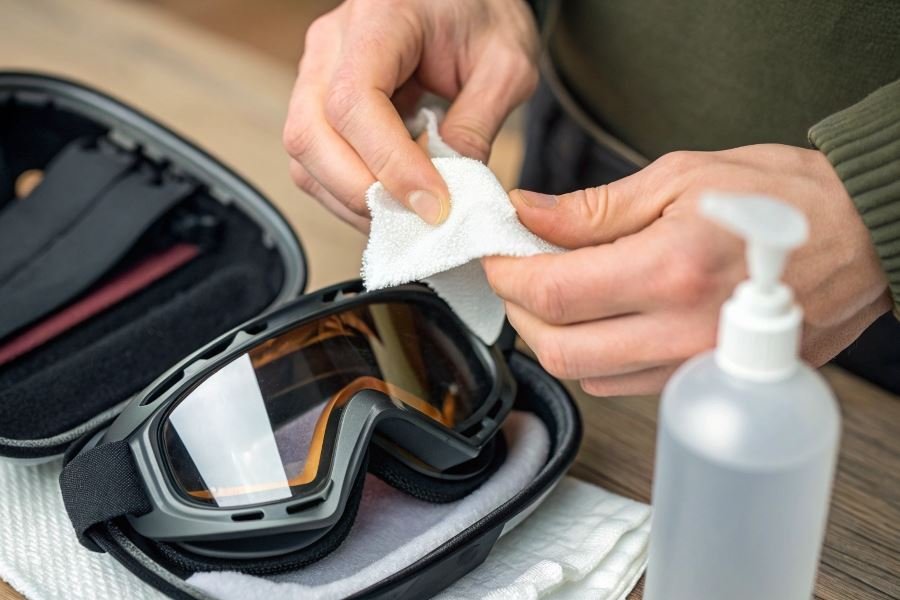
Ever stood at the summit, ready to carve fresh powder, only to realize your goggles are fogging faster than a steam room? That moment of frustration can ruin an otherwise perfect day on the slopes. The culprit? Neglected goggle inserts.
Ski goggle inserts are the unsung heroes of winter sports vision. These specialized lens components work tirelessly to prevent fogging, enhance contrast, and protect your eyes from harmful UV rays. Yet many skiers treat them as an afterthought, leading to compromised performance and shortened lifespan.
Different inserts demand different care. Photochromic inserts that adjust to light conditions require gentle cleaning to preserve their reactive coating. Polarized inserts need special attention to maintain their glare-reduction properties. Meanwhile, thermal inserts with anti-fog technology have their own maintenance requirements to keep functioning optimally.
Your insert care arsenal should include:
- Microfiber cloths (never paper towels or shirt sleeves!)
- Anti-fog solution specifically formulated for ski goggles
- Lens-safe cleaning solution (alcohol-free)
- Proper storage case with ventilation
The difference between properly maintained inserts and neglected ones isn’t just about clarity—it’s about safety. When visibility drops unexpectedly during a high-speed descent, split-second reactions matter. Investing five minutes in proper insert care before and after each session isn’t just maintenance; it’s insurance for your mountain experience.
Daily Care Keeps Your Goggle Inserts Crystal Clear
When you’re carving down fresh powder, the last thing you need is fogged or damaged goggle inserts ruining your visibility. Proper maintenance isn’t just about extending lifespan—it’s about safety on the slopes. Let’s dive into the essential practices that will keep your vision crystal clear run after run.
The fundamentals of how to care for ski goggle inserts revolve around three key areas: handling, cleaning, and storage. Master these, and you’ll not only see better on the mountain but also save money by avoiding frequent replacements. Whether you’re rocking photochromic lenses or polarized inserts, these care techniques apply across the board.
Handle with Care, Not Carelessness
Your goggle inserts are precision optical equipment, not indestructible armor. Always grasp them by the frames, never touching the lens surface with bare fingers. The natural oils from your skin transfer easily and can deteriorate anti-fog coatings over time.
When removing your goggles, use both hands to pull them forward and up—never yank them off by one side. This prevents frame warping that can compromise the seal between your insert and the goggle frame.
Pro tip: Create a “goggle ritual” where you consciously slow down when handling your eyewear. Rushed movements lead to dropped goggles and scratched inserts.
Cleaning Different Insert Types
Different insert materials demand different cleaning approaches:
| Insert Type | Cleaning Solution | Technique | What to Avoid |
|---|---|---|---|
| Standard Plastic | Mild soap, lukewarm water | Gentle dabbing motion | Hot water, alcohol-based cleaners |
| Polarized | Manufacturer’s solution or diluted dish soap | Microfiber cloth in circular motion | Paper products, abrasive cloths |
| Photochromic | Lens-specific cleaner | Light pressure, straight strokes | Household glass cleaners |
Never use your breath to fog up lenses before wiping—this deposits proteins that can damage coatings. Instead, rinse with clean water first to remove particles that might scratch during cleaning.
For stubborn smudges, let the cleaning solution sit for 30 seconds before wiping. Patience prevents the excessive pressure that leads to scratches.
Storage Strategies for Extended Lifespan
Your storage habits determine whether your inserts last one season or five. The cardinal rule: never store goggles with inserts facing down on any surface.
Between runs, use the protective sleeve that came with your goggles. If you’ve lost it, a clean microfiber bag works well. For overnight storage, remove inserts from the main goggle frame to allow complete drying and prevent moisture buildup.
Temperature matters more than you think. Avoid leaving goggles in your car during extreme temperatures. Heat can warp frames and compromise the seal around your inserts, while freezing temperatures can make some insert materials brittle.
Create a dedicated storage space in your gear bag with padding on all sides. This prevents the “I tossed them somewhere” syndrome that leads to crushed or scratched inserts when you’re digging for other equipment.
By implementing these handling, cleaning, and storage practices, you’ll maintain optimal visibility on every run while extending the life of your investment. Your eyes—and your wallet—will thank you.
Troubleshooting and Reviving Your Ski Goggle Inserts
Let’s face it—nothing kills a perfect powder day faster than foggy, scratched, or discolored goggle inserts. Whether you’re carving fresh lines at Aspen or hitting the backcountry at Jackson Hole, your vision is non-negotiable. As someone who’s battled every goggle issue imaginable across three decades of slopes, I’m here to help you diagnose, fix, and maintain those crucial inserts that stand between you and mountain glory.
Conquering the fog monster
Fogging remains the number one enemy of ski goggle inserts. This condensation party happens when warm air (from your face) meets cold air (from the outside world) on your lens surface. Here’s your anti-fog arsenal:
- Never wipe the inside coating: Most premium inserts from Smith or Oakley have anti-fog treatments that you’ll damage with wiping
- Proper ventilation is key: Keep air flowing through vents—never block them with balaclavas or neck gaiters
- Temperature management: Allow goggles to dry completely between sessions and avoid storing them in hot car trunks
Pro tip: If your inserts fog consistently despite proper care, consider a small portable fan designed specifically for drying ski gear overnight.
Battling scratches and abrasions
Scratches aren’t just cosmetic—they compromise optical clarity and can create dangerous glare. Prevention is your best strategy:
Scratch prevention hierarchy:
| Prevention Level | Technique | Effectiveness |
|---|---|---|
| Basic | Microfiber storage pouch | Good |
| Better | Hard case when not in use | Very good |
| Best | Never place goggles lens-down | Excellent |
| Ultimate | Dedicated goggle compartment in backpack | Outstanding |
For minor scratches, specialized polishing compounds like those from Dragon Alliance can sometimes reduce their appearance, but deep scratches typically mean it’s replacement time.
Defeating discoloration
That yellowish tint developing on your once-crystal-clear inserts? It’s typically caused by UV exposure, improper cleaning chemicals, or prolonged exposure to sunscreen oils. To prevent discoloration:
- Store goggles away from direct sunlight when not in use
- Clean only with manufacturer-approved solutions
- Keep sunscreen-covered fingers away from insert surfaces
Once discoloration sets in, it’s usually permanent. Consider it your goggle’s way of telling you it’s ready for retirement.
When to replace your inserts
Inserts aren’t forever, even with perfect care. Here are the non-negotiable signs it’s time for new ones:
- Permanent fogging that persists despite proper cleaning
- Delamination (separation of lens layers)
- Scratches that interfere with vision, especially in flat light conditions
- Significant discoloration affecting color perception
Most quality inserts from manufacturers like Anon or Giro should last 2-3 seasons with proper care, though hardcore riders might need annual replacements.
Professional maintenance options
Sometimes DIY isn’t enough. Professional services can extend your insert life:
- Annual coating renewal: Some specialty shops offer anti-fog coating restoration
- Ultrasonic cleaning: Removes debris from microscopic pores without damaging coatings
- Professional polishing: Can address minor scratches without compromising optical quality
Many premium brands like POC offer service programs where they’ll evaluate and potentially refurbish your inserts for a fraction of replacement cost.
Remember—your goggle inserts are as crucial to your mountain experience as your edges and bindings. Treat them with the same respect, and they’ll keep your vision crystal clear through every epic powder day.