
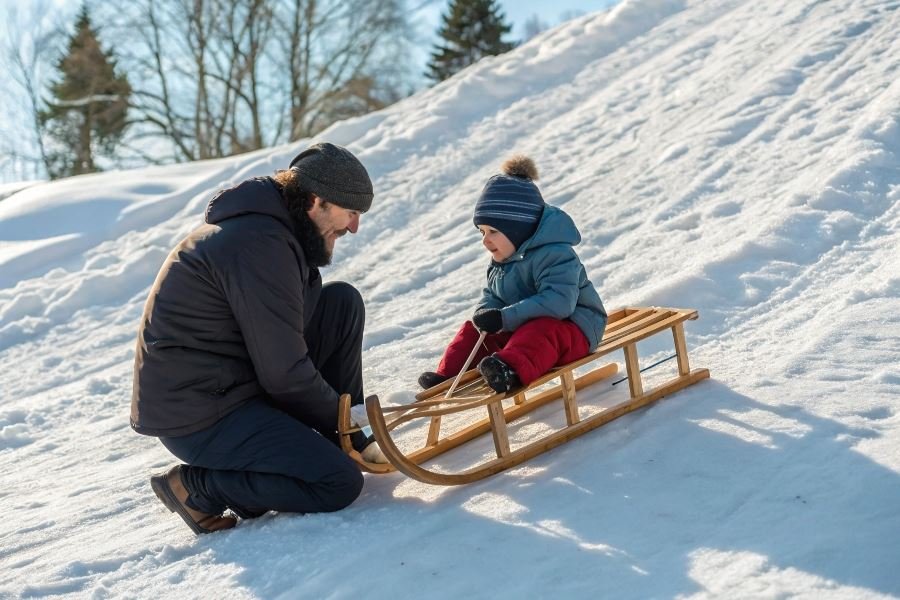
Winter’s first snowfall transforms ordinary hills into magical adventure zones for kids. But that exhilarating rush down a snow-covered slope can quickly turn dangerous without the right equipment. Did you know that emergency rooms treat over 20,000 sledding-related injuries annually in the United States? That’s why choosing the right sled isn’t just about fun—it’s about keeping your little daredevils safe while they create those unforgettable winter memories.
When it comes to selecting the perfect sled for your child, safety should always ride shotgun. Today’s market offers an impressive array of options beyond the classic wooden toboggan. From lightweight plastic discs and foam sliders to steering sleds and inflatable tubes, each design offers different experiences—and different safety profiles. The best choice depends on your child’s age, experience level, and the terrain they’ll be conquering.
Understanding sled types and their safety features
Traditional toboggans provide stability for multiple riders but can reach high speeds. Plastic sleds offer affordability and durability but may crack in extreme cold. Foam sleds reduce impact injuries but sacrifice speed and durability. Steerable sleds with runners and brakes give older children more control on packed snow.
Essential safety considerations before purchase
- Age-appropriate design: Ensure the sled matches your child’s developmental abilities
- Weight capacity: Check manufacturer specifications—overloading leads to breakage and accidents
- Construction quality: Look for smooth edges, sturdy materials, and secure handles
- Maneuverability: Consider how easily your child can control the sled’s direction and speed
- Visibility: Bright colors increase visibility to other sledders on busy hills
Remember, the safest sled is one that matches both your child’s abilities and your sledding environment. The perfect winter adventure awaits—with safety firmly in the driver’s seat!
Essential Safety Features for Child-Friendly Sleds
When winter blankets the neighborhood in snow, sledding becomes an irresistible adventure for kids of all ages. But behind every exhilarating downhill ride should be a thoughtfully chosen sled that prioritizes safety without sacrificing fun. Selecting appropriate sledding equipment requires attention to specific design elements that protect young riders while still delivering winter thrills.
Parents often struggle with how to choose safe sleds for a child amid countless options at sporting goods stores. The key lies in understanding three critical safety components: age-appropriate designs, effective steering mechanisms, and durable construction materials. These elements work together to create a secure sledding experience that grows with your child’s abilities.
Age-Appropriate Designs and Weight Limits
Safety begins with matching the sled to your child’s developmental stage:
Toddlers (Ages 2-4): Look for sleds with high sidewalls, secure seating areas, and tow ropes for parent control. The Radio Flyer Snow Saucer offers excellent stability with its 3-inch sidewalls and 50-pound weight capacity.
Elementary Ages (5-9): Transitional sleds with partial steering capability and moderate speed potential work best. Weight capacities typically range from 150-200 pounds.
Pre-teens and Teens (10+): Full steering capability becomes appropriate, with weight limits extending to 250+ pounds for models designed for older children.
Never exceed manufacturer weight recommendations, as this compromises structural integrity and control capabilities.
| Age Group | Recommended Sled Type | Weight Capacity | Key Safety Features |
|---|---|---|---|
| 2-4 years | Molded plastic with backrest | 40-60 lbs | High sidewalls, parent tow rope |
| 5-9 years | Toboggan or foam slider | 150-200 lbs | Partial steering, moderate speed |
| 10+ years | Steerable sled or tube | 200-250+ lbs | Full steering control, brake systems |
Steering Mechanisms and Control Features
The ability to navigate away from obstacles makes steering one of the most critical safety features:
Pull-rope Steering: Ideal for beginners, these simple systems allow gentle directional control through rope tension. The Flexible Flyer Snow Screamer incorporates an intuitive rope system perfect for younger sledders.
Handle-bar Control: More responsive than rope systems, handle-bars provide immediate directional changes. Look for grips with non-slip materials that work even with mittens.
Foot Steering: Advanced sleds like the Hammerhead Pro XLD feature foot-operated steering that mimics natural body movements for precise control.
Braking Systems: Premium safety sleds include hand-operated brake levers or drag-brake systems that allow speed moderation on steeper hills—an invaluable feature for developing sledders.
Construction Materials and Durability Factors
A sled’s composition directly impacts both safety and longevity:
High-Density Polyethylene (HDPE): The gold standard for modern sleds, HDPE offers excellent impact resistance down to -20°F while remaining lightweight. This material resists cracking even after multiple seasons.
Foam Core Construction: Sleds like the Airhead Classic use closed-cell foam that absorbs impacts while providing insulation from cold snow surfaces.
Runner Materials: Metal runners provide superior control but require proper maintenance to prevent rust. Look for stainless steel or aluminum options with rounded tips to prevent injury during wipeouts.
Connection Points: Examine all rivets, bolts, and connection points for secure attachment and smooth finishing that won’t catch on clothing or cause injury during falls.
The safest sleds incorporate impact-absorbing bumpers at potential contact points and feature no sharp edges or protruding hardware. Remember that durability isn’t just about longevity—it’s about maintaining structural integrity through repeated use in harsh winter conditions.
By prioritizing these essential safety features, you’ll find a sled that delivers winter excitement while keeping your young adventurer protected on every thrilling downhill run.
Sledding Smart: Mastering Your Winter Terrain
Winter transforms ordinary hills into magical sledding wonderlands, but not all snow-covered slopes are created equal. The perfect sled for your child depends heavily on where they’ll be zooming down those frosty inclines. Let’s dive into how environment shapes your sled selection and safety approach!
Snow conditions dictate sled selection
Different snow textures demand different sled designs. On powdery, fresh snow, traditional wooden sleds with metal runners like the Flexible Flyer cut through beautifully, providing superior steering control. For packed, icy conditions, plastic saucers and toboggans offer faster speeds but require more open, obstacle-free terrain due to limited steering capabilities.
For those dealing with variable conditions, consider these terrain-specific options:
| Snow Type | Best Sled Choice | Key Features |
|---|---|---|
| Deep, fluffy snow | Foam sleds | Lightweight, float on powder |
| Icy, compacted snow | Plastic toboggan | Smooth bottom for maximum speed |
| Slushy, wet snow | Steerable sleds | Runners that cut through heavy snow |
| Mixed terrain | Hybrid sleds | Reinforced bottom with steering mechanism |
Remember that weight distribution matters tremendously. Heavier children need sturdier sleds with reinforced bottoms, while lighter kids can enjoy more responsive, lightweight options that won’t sink in deeper snow.
Scoping out sledding spots for safety
Before the first thrilling ride, thoroughly inspect your sledding location. The ideal hill has a gentle slope with a long, flat runout area – never one that ends at a street, parking lot, or body of water.
Look for and remove these common hazards:
- Hidden obstacles beneath snow (rocks, stumps, partially buried fences)
- Thin ice areas near ponds or streams
- Trees and poles in the sledding path
- Crowded sections where collision risks increase
The safest sledding hills have designated sledding zones with uphill climbing areas separate from downhill runs.
Measure your hill’s safety by its visibility factor – can you see the entire run from top to bottom? If not, scout it thoroughly before letting children sled. The best locations offer clear sightlines and natural boundaries that keep sledders contained in safe areas.
Beyond the sled: Essential safety gear
A safe sled is just the beginning. Complete your child’s winter adventure kit with:
- Helmets – not just any helmet, but winter sports helmets that protect against both impact and cold
- Visibility gear – bright clothing or reflective strips for sledding during shorter winter days
- Proper footwear – waterproof boots with excellent traction for climbing hills
- Layered clothing – moisture-wicking base layers under waterproof outerwear
Pro tip: Always pack hand and foot warmers for extended sledding sessions – cold extremities lead to poor coordination and increased accident risk.
Consider adding knee and elbow pads for younger sledders still mastering their technique. Products like Triple Eight protective gear designed for skateboarding work surprisingly well for sledding protection.
Establish clear safety rules before hitting the slopes: no sledding headfirst, always sit facing forward, roll off if headed toward danger, and never sled alone. The safest sledding happens with active adult supervision and regular breaks to assess changing conditions.
By matching your sled to your environment, carefully evaluating sledding locations, and complementing with proper safety gear, you’ll create winter memories that are thrilling – not chilling – for all the right reasons!