
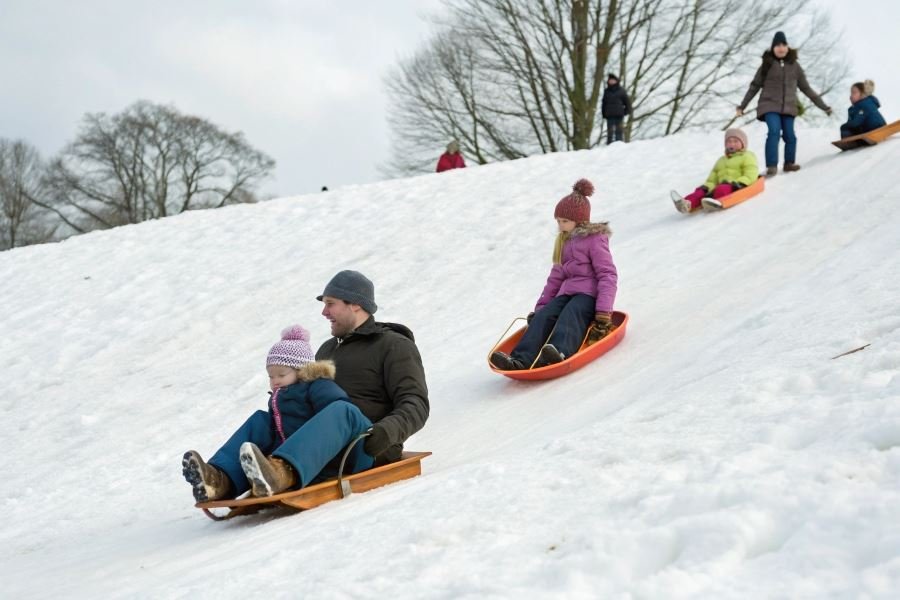
Ever watched a child’s face light up at the first snowfall of the season? That magical moment signals the beginning of sledding adventures that create lifelong memories. But with dozens of options crowding store shelves, finding the right sled for your young thrill-seeker can feel overwhelming.
Winter recreation has evolved dramatically since the days of simple wooden toboggans. Today’s market offers an impressive array of children’s sleds, each with distinct advantages and potential drawbacks depending on your child’s age, your local terrain, and your family’s sledding style. From classic wooden runners to modern foam models, understanding the key differences can transform ordinary snow days into extraordinary winter adventures.
Types of sleds that dominate the slopes
Traditional wooden sleds offer nostalgic charm and impressive durability. These timeless classics feature metal runners that provide excellent control on packed snow, though they’re heavier and typically more expensive than plastic alternatives.
Plastic toboggan-style sleds remain the most popular choice for their affordability and versatility. These lightweight options come in various shapes—from simple rectangular designs to molded versions with handles and brakes.
Inflatable snow tubes deliver maximum speed with minimal learning curve. Their circular design allows for spinning descents that thrill older children, though they offer less steering control than other options.
Foam sliders provide a lightweight, portable alternative that’s perfect for younger sledders. Their soft construction offers added safety, though they typically don’t match the speed of plastic or wooden models.
Selection factors that make all the difference
When evaluating sleds, consider:
- Age appropriateness: Toddlers need sleds with back support and safety straps, while teens crave speed and maneuverability
- Weight capacity: Ensure the sled can support your child (or multiple children if they’ll ride together)
- Storage requirements: Inflatable or folding options save valuable garage space
- Terrain compatibility: Different runners perform better on powder versus packed snow
Safety: Non-negotiable considerations
No matter which sled type catches your eye, prioritize:
- Sturdy construction with no sharp edges or pinch points
- Appropriate steering mechanisms for your child’s age and ability
- Visibility features like bright colors that stand out against snow
- Proper fit that allows your child to maintain control throughout their ride
Remember that even the safest sled requires proper supervision and appropriate sledding locations away from trees, roads, and other hazards.
The Ultimate Guide to Children’s Sleds: Finding Your Perfect Winter Companion
Winter brings a magical transformation to our neighborhoods, turning ordinary hills into thrilling adventure zones for children. Selecting the right sled can make all the difference between an afternoon of joyful memories or frustrated trudging back up the hill. When exploring types of children’s sleds: pros and cons of each type, parents need to consider factors like durability, safety features, and age-appropriateness to make the best choice for their young sledders.
Traditional Toboggan Sleds: The Timeless Classic
Traditional wooden toboggans have remained popular for generations—and for good reason. These elongated sleds with curved fronts offer exceptional stability and control, particularly on packed snow.
Durability advantages:
- Solid wood construction withstands multiple seasons of use
- Can handle heavier weight loads (often 200+ pounds)
- Repairable with basic tools and materials
The steering capabilities of toboggans deserve special mention. Unlike some modern alternatives, toboggans allow riders to steer by shifting their weight or dragging their feet. This makes them ideal for children aged 6 and up who have developed basic coordination skills.
“Toboggans provide that perfect balance between speed and control that growing sledders need to build confidence on the slopes.”
However, traditional toboggans do come with drawbacks—they’re heavier to carry uphill and require more maintenance to prevent wood from warping or cracking.
Plastic Saucer Sleds: Spin-tastic Fun
Plastic saucers have revolutionized sledding with their lightweight design and spin-friendly shape. Weighing typically between 1-3 pounds, these circular discs are perfect for younger children who might struggle with heavier options.
Maneuverability highlights:
- 360-degree spinning capability creates exciting rides
- Minimal learning curve for first-time sledders
- Easy for parents to transport multiple sleds
| Feature | Benefit |
|---|---|
| Concave design | Keeps rider centered during descent |
| Molded handles | Provides secure grip points |
| Smooth bottom surface | Maximizes speed potential |
The terrain limitations of saucer sleds cannot be overlooked. These sleds perform best on gentle, open slopes without obstacles. Their spinning tendency makes them unpredictable on steeper hills, and their shallow design offers little protection from bumps or ice chunks.
Foam Sleds: Comfort Meets Performance
Foam sleds represent the comfort revolution in winter recreation. Constructed from dense, closed-cell foam, these sleds combine lightweight portability with cushioned protection.
Comfort features worth noting:
- Shock-absorbing material reduces impact from bumps
- Warmer to the touch than plastic or metal alternatives
- Naturally buoyant design prevents sinking in deeper snow
Speed considerations vary significantly with foam sleds. While they don’t match the velocity of plastic options on icy surfaces, they excel on fresh powder where other sleds might bog down. Most foam sleds feature slick bottom coatings to enhance glide performance.
The longevity concerns with foam sleds are legitimate but manageable. Quality models from brands like Burton and Lucky Bums incorporate reinforced bottoms and UV-resistant materials to extend their lifespan. Still, expect 2-3 seasons of regular use before noticeable degradation occurs.
For families seeking versatility, foam sleds offer the unique advantage of doubling as comfortable seating during outdoor winter activities—a thoughtful bonus when little legs need a rest between sledding runs.
Making the Right Choice for Winter Fun
Selecting the perfect sled for your child isn’t just about picking the brightest color on the shelf—it’s about matching their winter adventures with the right equipment. After exploring various sled types, let’s bring everything together to help you make that perfect choice that balances fun, safety, and value.
Matching Terrain to Sled Type
Different winter landscapes demand different sled designs:
-
Steep, packed hills call for steering sleds or toboggans with runners. The Flexible Flyer steel runner sleds provide exceptional control when speeds pick up.
-
Powdery, fresh snow is best conquered with wider-base options like plastic toboggans or inflatable tubes that float atop soft surfaces rather than cutting through.
-
Bumpy, varied terrain requires durable plastic sleds with reinforced bottoms—the L.L.Bean Sonic Snow Tube handles these conditions brilliantly while protecting riders from feeling every bump.
-
Gentle slopes and beginner riders pair perfectly with foam sleds or basic plastic discs that offer slower speeds and forgiving experiences.
The terrain dictates the tool—match your local winter landscape to your sled choice and you’ll maximize both safety and smiles.
Budget Breakdown Across Sled Types
Winter fun comes at various price points:
| Sled Type | Price Range | Value Proposition |
|---|---|---|
| Plastic Discs | $10-25 | Affordable, portable, but limited durability |
| Foam Sleds | $20-40 | Lightweight, comfortable, moderate lifespan |
| Plastic Toboggans | $30-70 | Versatile, durable, good family option |
| Inflatable Tubes | $40-100 | Fun factor, storage-friendly, puncture risk |
| Steering Sleds | $80-150 | Control, heritage appeal, multi-season durability |
The sweet spot for most families tends to be in the $40-60 range, where durability meets reasonable cost. However, investing in a higher-quality option like a Mountain Boy Sledworks wooden toboggan might cost more upfront but can become a family heirloom.
Long-term Value and Maintenance Requirements
When considering the long game of winter recreation:
Wooden sleds require the most maintenance—annual sanding and waxing of runners, storage in dry conditions, and occasional refinishing. However, they can last decades with proper care.
Plastic options need minimal maintenance beyond occasional cleaning and crack inspection. Most will last 3-5 seasons of regular use before showing significant wear.
Inflatable tubes demand vigilance against punctures and proper inflation. Their lifespan typically ranges from 2-4 seasons depending on usage frequency and storage conditions.
The maintenance equation matters particularly for families with multiple children. A single high-quality Hammerhead Pro XLD steering sled might serve several children over many winters, making its higher initial cost more reasonable when calculated per ride or per season.
Remember that storage conditions dramatically affect longevity—keeping sleds clean, dry, and out of direct sunlight during off-seasons can double their useful life. A simple wall-mounted storage system in your garage costs under $20 but can add years to your sled’s performance.
The perfect sled balances your local terrain, your budget constraints, and your willingness to perform maintenance. By matching these factors thoughtfully, you’ll ensure countless snow days filled with the kind of winter memories that last far longer than any sled could.