
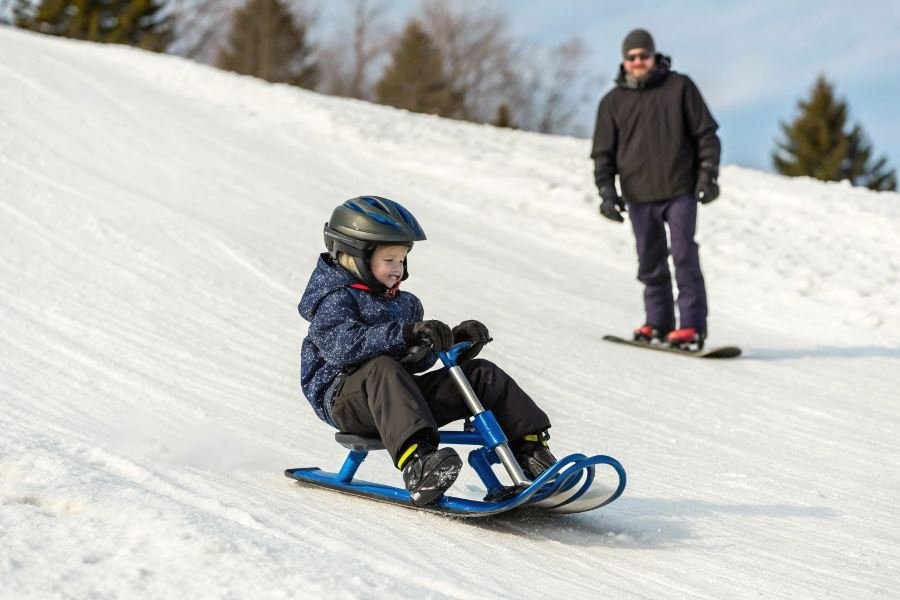
Ever watched a child’s face light up as they zoom down a snow-covered hill? That perfect mix of exhilaration and laughter is priceless—but it starts with choosing the right sled. With countless options crowding store shelves each winter season, making the smart choice matters more than you might think.
Snow sledding isn’t just about fun—it’s about creating memories that last a lifetime while keeping safety front and center. The right sled can mean the difference between an afternoon of joyful runs and a disappointing (or even dangerous) experience cut short.
Safety meets excitement: The balancing act
When selecting a snow sled for your young adventurer, consider three critical factors: age-appropriateness, maneuverability, and durability. Children under five typically need sleds with higher sidewalls and stability features, while older kids might prefer something faster with steering capabilities.
“The best sleds grow with your child’s skills and confidence level, not just their size.”
Sled types decoded
The market offers remarkable variety:
- Plastic toboggan sleds – Lightweight, affordable, and perfect for beginners
- Foam sleds – Softer landings and generally safer for the youngest sledders
- Steerable sleds – Feature handles or steering mechanisms for older children
- Inflatable tubes – Provide cushioned rides but less control on steeper hills
Materials matter tremendously—high-density polyethylene withstands frigid temperatures without cracking, while cheaper plastics might split after just a few outings. Remember that investing an extra $15-20 now often means multiple seasons of use rather than a single-winter wonder.
The perfect sled balances what you need (safety, durability) with what they want (speed, style, and pure winter joy).
Safety Features That Make or Break a Snow Sled
When winter blankets the neighborhood in fresh powder, nothing beats the pure joy of sledding down a perfect hill. But behind that exhilarating rush lies an important parental responsibility: choosing a sled that delivers both thrills and protection. What to pay attention to when buying a children’s snow sled goes far beyond picking the brightest color or coolest design – it’s about finding that sweet spot between fun and safety.
Age-appropriate design matters tremendously
The first rule of sled shopping? Match the equipment to the rider. A sled designed for a 4-year-old won’t cut it for your adventurous 12-year-old, and vice versa.
Weight capacity isn’t just a suggestion – it’s a critical safety specification. Most manufacturers clearly list weight limits, typically ranging from 50 pounds for toddler sleds to 250+ pounds for family models. Exceeding these limits doesn’t just wear out the sled faster; it can compromise structural integrity during those high-speed runs.
Age-appropriate designs also consider sitting position and center of gravity:
| Age Group | Recommended Design | Safety Features |
|---|---|---|
| 2-4 years | Shallow dish sleds with parent handles | Low center of gravity, minimal speed |
| 5-8 years | Toboggan-style with side rails | Moderate speed, some steering capability |
| 9-12 years | Steerable sleds with runners | Better control, moderate braking |
| 13+ years | Performance sleds | Advanced steering, effective brakes |
Steering and braking systems save the day
Let’s talk control – because that’s what separates a safe ride from a wild one. Modern sleds from brands like Flexible Flyer offer impressive steering mechanisms that give kids agency over their direction.
The steering mechanism should match your child’s coordination level. Younger children benefit from simple rope steering, while older kids can handle more responsive systems like steering wheels or leaning mechanisms.
Braking capabilities are non-negotiable for hills with significant slopes. Look for:
- Foot brake systems that drag in snow
- Hand brake levers that provide gradual stopping power
- Drag brake pads on sled runners
These features prevent those heart-stopping moments when a sled heads straight for a tree or street.
Material durability in frigid conditions
When temperatures plummet, inferior materials become brittle and prone to cracking – exactly when you don’t want equipment failure. High-density polyethylene (HDPE) has become the gold standard for modern sleds, offering superior impact resistance even at subzero temperatures.
Avoid sleds with obvious weak points like thin plastic sections or poorly reinforced connection points. Quality sleds from manufacturers like L.L.Bean use molded construction techniques that eliminate these potential failure points.
Cold-weather performance extends to the runners as well. Metal runners provide better control but can rust over time, while plastic runners offer maintenance-free operation but less precision. The best options feature:
- Coated metal runners for rust resistance
- Reinforced attachment points
- Temperature-rated materials (-20°F or lower)
Handle designs that protect little fingers
The humble handle might seem like an afterthought, but it’s actually a critical safety feature. T-shaped handles provide better grip than simple rope pulls, especially with mittens or gloves.
Protective features worth investigating include:
- Recessed handles that prevent pinched fingers during crashes
- Soft-grip materials that remain pliable in cold weather
- Handles positioned to keep hands away from runners or ground
Some premium models from Slippery Racer incorporate padded side rails and front bumpers that absorb impact during inevitable collisions.
Remember that the safest sled combines all these elements into a cohesive design that matches your child’s age, skill level, and the typical sledding conditions in your area. When these safety features align, you’re setting the stage for winter memories that include all the excitement – without the emergency room visits.
Sealing the Deal: Your Ultimate Snow Sled Decision Guide
When the winter wonderland beckons, having the right sled makes all the difference between an epic day on the slopes and a disappointing outing. After considering design, materials, and safety features, it’s time to bring everything together for that final purchase decision.
Quality meets safety meets budget
Finding the sweet spot between quality, safety, and what your wallet can handle doesn’t have to be a compromise. Premium sleds from brands like L.L.Bean and Flexible Flyer typically range from 50 − 120, offeringaircraft − gradematerialsandsuperiorsteeringsystems.Mid − rangeoptions(30-50) from Slippery Racer still deliver excellent safety features without breaking the bank.
The cheapest sled isn’t always the most economical. A $20 difference upfront can mean three extra winters of sledding memories.
When balancing your budget, prioritize non-negotiable safety features like:
- Steering mechanisms
- Secure handholds
- Reinforced construction at stress points
- Age-appropriate design
Remember that a slightly more expensive sled with replaceable runners or parts can actually save money over multiple seasons compared to replacing entire lower-quality sleds annually.
Where the best sleds hide
Finding reliable children’s sleds means knowing where to look:
Specialty outdoor retailers like REI and Dick’s Sporting Goods offer knowledgeable staff who can guide your purchase based on your child’s age, local terrain, and specific needs.
Manufacturer direct purchases often come with better warranties and customer service. Many premium brands like Hammerhead Sleds sell directly through their websites.
Local specialty shops frequently carry region-specific models designed for your area’s typical snow conditions.
| Retailer Type | Pros | Cons |
|---|---|---|
| Big Box Stores | Convenience, lower prices | Limited selection, seasonal availability |
| Specialty Outdoor Retailers | Expert advice, quality selection | Higher prices, fewer locations |
| Online Direct | Widest selection, detailed specs | Can’t physically inspect before purchase |
| Local Shops | Community knowledge, personalized service | May have limited inventory |
Timing your purchase can also make a difference. End-of-season sales (March-April) offer dramatic discounts, while early-season purchases (October-November) provide the best selection.
Extending your sled’s lifespan
A quality sled isn’t just for one winter—with proper care, it becomes a family heirloom:
Post-ride routine: Wipe down your sled after each use, removing snow and ice that can cause warping or cracking when it melts and refreezes. Pay special attention to metal components that might rust.
Storage wisdom: Store your sled hanging horizontally in a cool, dry place—never leaning against a wall where it might warp. Keep it away from direct sunlight which can degrade plastic and fade colors.
Seasonal maintenance: Before each winter, apply a thin coat of paste wax to plastic bottoms for optimal glide and protection. For wooden sleds, check for loose screws and apply a fresh coat of marine-grade varnish every other season.
Repair don’t replace: Keep a small repair kit with epoxy suitable for your sled’s material, replacement hardware, and strong waterproof tape for emergency fixes.
By making an informed purchase decision, knowing where to shop, and committing to simple maintenance, your child’s snow sled will deliver years of downhill thrills—making that initial investment pay dividends in winter memories for seasons to come.