
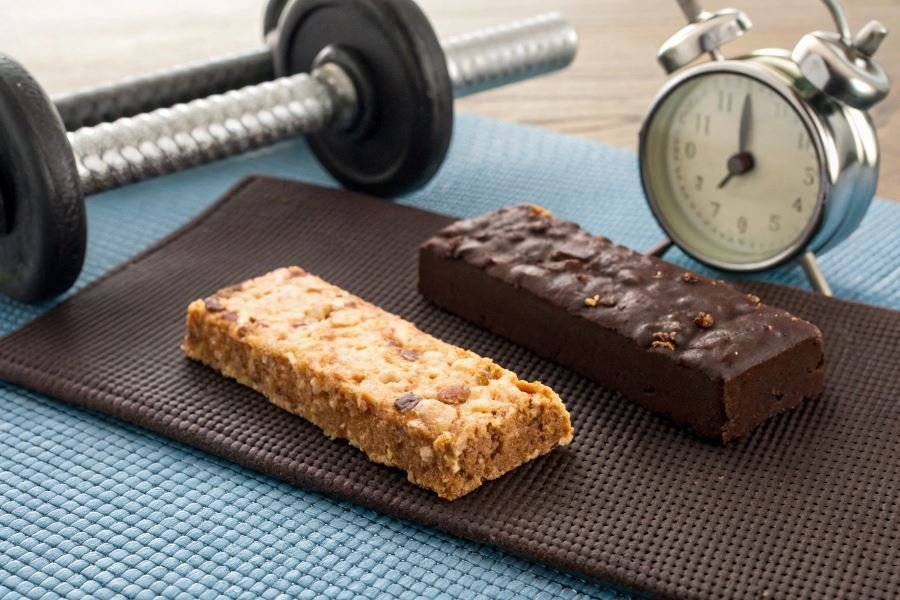
Ever grabbed a protein bar at the gym counter and wondered if you’re making the right choice? You’re not alone. Americans consume over 800 million protein bars annually, yet most fitness enthusiasts remain caught in the crossfire between plant-based and whey protein options.
Plant-based protein bars have revolutionized the supplement landscape, typically combining proteins from pea, rice, hemp, and soy sources. These bars often contain additional nutrients like fiber, antioxidants, and essential fatty acids that complement their protein content. The texture tends to be denser, with earthy flavor profiles enhanced by natural sweeteners like dates or maple syrup.
On the opposite corner stands whey protein bars – the traditional heavyweight derived from milk during cheese production. These bars pack a complete amino acid profile, particularly rich in leucine, the key muscle-building amino acid. Whey bars typically offer a smoother texture and creamier taste profile, though manufacturers often add flavor enhancers and stabilizers to improve palatability.
The protein supplementation market has exploded beyond hardcore bodybuilders to become mainstream nutrition. According to industry reports, protein bar sales have grown by approximately 12% annually since 2018, with both plant and whey varieties seeing significant upticks. This surge reflects our collective understanding that protein isn’t just for bulking up – it’s essential for recovery, metabolism, and overall health maintenance.
What’s driving this protein revolution? The convergence of fitness culture, busy lifestyles, and nutritional awareness has created the perfect environment for convenient protein solutions to thrive.
The Protein Showdown: Science Behind Your Bar Choice
When you tear open that wrapper after a grueling workout, are you getting the muscle-building power you need? The debate between plant-based and whey protein bars continues to intensify as more athletes and active individuals seek optimal nutrition for recovery and performance. Let’s dive into the nutritional science that separates these protein powerhouses.
Amino Acid Architecture
The fundamental difference between plant and whey proteins lies in their amino acid profiles. Whey protein is considered a complete protein, containing all nine essential amino acids your body can’t produce on its own. It’s particularly rich in leucine, the key amino acid that triggers muscle protein synthesis.
When examining plant-based vs whey protein bars: which is more effective for muscle recovery, we need to look at the amino acid composition. Plant proteins often come with limitations – pea protein lacks methionine, while rice protein has lower lysine levels. However, modern plant-based bars frequently combine multiple protein sources (pea + rice + hemp) to create a complete amino acid profile that rivals whey.
The leucine content in whey typically ranges from 10-12% of total protein, while most plant proteins contain 6-8%, requiring higher overall protein content to achieve similar muscle-building effects.
Digestion Dynamics
| Protein Type | Digestion Rate | Leucine Content | PDCAAS Score |
|---|---|---|---|
| Whey Isolate | Rapid (1-2 hrs) | 10-12% | 1.0 |
| Pea Protein | Moderate (2-3 hrs) | 8% | 0.89 |
| Rice Protein | Moderate (2-3 hrs) | 7% | 0.47 |
| Hemp Protein | Slow (3-4 hrs) | 6% | 0.66 |
Whey protein has earned its reputation as the gold standard partly due to its rapid absorption rate. Within 30 minutes of consumption, whey begins flooding your bloodstream with amino acids, creating the perfect environment for muscle recovery.
Plant proteins typically digest more slowly, which some research suggests may actually benefit muscle protein synthesis over longer periods. This slower release creates a more sustained amino acid delivery system that can be advantageous for endurance athletes or those with longer recovery windows.
The Protein Digestibility Corrected Amino Acid Score (PDCAAS) gives whey a perfect 1.0 score, while most plant proteins score between 0.7-0.9, indicating slightly lower digestibility and utilization by the body.
Beyond The Protein
The nutritional value of protein bars extends far beyond their amino acid content. Plant-based options typically deliver:
- Higher fiber content (4-7g vs 0-2g in whey bars)
- Greater antioxidant capacity from plant compounds
- More diverse micronutrient profiles
Meanwhile, whey protein bars often provide:
- Superior calcium content (200-300mg per bar)
- Naturally occurring bioactive compounds like lactoferrin
- Better texture and mouthfeel without additives
Plant-based bars frequently contain beneficial compounds like polyphenols and flavonoids that support recovery through reduced inflammation and oxidative stress. These compounds are entirely absent in whey-based products.
The ideal protein bar choice ultimately depends on your specific training goals, digestive preferences, and overall dietary pattern rather than simply which protein source is “better.”
For those concerned with sustainability and environmental impact, plant proteins generally require fewer resources to produce, though high-quality Orgain and Vega plant-based bars often come with premium price tags compared to whey options like Quest or Pure Protein.
Making the Right Protein Choice for Your Body and Planet
Matching protein to your fitness journey
When choosing between plant-based and whey protein bars, your fitness goals should be your north star. For muscle building, whey protein delivers a complete amino acid profile with higher leucine content—the key trigger for muscle protein synthesis. Research from the Journal of the International Society of Sports Nutrition shows whey protein typically yields 20-25g of protein per serving with rapid absorption rates.
However, plant-based options shine for endurance athletes who benefit from the additional fiber and complex carbohydrates. Many plant proteins like Vega Sport or No Cow bars provide 15-20g of protein while delivering sustained energy through slower digestion patterns.
For those managing weight, consider:
| Protein Type | Calories (avg) | Satiety Effect | Digestive Impact |
|---|---|---|---|
| Whey | 200-250 | Moderate | Can cause bloating for some |
| Plant-based | 180-220 | Higher | Generally easier on digestion |
Your dietary restrictions matter more than trends. If you’re lactose intolerant or have dairy sensitivities, plant-based bars eliminate digestive distress while still supporting recovery needs.
Beyond the body
The protein you choose impacts more than your muscles. The environmental footprint difference is substantial:
Plant-based protein production typically generates 2.5x less carbon emissions than whey protein production. Water usage tells an even more dramatic story—producing whey protein requires approximately 10x more water than creating pea or rice protein.
For the ethically-minded fitness enthusiast, plant proteins offer peace of mind regarding animal welfare concerns. Many companies like Orgain and GoMacro have built their entire business models around sustainable, cruelty-free protein sources.
Smart supplementation strategies
Rather than viewing protein choices as an either/or proposition, consider these practical approaches:
-
Timing matters – Whey protein works exceptionally well post-workout when rapid absorption benefits recovery, while plant proteins excel as meal replacements or pre-bed options.
-
Rotation provides benefits – Cycling between protein types can reduce potential food sensitivities while ensuring diverse nutrient intake.
-
Quality trumps source – Look for third-party tested products with minimal artificial ingredients regardless of protein base.
The best protein bar is the one that aligns with your body’s needs, your performance goals, and your personal values.
For optimal results, pair your protein bars with whole food sources. Even the highest quality supplement should complement, not replace, nutrient-dense foods like legumes, lean meats, or tofu.
Consider creating a protein strategy that evolves with your training cycles. During high-intensity periods, you might benefit from whey’s faster absorption, while plant proteins might better serve recovery phases or endurance-focused training blocks.
The protein debate isn’t about finding a universal winner—it’s about identifying which option best serves your unique combination of fitness goals, dietary needs, ethical considerations, and environmental values.