
Ever wondered why elite athletes recover faster than the rest of us? The secret might be in those small but mighty molecules called amino acids. These building blocks of protein aren’t just supplement industry buzzwords—they’re fundamental to how your body builds muscle, recovers from workouts, and maintains peak performance.
Amino acid supplements have revolutionized recovery protocols for everyone from weekend warriors to Olympic competitors. Whether you’re pushing through a grueling training cycle or simply trying to bounce back between workouts, these supplements deliver essential compounds your body needs but can’t always produce in sufficient quantities.
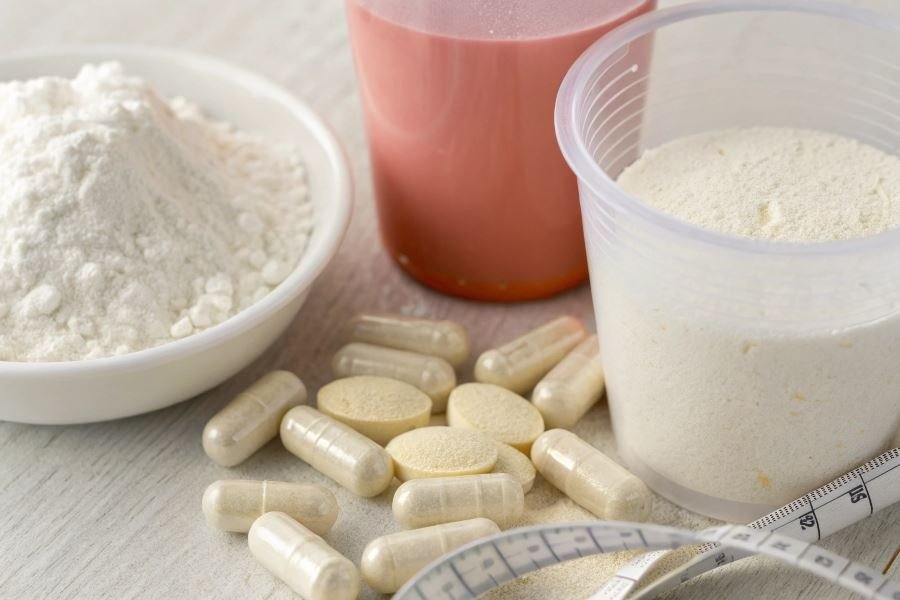
When browsing the supplement aisle, you’ll encounter three distinct delivery systems: tablets that offer convenience, powders providing customizable dosing, and liquid formulations designed for rapid absorption. Each form represents a different approach to the same goal—getting those critical amino acids into your system when you need them most.
The power of amino acids in fitness
Amino acids serve as the foundation for protein synthesis—the process that repairs and builds muscle tissue after exercise. The nine essential amino acids (particularly BCAAs and leucine) can’t be produced by your body, making supplementation valuable for those with intense training schedules or specific recovery needs.
Choosing your ideal delivery system
Your lifestyle, training regimen, and digestive preferences should guide your choice:
- Tablets: Perfect for on-the-go convenience with precise dosing
- Powders: Offer customization and typically cost less per serving
- Liquids: Provide the fastest absorption when immediate recovery is crucial
The best form isn’t universal—it’s the one that fits seamlessly into your routine and delivers results you can feel in your performance.
Form Matters: Choosing Your Amino Acid Delivery System
When it comes to maximizing your training results, amino acid supplements have become a staple in many fitness regimens. The market offers various forms of amino acid supplements: tablets, powder, or liquid, each with distinct advantages depending on your specific needs and lifestyle. Understanding these differences can significantly impact your supplementation strategy and, ultimately, your performance gains.
Absorption Rates: The Speed Factor
The rate at which your body can utilize amino acids varies dramatically between supplement forms:
Liquid aminos reign supreme in the absorption race. They bypass the digestive breakdown process, entering your bloodstream almost immediately—typically within 15-30 minutes after consumption.
Powdered amino acids follow closely behind, requiring minimal digestion and typically reaching peak blood levels within 30-45 minutes.
Tablet forms take the longest route, needing to dissolve in your stomach before absorption can begin, often taking 45-60 minutes to reach full bioavailability.
Bioavailability Insight: Research shows liquid amino acids can achieve up to 98% bioavailability compared to approximately 85-90% for powders and 70-80% for tablets, depending on manufacturing quality.
This absorption difference becomes crucial during specific training windows, particularly in the pre and post-workout phases when your body demands rapid nutrient delivery.
Convenience: Fitting Your Lifestyle
Your daily routine plays a significant role in determining which form works best:
| Form | Portability | Measuring | Taste Control | Shelf Life |
|---|---|---|---|---|
| Tablets | ★★★★★ | No measuring needed | No taste | 2-3 years |
| Powder | ★★★☆☆ | Requires scooping | Customizable | 1-2 years |
| Liquid | ★★☆☆☆ | Pre-measured | Fixed | 6-12 months |
Tablets offer unmatched convenience for travelers and busy professionals. They require no mixing, measuring, or refrigeration, making them ideal for on-the-go consumption.
Powders provide flexibility in dosing and mixing options. You can adjust serving sizes precisely and blend them with various beverages or foods to suit your preference.
Liquid formulations eliminate preparation time but often require refrigeration after opening and are less practical to transport, especially through airport security.
Cost-Effectiveness: Value Per Serving
The economics of amino acid supplementation reveals interesting patterns:
Powder forms typically offer the best value per gram of amino acids, with premium products averaging 0.50−0.75 per serving.
Tablets fall in the middle range, costing approximately 0.75−1.00 per equivalent serving.
Liquid aminos command premium pricing, often 1.50−2.00 per serving, reflecting their convenience and higher manufacturing costs.
However, cost analysis must consider serving size variations. Many powder formulations provide 5-10g of amino acids per scoop, while tablets might deliver only 1-2g per pill, requiring multiple tablets to match a single powder serving.
When calculating true value, factor in your specific amino acid requirements and usage patterns. For those requiring higher doses, powders almost always provide superior economic efficiency despite the higher upfront package cost.
The ideal form ultimately depends on your specific training goals, lifestyle demands, and personal preferences. Many serious athletes maintain multiple forms—liquid for immediate pre/post workout windows, powder for home use, and tablets for travel days—maximizing the benefits of each delivery system.
Find Your Perfect Amino Acid Match: Tablets, Powder, or Liquid
When it comes to amino acid supplements, the delivery method matters just as much as the ingredients themselves. Your training schedule, lifestyle demands, and specific fitness goals all play crucial roles in determining whether tablets, powder, or liquid formulations will serve you best. Let’s break down exactly when each form shines brightest so you can make the most informed choice for your supplementation strategy.
Tablet advantages for the on-the-go athlete
Tablet amino acids offer unmatched convenience for busy individuals who can’t afford to miss their amino acid timing. These compressed powerhouses excel in several scenarios:
- Travel and workplace settings where measuring powder or carrying liquids isn’t practical
- Precise dosing requirements when you need exact amounts without measuring tools
- Supplement stacking when combining with other nutritional supplements in your regimen
Tablets also typically have longer shelf lives than their liquid counterparts, making them ideal for those who don’t use supplements daily but want them available when needed. The controlled release formulations in many tablet amino acids can provide sustained delivery throughout longer training sessions.
Pro tip: Keep a small pill container with your daily amino acid tablets in your gym bag or desk drawer for those days when nutrition timing gets compromised by unexpected schedule changes.
Powder formulations for maximum customization
Powder amino acid supplements dominate the market for good reason—they offer unparalleled flexibility and absorption advantages:
- Intra-workout consumption when mixed with water during training sessions
- Customizable dosing that can be adjusted based on training intensity or body weight
- Flavor variety that makes consistent supplementation more enjoyable
The rapid dissolution of quality amino acid powders allows for faster absorption rates compared to tablets, which must first break down in your digestive system. This makes powders particularly valuable in the crucial post-workout window when nutrient timing matters most.
Mixing versatility represents another significant advantage, as powders can be incorporated into smoothies, protein shakes, or even certain recipes for those who prefer getting their aminos through food-like delivery.
Liquid amino acids for immediate availability
Liquid amino acid supplements provide the fastest route to your bloodstream, making them the preferred choice in specific scenarios:
- Pre-competition fueling when immediate availability is crucial
- Sensitive digestive systems that struggle with breaking down tablets or powders
- Recovery acceleration when rapid amino acid delivery could make the difference
The pre-dissolved nature of liquid aminos eliminates the digestive steps required by other forms, creating a direct pathway to muscle tissue. This makes liquids particularly valuable for fasted training protocols or when training multiple times per day.
Making your selection based on personal factors
| Form | Absorption Speed | Convenience | Dosage Control | Best For |
|---|---|---|---|---|
| Tablets | Moderate | Highest | Precise | Travel, workplace use |
| Powder | Fast | Moderate | Highly customizable | Daily training, mixing versatility |
| Liquid | Fastest | Lowest | Limited | Immediate needs, sensitive digestion |
Your ultimate choice should align with your specific training demands, lifestyle constraints, and supplementation goals. Many serious athletes maintain multiple forms—tablets for travel days, powder for daily training, and liquid for competition or particularly intense sessions.
Remember that the best amino acid supplement is ultimately the one you’ll take consistently. Choose the form that integrates most seamlessly into your routine, and you’ll be well on your way to maximizing your amino acid benefits.