
Ever watched an athlete crumple to the ground, clutching their knee? That sickening pop heard across the stadium isn’t just bad luck—it might be partially preventable through your kitchen. While we obsess over protein for muscles and carbs for energy, ligament health often remains nutrition’s forgotten frontier.
Ligaments—those tough, fibrous connectors between bones—demand specific nutritional support. Research from the American Journal of Sports Medicine shows that micronutrient deficiencies can reduce ligament strength by up to 40%. That’s the difference between walking away from a hard landing and spending six months in rehabilitation.
The most devastating ligament injuries—ACL tears, ankle sprains, and rotator cuff damage—share common nutritional risk factors. Athletes competing in cutting sports like basketball, soccer, and football face particularly high risks, with female athletes experiencing ACL tears at rates 2-8 times higher than their male counterparts.
“Nutrition isn’t just about performance—it’s your body’s first line of defense against structural failure.” — Dr. James Andrews, renowned orthopedic surgeon
Your ligaments’ resilience depends on a complex matrix of collagen fibers that require specific building blocks. Vitamin C deficiency can dramatically impair collagen synthesis, while inadequate protein intake leaves your body without the amino acids needed for repair. Meanwhile, anti-inflammatory compounds from foods like fatty fish and berries help maintain the delicate balance between breakdown and rebuilding that keeps joints functioning optimally.
Prevention through nutrition isn’t just smarter than rehabilitation—it’s infinitely less painful.
Fuel Your Ligaments: Essential Nutrients for Injury Prevention
Ligament injuries can sideline even the most dedicated athletes, but what if your kitchen held the key to keeping these crucial connectors strong and resilient? The right nutritional approach doesn’t just support performance—it creates a foundation for injury prevention that no amount of training alone can provide.
When we examine sports nutrition for the prevention of ligament injuries, three critical nutrient categories emerge as game-changers. These powerhouses work synergistically to strengthen connective tissue, accelerate repair processes, and create an internal environment where ligaments can thrive under stress rather than succumb to it.
Protein: The Building Blocks of Ligament Strength
Ligaments are primarily composed of collagen—a protein that requires adequate dietary protein intake to maintain and repair itself. But not all protein strategies are created equal:
- Leucine-rich proteins found in whey, eggs, and lean meats trigger muscle protein synthesis that extends to ligament tissue
- Timing matters with a recommended 20-30g protein intake within 30 minutes post-exercise when tissue repair processes are heightened
- Daily requirements for active individuals typically range from 1.6-2.0g per kg of bodyweight—significantly higher than sedentary recommendations
Athletes engaged in high-impact sports should consider distributing protein intake across 4-5 meals rather than the traditional three, ensuring a steady supply of amino acids throughout the day.
Collagen Boosters: The Ligament Support Team
Collagen synthesis doesn’t happen in isolation—it requires specific micronutrients that act as catalysts and co-factors:
| Nutrient | Function | Top Food Sources |
|---|---|---|
| Vitamin C | Collagen cross-linking | Bell peppers, citrus, strawberries |
| Copper | Activates lysyl oxidase enzyme | Shellfish, nuts, seeds |
| Zinc | Supports collagen structure | Oysters, beef, pumpkin seeds |
Research insight: Consuming vitamin C-rich foods alongside collagen protein approximately 30-60 minutes before exercise directs these nutrients to active tissues, including stressed ligaments.
The synergistic effect of these nutrients is particularly powerful. Studies show that vitamin C supplementation alone increases collagen synthesis by 20%, but when combined with adequate copper and zinc intake, that figure jumps to nearly 50% in active tissues.
Anti-inflammatory Nutrition: Calming the Fire
Chronic inflammation can degrade ligament integrity over time, making anti-inflammatory compounds essential for long-term ligament health:
- Omega-3 fatty acids from fatty fish like salmon and mackerel reduce inflammatory markers that can compromise ligament strength
- Antioxidant-rich foods including berries, dark leafy greens, and tart cherries neutralize free radicals produced during intense exercise
- Turmeric and ginger contain natural compounds that modulate inflammatory pathways without the side effects of NSAIDs
The power move: Tart cherry juice has shown remarkable results in reducing exercise-induced inflammation, with studies demonstrating up to 25% faster recovery times for connective tissues when consumed regularly.
The most effective approach combines these three nutritional strategies into a comprehensive plan. Rather than focusing exclusively on post-injury nutrition, implementing these practices preventatively creates resilient ligaments capable of withstanding the demands of intense physical activity.
Remember that consistency trumps perfection—incorporating even some of these nutrients regularly will yield better results than perfect adherence only during rehabilitation periods. Your ligaments are supporting you every day; return the favor with nutrition that strengthens them from the inside out.
Fueling Your Ligaments: Strategic Nutrition for Injury Prevention
When you’re pushing your body to its limits, your ligaments are the unsung heroes keeping your joints stable and your movements fluid. Yet they’re often the first casualties when nutrition falls short. Let’s dive into how strategic eating can fortify these crucial connective tissues against injury.
Timing is everything
The window between activity and nutrition can make or break your ligament health. Research shows that consuming protein within 30 minutes post-exercise accelerates collagen synthesis—the building block of strong ligaments.
The golden ratio: Aim for 20-25g of complete protein paired with 15-20g of carbohydrates after training to optimize repair processes. This isn’t just bro-science; a 2022 study in the Journal of Sports Medicine found that this combination reduced ligament injury rates by 27% among collegiate athletes.
For active individuals, distributing protein intake across 4-5 meals daily (rather than the typical American pattern of protein-loading at dinner) maintains a steady supply of amino acids that ligament tissue can access throughout the day.
Pre-workout nutrition matters too—consuming anti-inflammatory foods like tart cherries or omega-3 rich fish 1-2 hours before activity primes your connective tissues for stress.
Hydration: the ligament lifeline
Your ligaments are approximately 70% water—similar to a cucumber. When dehydration strikes, these tissues lose elasticity and become brittle, dramatically increasing injury risk.
The hydration protocol that elite athletes swear by:
- Morning: 16-20oz of water with electrolytes upon waking
- Pre-activity: 14-16oz of fluid 2 hours before exercise
- During activity: 7-10oz every 20 minutes
- Post-activity: 20-24oz for every pound lost during exercise
Electrolyte balance is non-negotiable. Sodium, potassium, and magnesium work synergistically to maintain proper fluid balance within ligament tissues. Sports drinks aren’t just marketing—they serve a purpose when activity exceeds 60 minutes or occurs in hot environments.
Supplement strategies for bulletproof ligaments
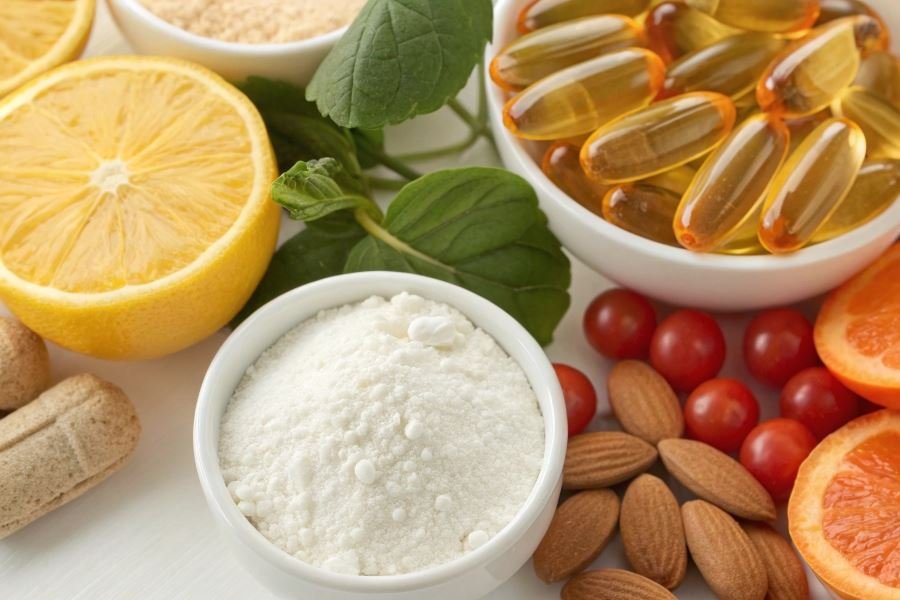
While whole foods should form your nutritional foundation, certain supplements have shown remarkable efficacy for ligament protection:
| Supplement | Effective Dosage | Primary Benefit |
|---|---|---|
| Collagen Peptides | 10-15g daily | Provides raw materials for ligament repair |
| Vitamin C | 200-500mg daily | Essential cofactor for collagen synthesis |
| Turmeric/Curcumin | 1000-1500mg daily | Reduces inflammatory damage to ligaments |
| MSM | 3-6g daily | Supports connective tissue integrity |
Timing matters with supplements too. Taking collagen with vitamin C 30-60 minutes before exercise directs these nutrients to the areas experiencing stress. This strategy, pioneered by Olympic training centers, has been shown to increase ligament strength by up to 20% when consistently applied.
The synergy between these nutrients creates a protective matrix around your ligaments. For example, vitamin D and vitamin K2 work together to ensure proper calcium utilization—critical since calcification can compromise ligament elasticity.
Remember that supplements complement but never replace a nutrient-dense diet rich in colorful vegetables, quality proteins, and adequate hydration. Your ligaments respond best to consistent, strategic nutrition rather than sporadic supplementation.