
Ever wondered why that spring in your step isn’t quite as springy anymore? For millions of men hitting their 30s and beyond, the answer might be flowing through your veins—or rather, not flowing enough. Testosterone, that powerful hormone that does far more than just build muscle, begins its steady decline around age 30, dropping approximately 1% each year thereafter.
Testosterone isn’t just about biceps and bench presses. This crucial hormone influences everything from bone density and fat distribution to cognitive function and mood regulation. It’s the cornerstone of metabolic health, sexual function, and overall vitality—essentially, it helps make you feel like you.
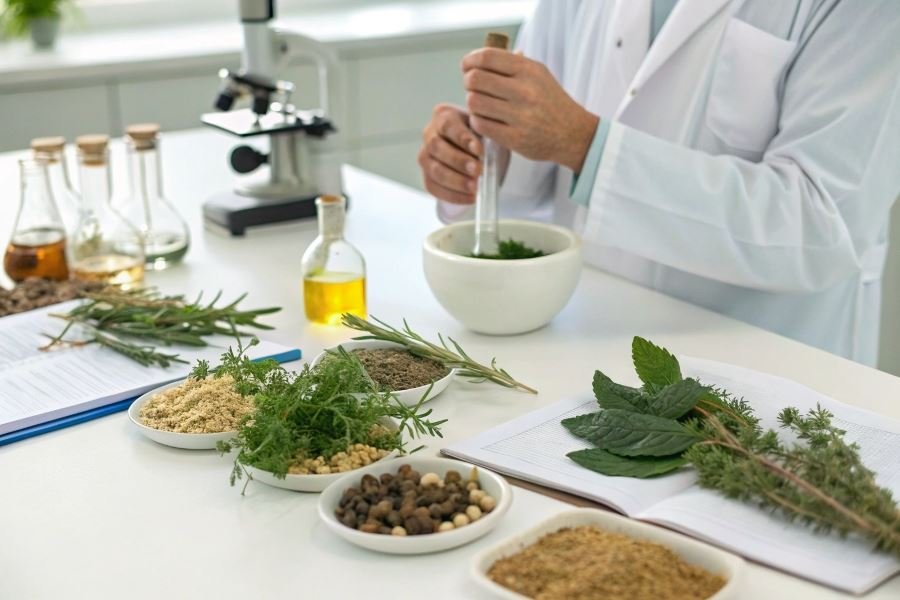
Natural testosterone boosters have surged in popularity as men seek alternatives to synthetic hormone replacement therapy. These supplements—typically containing ingredients like ashwagandha, fenugreek, and zinc—promise to stimulate your body’s own testosterone production rather than introducing external hormones.
“The appeal is understandable,” notes Dr. James Wilkins, sports endocrinologist. “When your testosterone levels are optimized naturally, you’re supporting your body’s inherent processes rather than potentially disrupting them.”
But do these natural approaches actually deliver results? The research shows a nuanced picture. While certain compounds have demonstrated modest but measurable effects in clinical studies, others remain in the realm of locker room mythology. The key lies in understanding which ingredients have scientific backing and which are merely marketing hype.
What Science Really Says About Natural T-Boosters
When it comes to natural testosterone boosters, separating fact from fiction requires diving into the research rather than trusting flashy marketing claims. The supplement industry has exploded with products promising to elevate your testosterone levels naturally, but do these claims hold up under scientific scrutiny?
The effectiveness and safety of natural testosterone boosters depends entirely on their ingredients and your individual health status. While pharmaceutical options like testosterone replacement therapy (TRT) offer clinically verified results, many men seek natural alternatives first—either due to concerns about side effects or because they don’t qualify for medical intervention. Let’s examine what the research actually tells us about the most popular ingredients.
Ashwagandha: The Adaptogen Champion
Ashwagandha stands out among natural testosterone supporters with impressive clinical backing. A 2019 systematic review published in the Journal of Ethnopharmacology found that ashwagandha supplementation significantly increased testosterone levels compared to placebo groups. Most notably, a randomized controlled trial showed that men taking 600mg of ashwagandha daily for 8 weeks experienced:
- 15-21% increase in testosterone levels
- 167% increase in sperm count
- Significant improvements in strength and recovery
The adaptogenic properties of ashwagandha appear to work by reducing cortisol—the stress hormone that can suppress testosterone production when chronically elevated.
Fenugreek: Mixed Results Worth Considering
Fenugreek has generated both excitement and skepticism in the scientific community. A 2017 study published in the International Journal of Sport Nutrition and Exercise Metabolism found that 500mg daily supplementation resulted in:
| Measurement | Fenugreek Group | Placebo Group |
|---|---|---|
| Free Testosterone | +12.26% | -1.09% |
| Bioavailable Testosterone | +12.43% | -1.31% |
| Strength Gains | +1.77% | +0.55% |
However, other studies show more modest effects, suggesting fenugreek may work better for some individuals than others.
Micronutrient Foundation: Zinc and Vitamin D
The research on zinc and vitamin D presents perhaps the clearest picture: these aren’t testosterone “boosters” so much as essential nutrients that prevent testosterone suppression when deficient.
A landmark study in Nutrition found that zinc-deficient men who supplemented with zinc saw their testosterone levels nearly double—but men with adequate zinc levels experienced no significant change. Similarly, vitamin D supplementation only raises testosterone in men with existing deficiencies, which affects approximately 42% of Americans according to recent epidemiological data.
Realistic Expectations vs. Supplement Marketing
The most important scientific insight? Natural supplements cannot match pharmaceutical interventions in magnitude of effect. While TRT typically increases testosterone levels by 300-500%, even the most effective natural supplements typically deliver:
- 5-20% increases in total testosterone
- 10-15% increases in free testosterone
- Modest improvements in related biomarkers
These effects, while statistically significant, may not be enough to create dramatic physical changes for everyone—especially those without underlying deficiencies.
Safety profile comparison reveals natural options generally cause fewer side effects than pharmaceutical testosterone, but they’re not risk-free. Fenugreek may cause digestive discomfort, while excessive zinc supplementation can interfere with copper absorption and immune function.
The evidence suggests that natural testosterone support works best as part of a comprehensive approach that includes proper sleep, resistance training, stress management, and addressing nutritional deficiencies—rather than relying on supplements alone.
Maximizing Natural Testosterone: Your Complete Action Plan
Finding Your Optimal Dosage
Natural testosterone boosters come with their own playbook. Ashwagandha, one of the heavy hitters, typically shows results at 300-600mg daily, with research from the Journal of the International Society of Sports Nutrition demonstrating strength improvements at these levels. Fenugreek extract works best at 500-600mg daily, while D-Aspartic Acid might require 2-3g for maximum effectiveness.
Timing matters as much as amount. Most adaptogens like ashwagandha work better when taken consistently rather than sporadically. Zinc and magnesium supplements (often found in ZMA formulations) show better absorption when taken before bed on an empty stomach.
Side effects exist but remain minimal compared to synthetic alternatives. Fenugreek occasionally causes digestive discomfort or a maple-syrup body odor. Tribulus terrestris might trigger mild stomach upset in some users. The most common complaint? Nothing happening – which often stems from unrealistic expectations about transformation speed.
Lifestyle Amplifiers That Multiply Results
Your supplement strategy is only as good as the foundation it’s built on. The testosterone trifecta – sleep, exercise, and stress management – can multiply or nullify your supplement efforts.
Sleep quality trumps almost everything else. A groundbreaking study in the Journal of the American Medical Association showed that just one week of restricted sleep (5 hours nightly) reduced testosterone levels by 10-15% in healthy men. Aim for 7-9 hours of quality sleep with these enhancement strategies:
- Temperature control (65-68°F/18-20°C bedroom)
- Blue light elimination 90 minutes before bed
- Consistent sleep/wake schedule, even weekends
Resistance training creates the perfect hormonal environment for natural boosters. Compound movements like squats, deadlifts, and bench presses stimulate more testosterone production than isolation exercises. The sweet spot? 30-45 minute sessions focusing on heavy weights (70-85% of your one-rep max) with adequate recovery between workouts.
The most powerful testosterone booster might be what you remove, not what you add. Chronic stress floods your system with cortisol, testosterone’s natural antagonist.
When Professional Guidance Becomes Essential
Self-experimentation has limits. Consult healthcare providers if:
- You experience persistent fatigue despite supplementation
- You’re over 40 and symptoms suggest clinical hypogonadism
- You have pre-existing conditions (especially liver, kidney, or prostate issues)
- You’re taking medications that might interact with supplements
A comprehensive hormone panel provides your baseline and helps track progress. Beyond testosterone, request estradiol, SHBG, and free testosterone measurements for the complete picture.
The Long Game: Monitoring and Adjusting
Natural testosterone optimization isn’t a sprint – it’s an ultramarathon. Establish these monitoring practices:
| Timeframe | What to Track | Why It Matters |
|---|---|---|
| Weekly | Energy levels, workout performance | Early indicators of effectiveness |
| Monthly | Body composition, recovery time | Medium-term hormonal impacts |
| Quarterly | Blood work (testosterone, free T, SHBG) | Objective measurement of progress |
Cycle your supplements. Even effective boosters can lose potency as your body adapts. Consider 8-week on, 2-week off cycles, or rotating between different supplement stacks quarterly.
The most successful testosterone optimization plans evolve with your body’s responses. Document everything – sleep quality, supplement timing, workout intensity – to identify what truly works for your unique physiology. This personalized approach transforms good results into exceptional ones.