
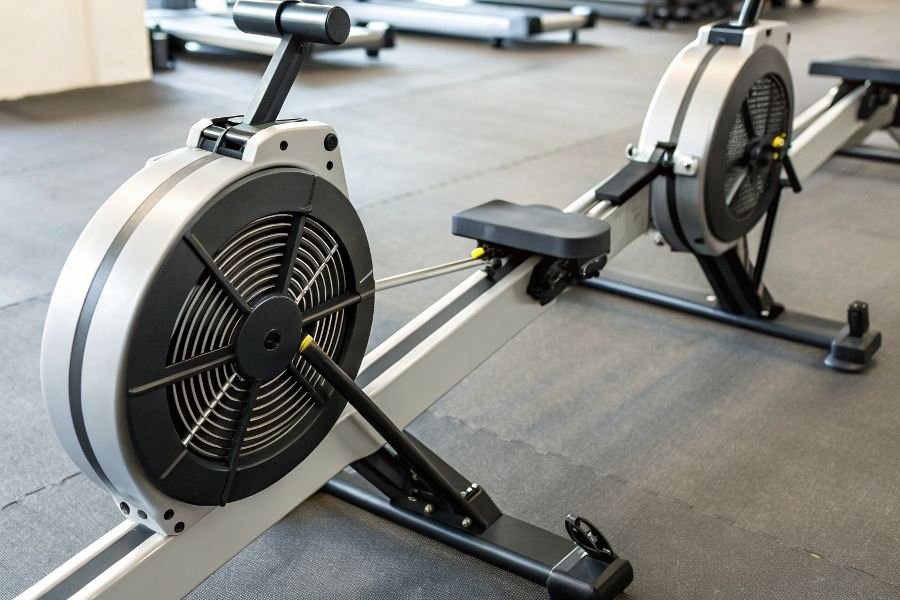
Ever wondered why some rowing machines feel like you’re gliding through silk while others make you work for every inch? The secret lies in their resistance mechanisms—and choosing between magnetic and hydraulic could make or break your fitness journey.
Rowing machines have quietly revolutionized home fitness, delivering one of the most complete full-body workouts available. These powerhouses engage 86% of your muscles while remaining remarkably gentle on your joints. Unlike treadmills that hammer your knees or stationary bikes that leave your upper body untouched, rowing machines create a symphony of movement that builds strength and cardiovascular endurance simultaneously.
When exploring the magnetic versus hydraulic rowing machine debate, you’re essentially choosing between two fundamentally different approaches to resistance. Magnetic systems use the invisible force of magnetism, creating smooth, consistent resistance that remains whisper-quiet throughout your workout. Hydraulic systems, meanwhile, harness the power of fluid dynamics—typically oil in cylinders—to generate resistance that intensifies as you row harder.
But here’s the crucial part: your perfect rowing machine isn’t universal. Your living space, fitness goals, and even your personality should guide this decision. A compact apartment might demand the space-saving design of a hydraulic rower, while someone craving that authentic water-rowing experience might gravitate toward the consistent feel of magnetic resistance.
The right choice transforms a rowing machine from mere equipment into your fitness ally—one that keeps you coming back day after day, stroke after stroke.
Magnetic vs Hydraulic Rowing Machines: The Ultimate Showdown
The Battle of Resistance Mechanisms
When you hop on a rowing machine, what you’re really buying is the feeling of cutting through water with every stroke. The resistance mechanism is the beating heart of this experience. Magnetic rowers use powerful magnets that create resistance as they move closer to a metal flywheel—delivering that smooth, consistent pull that mimics the steady resistance of open water. The beauty? You can adjust resistance with the push of a button, no interruptions needed.
Deciding between magnetic vs hydraulic rowing machines: which is better ultimately comes down to your specific training goals and environment. Hydraulic machines use pistons filled with air or fluid that compress as you row, creating resistance that intensifies throughout your stroke. This variable resistance can be fantastic for building explosive power, but it also means the resistance feels different at the beginning versus the end of each pull.
Workout experience translation: Magnetic systems offer that buttery-smooth, consistent resistance that serious rowers crave, while hydraulic systems provide a more variable, sometimes challenging resistance pattern that can heat up during extended sessions.
Noise, Maintenance, and Longevity
Ever tried working out at 5 AM without waking the household? Magnetic rowers are the ninjas of the rowing world—whisper-quiet with minimal moving parts. The Concept2 RowErg might make some whooshing sounds, but it’s nothing compared to the hydraulic hiss and squeak concert.
Hydraulic machines require more frequent maintenance checks:
- Piston seals need regular inspection
- Fluid levels must be monitored
- Moving parts require lubrication
Magnetic systems? Just dust occasionally and check the monitor batteries.
Durability differences are striking. Magnetic rowers typically last 7-10+ years with minimal issues, while hydraulic models often show wear around the 3-5 year mark as seals deteriorate and pistons lose efficiency.
Space Considerations for Real Homes
| Rower Type | Footprint In Use | Storage Options | Height When Stored |
|---|---|---|---|
| Magnetic | 8’ x 2’ (typical) | Many fold vertical | 6-7’ tall |
| Hydraulic | 4-5’ x 1.5’ (typical) | Some fold flat | 8-10″ tall |
Hydraulic rowers win the apartment-friendly contest hands down. Models like the Sunny Health & Fitness SF-RW1205 can slide under a bed when not in use. Magnetic rowers like the NordicTrack RW900 offer vertical storage but still command significant floor space even when folded.
Price and Value: The Investment Breakdown
The financial spectrum is wide:
- Entry-level hydraulic rowers: $100-300
- Mid-range hydraulic options: $300-500
- Basic magnetic systems: $300-700
- Premium magnetic rowers: $700-2,500
Value assessment: Hydraulic machines offer an accessible entry point, but magnetic systems deliver substantially more value over time. The initial $400 difference can translate to an additional 5+ years of use, smoother operation, and a more consistent workout experience.
When calculating true value, consider the cost-per-workout over the machine’s lifespan. A $1,000 magnetic rower used 3 times weekly for 8 years costs about $0.80 per session—less than the protein shake you’ll drink afterward.
The verdict? Hydraulic machines make sense for occasional users with tight spaces and budgets, while magnetic systems represent the gold standard for serious fitness enthusiasts committed to rowing as a cornerstone of their training regimen.
Magnetic vs Hydraulic Rowing Machines: Finding Your Perfect Match
Let’s cut to the chase—choosing between magnetic and hydraulic rowing machines isn’t just about which technology sounds cooler. It’s about matching the right machine to your specific fitness goals, space constraints, and workout style. After breaking down the mechanics and features of both types, it’s time to deliver the verdict on which rower deserves a spot in your home gym.
When magnetic rowing machines shine brightest
Magnetic resistance systems have become the darlings of the indoor rowing world for good reason. They excel in several key scenarios:
Consistent, long-duration training sessions – The smooth, consistent resistance of magnetic rowers makes them ideal for endurance athletes and those following structured training programs. The resistance remains steady regardless of how fast you row, allowing for precise workout control.
Noise-sensitive environments – Living in an apartment or working out early morning while others sleep? Magnetic rowers operate with a whisper-quiet smoothness that won’t disturb your neighbors or sleeping family members.
Tech-savvy fitness enthusiasts – Most advanced rowing apps and interactive training programs are designed for magnetic rowers with their digital resistance systems. If you’re looking to join virtual rowing classes or track detailed metrics, magnetic is your go-to.
Multiple household users – The easily adjustable resistance levels (often with 16+ settings) make magnetic rowers perfect for households where different people with varying fitness levels share equipment.
When hydraulic rowers make perfect sense
Don’t count hydraulic rowers out of the game! These compact powerhouses deliver exceptional value in specific situations:
Ultra-compact living spaces – Many hydraulic rowers can fold to closet-width dimensions or even slide under a bed. If your living situation measures in square feet rather than square yards, hydraulic models offer genuine space efficiency.
Budget-conscious buyers – With entry models starting around $200 compared to $500+ for quality magnetic systems, hydraulic rowers deliver the fundamental rowing experience without breaking the bank.
Supplemental training equipment – For those who row as just one component of a varied fitness regimen, hydraulic rowers provide effective resistance training without the investment of a premium machine.
Rehabilitation and low-impact exercise – The adjustable, often independent arm resistance of hydraulic rowers makes them excellent for physical therapy and gradual strength building.
Top performers in each category
Magnetic marvels worth your attention
-
Concept2 Model D – The gold standard in rowing machines used by Olympic athletes. Air-magnetic resistance, exceptional durability, and the most accurate performance tracking available ($900-1,000).
-
NordicTrack RW900 – Interactive training powerhouse with a 22″ HD touchscreen, iFit compatibility, and 26 digital resistance levels for precision training ($1,599).
-
Sunny Health & Fitness Magnetic Rowing Machine – The budget-friendly magnetic option with 8 resistance levels and LCD monitor that doesn’t sacrifice essential features ($299).
Hydraulic heroes that deliver
-
Stamina Body Trac Glider 1050 – Compact footprint with gas-shock resistance and surprisingly natural rowing motion for under $150.
-
Sunny Health & Fitness Hydraulic Rowing Machine – Ultra-affordable entry point with 12 adjustable resistance levels and comfortable seat ($85-110).
-
Kettler Favorit Rowing Machine – German-engineered hydraulic system with biomechanically correct rowing motion and industrial-grade hydraulic pistons ($499).
The perfect rowing machine ultimately depends on your specific situation—space constraints, budget, fitness goals, and training preferences. Magnetic systems offer premium performance for dedicated rowers, while hydraulic models provide accessible entry points for casual users and those with space limitations. Choose the technology that aligns with your unique fitness journey.