
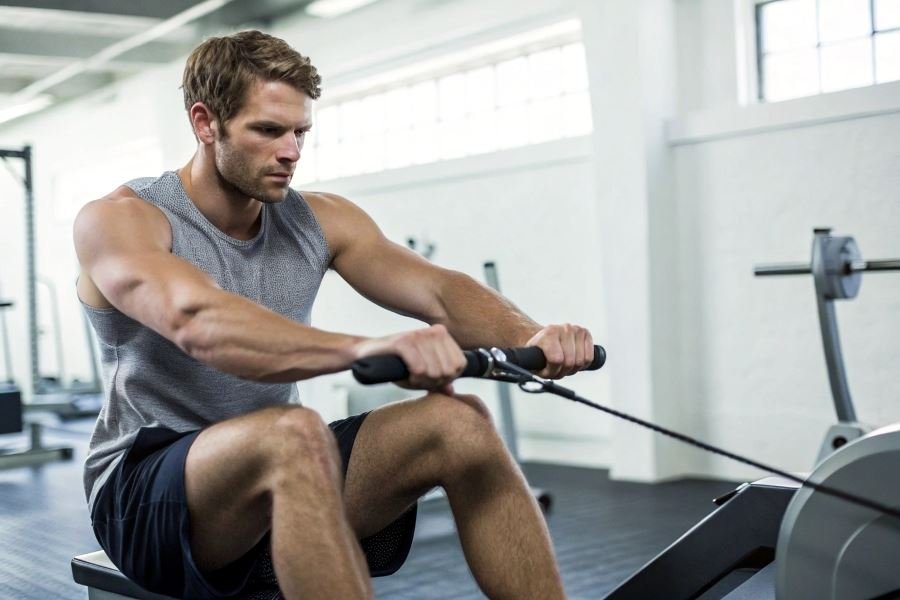
Ever watched Olympic rowers slice through water with seemingly effortless power? That same feeling is available to you—if you know how to dial in your rowing machine’s resistance correctly. The difference between a transformative workout and wasted effort often comes down to one simple factor: proper load adjustment.
When you step onto a rowing machine, you’re not just pulling a handle—you’re engaging in a full-body symphony that can activate 86% of your muscles when performed correctly. But the conductor of this symphony? That’s the resistance setting you choose.
Rowing machines come in four distinct flavors, each with their own resistance personality. Air resistance rowers create that satisfying whoosh as you pull, increasing resistance naturally as you row harder. Magnetic resistance offers whisper-quiet workouts with precise digital control. Water rowers deliver the authentic feel of actual rowing with the meditative sound of splashing water. And hydraulic rowers, the compact cousins of the bunch, use pistons to create adjustable resistance in smaller spaces.
Getting your resistance right isn’t just about maximizing calorie burn—it’s about injury prevention. Too heavy, and your lower back screams in protest. Too light, and you’ll develop poor form habits that can haunt your fitness journey for years. The sweet spot allows for complete, controlled strokes that build endurance and strength simultaneously.
“The right resistance setting transforms rowing from exercise into experience.”
Your rowing machine isn’t just equipment—it’s a precision instrument waiting to be properly tuned to your body’s unique needs.
Dialing In Your Rowing Machine: Resistance Mastery for Every Goal
Finding the sweet spot for resistance on your rowing machine transforms a good workout into a great one. When you properly adjust the load on the rowing machine, you’re not just moving handles and seats—you’re customizing a fitness experience that perfectly aligns with your goals, experience level, and training style.
Let’s break down the resistance puzzle by fitness level first. For beginners, the golden rule is to start low and build gradually. A resistance setting between 3-5 on most Concept2 rowers (or 2-4 on WaterRower machines) provides enough challenge without overwhelming form or causing early burnout. This lower resistance allows newcomers to focus on technique—the foundation of effective rowing.
Intermediate rowers can comfortably work in the 5-7 range on air resistance rowers, where they’ll find that perfect balance between cardiovascular challenge and strength development. At this level, you’ve mastered the basics and can focus on power application through the drive phase.
Advanced rowers operate differently. They might train across the full spectrum but often work in the 7-10 range for specific training blocks. Elite rowers understand that maximum resistance isn’t always optimal—it’s about matching resistance to the specific adaptation they’re targeting.
Resistance Mapping for Training Goals
Your training objective should dictate your resistance setting:
| Training Goal | Recommended Resistance | Stroke Rate | Session Duration |
|---|---|---|---|
| Endurance | Low to Medium (3-5) | 24-28 SPM | 30-60 minutes |
| Strength | Medium to High (6-10) | 18-24 SPM | 20-40 minutes |
| HIIT | Variable | 26-34 SPM | 15-30 minutes |
For endurance training, lower resistance with higher stroke rates mimics the steady-state rowing that builds cardiovascular efficiency. This approach allows you to maintain consistent output over longer durations without early fatigue.
Strength-focused sessions demand higher resistance settings where you’ll feel substantial muscle engagement across your posterior chain. The key is maintaining proper form even as resistance increases—power should come from leg drive first, then core and arms.
HIIT workouts thrive on contrast. Alternating between periods of high resistance/lower stroke rate and lower resistance/higher stroke rate creates the metabolic disruption that makes interval training so effective. A typical HIIT protocol might involve 30 seconds at resistance 8 followed by 90 seconds at resistance 4.
Recognizing and Fixing Resistance Mistakes
Your body provides clear feedback when resistance isn’t right. Watch for these warning signs:
Too much resistance often manifests as:
- Early form breakdown (rounded back, hunched shoulders)
- Stroke rate below 18 SPM
- Excessive muscle fatigue before cardiovascular challenge
- Jerky, non-fluid stroke motion
Too little resistance typically shows up as:
- “Spinning out” with minimal resistance against your effort
- Stroke rates above 34 SPM without intentional sprinting
- Minimal muscle engagement sensation
- Difficulty maintaining consistent pace
The fix? Make micro-adjustments (1-2 resistance levels) and reassess after 2-3 minutes. Your rowing machine should provide enough challenge to engage muscles properly while allowing you to maintain form throughout your target duration.
Remember that resistance needs evolve with your fitness level. What feels challenging today might become your warm-up setting in three months. Regular reassessment ensures your rowing machine continues to deliver results as your capabilities expand.
Mastering Your Rowing Machine’s Resistance Journey
Progressive Load Planning for Fitness Evolution
The rowing machine isn’t just equipment—it’s your fitness partner that should evolve alongside your progress. Creating a structured resistance progression plan transforms random workouts into a methodical strength and endurance journey. Start by establishing your baseline: track your current comfortable resistance level for a 20-minute session without form breakdown. From this foundation, implement the “10% rule”—increase resistance by approximately 10% every two weeks while maintaining proper technique.
Document your resistance settings in a training log alongside workout duration, split times, and perceived exertion. This data becomes invaluable for identifying patterns and planning intelligent progression. Many elite rowers use a periodization approach, alternating between:
- 3-4 weeks of gradually increasing resistance
- 1 week at reduced resistance for recovery
- Return to progression at a slightly higher baseline
This structured approach prevents plateaus while minimizing injury risk—a critical consideration for maintaining consistent training momentum.
Troubleshooting Resistance Challenges by Machine Type
Different rowing machine mechanisms present unique resistance challenges that require specific solutions:
| Machine Type | Common Issue | Troubleshooting Solution |
|---|---|---|
| Air Rowers | Inconsistent resistance | Check damper setting, clean flywheel housing, inspect fan blades for dust buildup |
| Magnetic Rowers | Sudden resistance changes | Verify power connection, recalibrate console, check magnet alignment |
| Water Rowers | Resistance feels too light | Check water level, inspect paddle alignment, look for tank leaks |
| Hydraulic Rowers | Resistance fades during workout | Allow cylinders to cool between sessions, check for fluid leaks, replace worn pistons |
When your Concept2 RowErg suddenly feels easier despite unchanged settings, don’t immediately assume you’ve made a fitness breakthrough. First, inspect the damper setting and chain tension. The performance monitor might show the same split times, but a dusty flywheel can significantly reduce actual resistance.
For magnetic resistance systems like those on the NordicTrack RW900, intermittent resistance fluctuations often stem from firmware issues rather than mechanical problems. A simple console reset (unplug for 30 seconds) resolves many electronic resistance inconsistencies.
Maintenance Protocols for Consistent Resistance Performance
The resistance consistency you experience directly correlates with your maintenance discipline. Develop these essential habits:
- Weekly quick-checks: Wipe down rails, inspect moving parts, and verify resistance mechanisms for early problem detection
- Monthly deep maintenance: Follow manufacturer-specific protocols for cleaning resistance components
- Quarterly calibration: Reset and recalibrate electronic resistance systems
The most overlooked maintenance factor affecting resistance consistency is environmental placement. Rowing machines placed on uneven surfaces or exposed to temperature fluctuations experience premature component wear and inconsistent resistance feedback.
For air rowers, vacuum the flywheel housing every 50 hours of use to maintain consistent airflow. Water rowers require water treatment tablets every 3-6 months to prevent algae growth that can impede paddle movement. Magnetic systems benefit from occasional recalibration through the console settings menu.
By implementing these progressive loading strategies, troubleshooting with machine-specific approaches, and maintaining disciplined upkeep, your rowing machine will deliver precisely the resistance you need—when you need it—for years of productive training.