
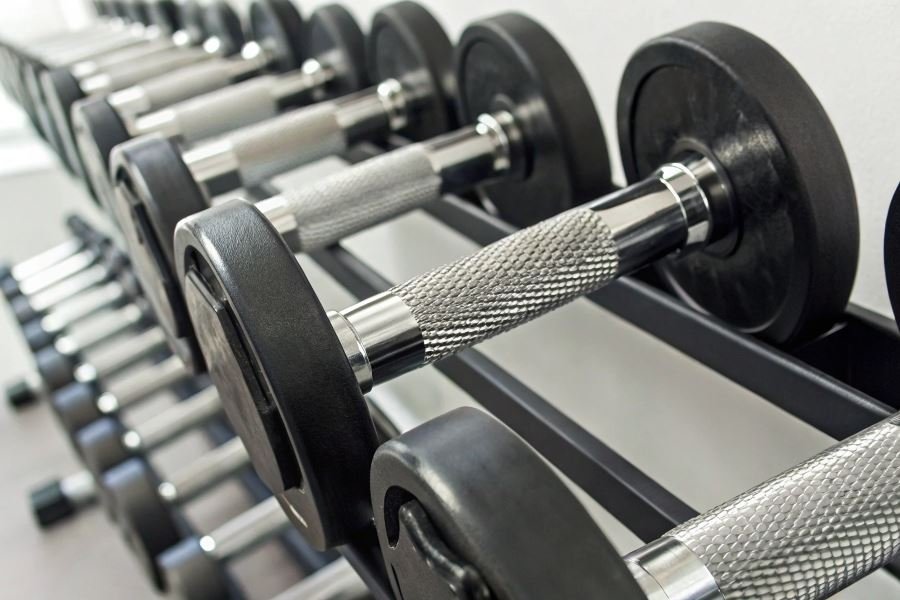
Ever picked up a dumbbell and felt that immediate connection—that perfect balance between challenge and control? Behind that feeling lies an engineering marvel that’s been refined for generations: the professional dumbbell bar. What separates the equipment that powers Olympic athletes from the basic models gathering dust in home gyms? The answer might surprise you.
Professional dumbbell bars represent the intersection of metallurgical science and athletic performance. Unlike their commercial counterparts, these precision instruments feature specialized knurling patterns for optimal grip security, weight-tested steel alloys that resist bending under extreme loads, and balanced weight distribution that allows for more controlled movements. The difference becomes immediately apparent the moment you wrap your hands around one.
The journey of dumbbell bars traces back to ancient Greece, where athletes lifted primitive stone weights. By the late 1800s, the first standardized metal dumbbells emerged, but it wasn’t until the fitness boom of the 1970s that manufacturers began seriously engineering bars for professional performance. Today’s professional-grade equipment bears little resemblance to those early iterations, with innovations in materials science creating bars that can withstand thousands of pounds of pressure while maintaining perfect balance.
Why does this matter? Because when you’re pushing your physical limits, equipment quality directly translates to results. Professional bars reduce injury risk, enable more efficient muscle recruitment, and ultimately allow for the progressive overload that drives strength gains.
The Engineering Behind Elite Dumbbell Bars
When you pick up a professional dumbbell bar, you’re holding a piece of fitness engineering that can make or break your workout experience. The difference between standard and professional-grade equipment isn’t just marketing—it’s measurable in performance, comfort, and longevity.
Professional dumbbell bars represent the pinnacle of strength training equipment design, combining advanced materials with ergonomic considerations to deliver superior performance. These aren’t your basic gym accessories; they’re precision tools designed for serious lifters who demand equipment that can keep pace with their progress. The features and advantages of professional-grade bars become immediately apparent when you compare them to standard options, from the moment you grip the knurling to the way they distribute weight during complex movements.
Aircraft-Grade Alloys and Construction
The foundation of any exceptional dumbbell bar starts with its material composition. Professional bars typically feature:
- 7075-T6 aircraft-grade aluminum for optimal strength-to-weight ratio
- Cold-rolled steel with tensile strengths exceeding 190,000 PSI
- Chrome, zinc, or specialized Cerakote finishes for corrosion resistance
The durability factors extend beyond just the material selection. Professional bars undergo rigorous manufacturing processes including precision machining, heat treatments, and quality control testing that standard bars simply don’t receive.
“The difference between a $30 bar and a $300 bar isn’t just the price tag—it’s the difference between replacing equipment annually versus having a training partner for life.”
Professional bars from manufacturers like Rogue Fitness and Eleiko undergo stress testing that simulates years of heavy use, ensuring they maintain structural integrity even under maximum loads.
Load Capacity and Balance Engineering
Professional dumbbell bars aren’t just stronger—they’re smarter in how they handle weight:
| Feature | Standard Bars | Professional Bars |
|---|---|---|
| Weight Capacity | 200-300 lbs | 400-1000+ lbs |
| Sleeve Design | Fixed or basic spin | Precision bearings |
| Weight Distribution | Often uneven | Perfectly balanced |
| Whip Control | Minimal consideration | Engineered flex patterns |
The weight capacity isn’t just about the maximum load—it’s about how the bar performs under that load. Professional bars maintain their structural integrity and performance characteristics even when pushed to their limits, with engineered flex patterns that provide consistent feedback during lifts.
Ergonomic Mastery and Grip Innovation
The interface between your hand and the bar is where professional equipment truly distinguishes itself:
- Multi-pattern knurling with strategic depth variations for optimal grip without skin damage
- Diameter precision typically between 28-32mm, calibrated for different lifting styles
- Ergonomic contours that align with natural hand positioning
The grip design on professional bars isn’t an afterthought—it’s a science. Manufacturers like American Barbell have developed proprietary knurling patterns that provide maximum grip security with minimal hand fatigue, allowing for longer, more productive training sessions.
Professional bars also feature thoughtful details like center knurling for secure positioning during front squats and precisely machined sleeves that minimize plate movement during dynamic exercises.
These engineering considerations transform what could be just a metal stick into a responsive training tool that enhances performance while reducing injury risk—the hallmark of truly professional equipment.
Why Pro Dumbbell Bars Outperform Standard Options
When you’re pushing through that final rep, the last thing you need is equipment that doesn’t match your intensity. Professional dumbbell bars aren’t just shiny upgrades—they’re game-changers that transform your lifting experience from adequate to exceptional.
Performance advantages that matter
Professional dumbbell bars deliver measurable performance benefits that standard options simply can’t match. The difference starts with construction quality—pro bars typically feature knurled grips with precise patterns that maintain traction even during the sweatiest sets. This isn’t just about comfort; it’s about control that translates directly to muscle engagement.
The knurling on professional bars isn’t just decoration—it’s engineered specifically for optimal hand placement and grip security during maximum loads.
The weight distribution on professional bars is notably more balanced, with tolerances often within 2% compared to the 5-10% variance common in standard options. This precision means your left and right sides are working equally, preventing the muscle imbalances that can lead to plateaus and injuries.
Professional bars from manufacturers like Rogue Fitness and Eleiko typically feature rotating sleeves with high-quality bearings rather than bushings, reducing torque on your wrists during exercises like bicep curls and shoulder presses.
Exercise versatility that expands possibilities
The versatility of professional dumbbell bars extends your exercise library significantly. Their design accommodates a wider range of movements with greater stability:
| Exercise Type | Standard Bar Limitation | Pro Bar Advantage |
|---|---|---|
| Compound Lifts | Limited stability under heavy loads | Maintains integrity during complex movements |
| Explosive Movements | Sleeve slippage during dynamic exercises | Secure plate attachment during cleans and snatches |
| Isolation Work | Grip fatigue limits time under tension | Enhanced grip comfort extends set duration |
| Unilateral Training | Imbalanced weight distribution affects form | Precise balance improves neuromuscular development |
This versatility means you’re not just buying a piece of equipment—you’re investing in exercise possibilities. Professional bars handle everything from heavy farmer’s carries to precise skull-crushers with equal competence.
Investment value beyond the price tag
When evaluating professional dumbbell bars as an investment, the calculus extends well beyond the initial purchase price. Professional-grade bars from companies like York Barbell typically come with warranties ranging from 5 years to lifetime guarantees—a stark contrast to the 90-day coverage common with standard options.
The durability difference is substantial. Professional bars use higher-grade metals (often aircraft-quality steel) with tensile strengths exceeding 190,000 PSI, compared to the 130,000 PSI found in standard bars. This translates to equipment that maintains its integrity through years of heavy use.
The cost-per-use math becomes compelling when you consider longevity. A professional bar priced at $150 that lasts 10+ years costs pennies per workout, while replacing $40 standard bars every 18-24 months quickly exceeds the investment in quality equipment.
Beyond the financial calculation, professional bars maintain their performance characteristics over time. The knurling doesn’t smooth out prematurely, sleeves continue rotating smoothly, and weight tolerances remain consistent—ensuring your training quality doesn’t degrade as your equipment ages.
For serious lifters, the performance advantages, exercise versatility, and long-term value make professional dumbbell bars less of a luxury and more of a training essential that pays dividends with every rep.