
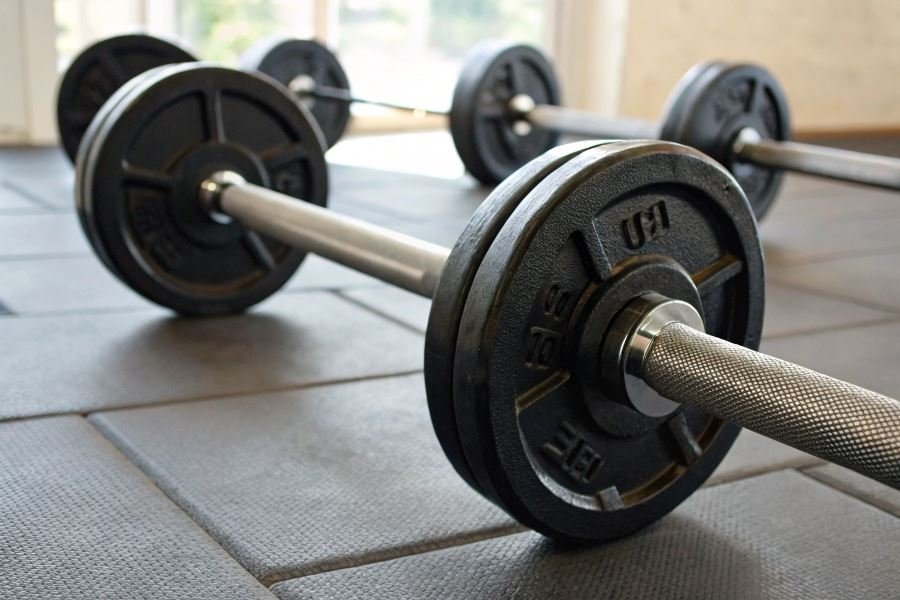
Ever watched an Olympic weightlifter clean and jerk 400+ pounds and wondered what makes it possible? It’s not just the athlete—it’s the equipment. The barbell, that seemingly simple metal rod, is the unsung hero of strength training, the foundation upon which empires of muscle are built.
When creating a home gym, nothing impacts your training potential more than your choice of bars. These aren’t just tools; they’re investments in your physical future. A quality bar doesn’t just last longer—it transforms your workout experience, reduces injury risk, and unlocks performance potential that cheaper alternatives simply can’t match.
The right bar feels like an extension of your body. It spins smoothly in your hands during Olympic lifts, flexes predictably under heavy loads, and provides the perfect grip for your strongest deadlift. The wrong bar? It’s like trying to become a professional chef with dollar-store knives—possible, but unnecessarily difficult.
When evaluating bars for your home sanctuary of gains, three critical factors stand above all: durability (will it withstand years of dropped deadlifts?), versatility (can it handle various lift types?), and specificity (does it match your training style?). The perfect bar for a powerlifter differs dramatically from what an Olympic weightlifter needs.
Let’s explore the elite trio of bars that deserve consideration for your home gym—each offering unique benefits that could revolutionize your training journey.
Elevate Your Home Workouts With These Bars
When building a serious home gym, the right equipment makes all the difference between mediocre sessions and transformative workouts. The foundation of any effective strength training setup revolves around versatile bars that deliver maximum results in minimal space. Top 3 bars for a home gym typically include pull-up bars, Olympic barbells, and multi-grip bars—each serving distinct purposes while complementing one another perfectly.
Pull-up Bars: Your Gateway to Upper Body Power
Pull-up bars have evolved dramatically from the simple doorway models of yesteryear. Today’s options offer remarkable versatility without compromising structural integrity.
Installation Options:
- Doorway models – Quick setup with no drilling, supporting 250-300 lbs
- Wall-mounted – Permanent solution offering superior stability, typically handling 400+ lbs
- Ceiling-mounted – Maximum clearance for full range of motion, supporting 500+ lbs
- Free-standing – Portable options requiring no installation, supporting 300-350 lbs
The Rogue P-5V Garage Pull-Up System exemplifies modern engineering with its multi-grip positions and 500+ lb capacity. For apartments, the Perfect Fitness Multi-Gym Pro provides doorway functionality without damaging frames.
Pro tip: Always test doorway models with gradual weight application before performing dynamic movements.
Olympic Barbells: The Backbone of Strength Training
An Olympic barbell represents perhaps the single most versatile piece of equipment in your arsenal.
| Specification | Men’s Bar | Women’s Bar |
|---|---|---|
| Weight | 20kg (44lbs) | 15kg (33lbs) |
| Length | 7.2ft (2.2m) | 6.6ft (2m) |
| Diameter | 28-29mm | 25mm |
| Sleeve Rotation | Needle bearings or bushings | Needle bearings or bushings |
| Weight Capacity | 500-1500lbs | 300-1000lbs |
Durability Factors:
- Tensile strength – Quality bars offer 150,000+ PSI ratings
- Finish type – Zinc, chrome, cerakote, or stainless steel (most corrosion-resistant)
- Knurling pattern – Aggressive for powerlifting, moderate for general use
The Rogue Ohio Bar delivers exceptional performance with 190K PSI tensile strength and dual knurl marks for multiple lift positions. For those seeking value without compromising quality, the REP Fitness Gladiator Bar offers impressive specifications at a more accessible price point.
Multi-Grip Bars: Targeted Training and Joint Relief
Multi-grip bars represent the evolution of training efficiency, allowing targeted muscle activation while reducing joint strain.
Design Innovations:
- Swiss/Football bars – Multiple parallel grip positions
- Trap/Hex bars – Neutral grip positions for deadlifts with reduced lower back stress
- EZ curl bars – Angled grips reducing wrist strain during bicep work
The Kabuki Strength Kadillac Bar exemplifies advanced design with its adjustable grip system targeting specific muscle groups with surgical precision. For space-conscious users, the Titan Fitness Multi-Grip V2 offers remarkable versatility in a compact footprint.
Muscle Targeting Benefits:
- Neutral grips activate more tricep fibers during pressing movements
- Varied width options allow precise chest fiber recruitment
- Reduced rotational stress on shoulders during heavy pressing
With these three bar types in your home gym arsenal, you’ll have the foundation for hundreds of exercises targeting every major muscle group—proving that strategic equipment selection trumps quantity every time.
Choosing Your Perfect Home Gym Bar
When building your home gym arsenal, the right bar isn’t just equipment—it’s the foundation of your fitness journey. After exploring the top contenders, let’s cut through the confusion and help you make a decision that will serve your strength goals for years to come.
Aligning bars with your fitness ambitions
The perfect bar for your home gym isn’t universal—it’s personal. A powerlifter needs different specifications than a CrossFit enthusiast or someone focused on general fitness.
For explosive, dynamic movements, the Rogue Ohio Bar offers that sweet spot of whip and durability. Meanwhile, those focused on pure strength might gravitate toward the stability of the Texas Power Bar, with its aggressive knurling and minimal flex.
If versatility tops your priority list, multi-purpose bars like the Rep Fitness Gladiator Bar deliver balanced performance across various movements without breaking the bank.
Your available space dictates more than you might realize. A standard 7-foot Olympic bar demands not just length clearance but also width for plate loading and movement patterns:
| Bar Type | Length | Ideal Space Width | Ceiling Height Needed |
|---|---|---|---|
| Olympic | 7.2 ft | 10+ ft | 8+ ft |
| EZ Curl | 4 ft | 6+ ft | 7+ ft |
| Multi-grip | 6.5 ft | 8+ ft | 7.5+ ft |
Investment thinking vs. price shopping
When it comes to bars, the old adage holds true: buy nice or buy twice. Entry-level bars under $150 might seem appealing, but they often come with compromised durability, inferior coatings, and questionable warranties.
Mid-range options ($200-350) typically represent the best value proposition for serious home gym enthusiasts. These bars offer:
- Commercial-grade shaft construction
- Quality bushings or bearings
- Reliable knurling that won’t fade quickly
- Rust-resistant finishes
Premium bars ($350+) deliver incremental improvements in performance and longevity. For competitive lifters or those who train daily, these marginal gains justify the investment. The Eleiko Performance Weightlifting Bar might cost nearly $800, but with proper care, it will outlast several budget alternatives.
The real cost of a bar isn’t its price tag—it’s the price divided by years of service.
Extending your bar’s lifespan
Even the finest bar will deteriorate prematurely without proper maintenance. Implement these practices to protect your investment:
-
Regular cleaning – Wipe down your bar after each use with a dry cloth to remove chalk, sweat, and skin oils that accelerate corrosion.
-
Periodic deep cleaning – Every 1-2 months, use a nylon brush to remove buildup from knurling, followed by a light application of 3-in-1 oil or specialized barbell oil.
-
Storage solutions – Keep bars horizontal on a rack rather than leaning against walls, which can lead to bending over time.
-
Environment control – Maintain moderate humidity levels in your gym space; excessive moisture is the enemy of even stainless steel bars.
-
Rotation management – For bushing bars, periodically rotate sleeves to ensure even wear and prevent seizing.
The right bar becomes an extension of your body during lifts. By matching your selection to your specific goals, investing appropriately, and implementing proper maintenance, you’re not just buying equipment—you’re establishing a long-term relationship with a training partner that will help transform your physique and performance for years to come.