
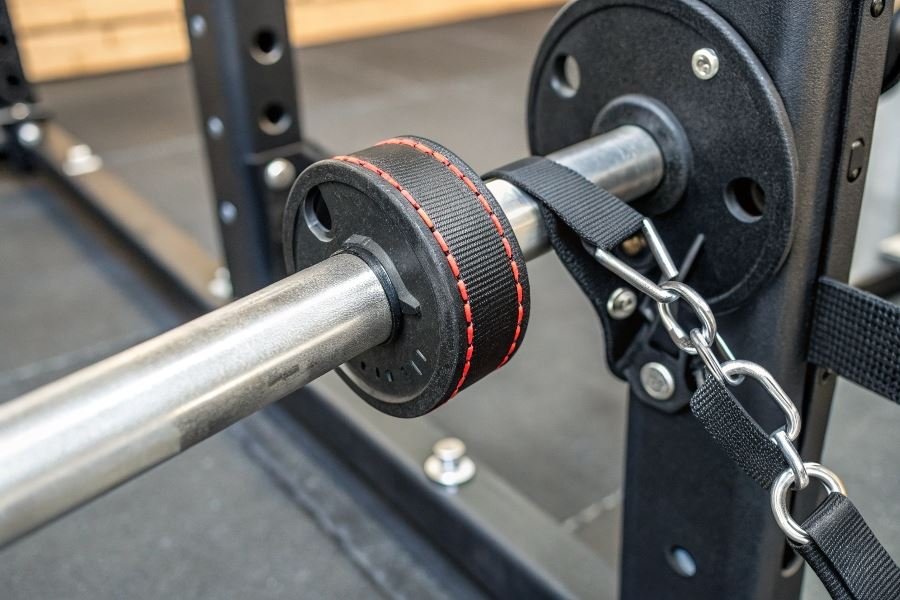
Ever watched 45-pound plates slide off a barbell during a heavy squat? It happens in milliseconds—but the consequences can last months. That clanging sound of metal hitting the gym floor isn’t just embarrassing—it’s the prelude to potential disaster.
Training safety isn’t just about proper form and spotters. The humble barbell collar—that small piece of equipment most lifters treat as an afterthought—stands between successful lifts and emergency room visits. These unsung heroes of the weight room prevent plates from shifting during dynamic movements, maintaining balance and preventing catastrophic accidents.
The physics is simple: when you’re pressing, pulling, or squatting heavy weights, any movement creates momentum. Without proper locks, plates become projectiles. Quality barbell collars create the secure foundation every lift requires.
According to the National Electronic Injury Surveillance System, weight training injuries send approximately 36,000 Americans to emergency rooms annually, with unsecured weights contributing to nearly 25% of these incidents. A study from the Journal of Strength and Conditioning Research found that proper equipment use—including quality barbell collars—could prevent up to 90% of these accidents.
The difference between budget and premium collars isn’t just about durability—it’s about consistent clamping force that won’t fail when you’re pushing your limits. Whether you’re a competitive powerlifter or weekend warrior, the right locks transform your barbell from potential hazard to reliable training partner.
The Engineering Behind Barbell Safety
Forged for Strength and Reliability
When you’re pushing your limits under a loaded barbell, the last thing you need is uncertainty about your equipment. Quality barbell collars aren’t just accessories—they’re essential safety components engineered to prevent potentially catastrophic accidents. Training safety: why quality locks for bars are important becomes crystal clear the first time you witness a plate slide during a heavy clean and jerk or experience the heart-stopping moment of uneven loading during a max-effort squat.
The foundation of any reliable barbell collar starts with its construction materials. Premium collars typically feature aircraft-grade aluminum, reinforced nylon, or hardened steel components that can withstand not just the weight they’re securing but also the repeated impact of being slammed onto bars and dropped from height. The best models on the market maintain their structural integrity even after thousands of uses in high-intensity training environments.
Load capacity ratings matter significantly. Professional-grade collars from manufacturers like Rogue Fitness or Eleiko are tested to secure weights exceeding 500 pounds without slippage—crucial when you’re working with competition-level loads. The difference between budget and premium options becomes evident in their long-term performance:
| Feature | Budget Collars | Professional-Grade Collars |
|---|---|---|
| Material | Basic plastic or spring steel | Aircraft aluminum, reinforced polymers |
| Load Rating | 150-250 lbs | 500+ lbs |
| Durability | 6-12 months | 5+ years |
| Impact Resistance | Low-moderate | High |
Grip That Won’t Quit
The locking mechanism is where engineering excellence truly shines. Modern collars employ several distinct technologies to prevent the dreaded mid-lift slippage that can throw off balance and cause injuries.
The evolution from simple spring clips to sophisticated locking systems represents decades of refinement in response to real-world training demands. Today’s premium options feature multi-point contact systems that distribute pressure evenly around the barbell sleeve, creating friction that remains consistent even during explosive Olympic lifts or dynamic CrossFit movements.
The most effective designs incorporate:
- Dual-compression technology that applies force from multiple angles
- Silicone or rubber contact surfaces that increase friction without damaging barbell finishes
- Mechanical advantage systems like lever-arms or cam-locks that multiply the securing force
Emergency Release When Seconds Count
Perhaps the most overlooked yet critical feature is quick-release functionality. When a lifter becomes trapped under a barbell or needs to bail from a failed lift, the ability to rapidly remove collars can prevent serious injury. The best safety collars allow for single-hand operation even under load—a feature that has literally saved lives in training facilities worldwide.
Premium quick-release mechanisms should disengage with a simple motion while remaining secure during normal use. This balance of security and accessibility represents the pinnacle of thoughtful design in training equipment. Lock-Jaw collars exemplify this approach with their thumb-trigger release system that can be operated even when under stress.
Remember that investing in quality barbell collars isn’t about status—it’s about creating a training environment where you can focus entirely on performance rather than equipment concerns. Your safety system is only as strong as its weakest component.
Securing Your Lift: Why Quality Barbell Locks Matter
When you’re pushing your limits under a loaded bar, the last thing you need is equipment failure. Yet many lifters overlook one critical component that literally holds everything together: quality barbell collars. These unsung heroes of the weight room deserve your attention—because when they fail, consequences can be severe.
Installation mastery for maximum security
Proper installation of barbell locks isn’t rocket science, but it demands attention to detail. First, ensure your sleeves and collars are clean and free of chalk residue—this seemingly small step prevents slippage during explosive movements. Position the plates flush against the bar’s inner sleeve before securing the collar with a firm twist or clamp action.
For Olympic lifting, where bars experience significant whip and rotation, opt for competition-grade collars like the Rogue USA Aluminum Collars that provide up to 350 pounds of clamping force. For standard training, spring collars work well when properly maintained, but remember to compress them fully before sliding onto the sleeve.
Pro tip: After installation, perform a quick “bump test”—gently tap the outer plate to verify the collar doesn’t shift. This five-second check could save you from plate migration during your heaviest sets.
Recognizing when replacement is non-negotiable
Even the highest quality barbell collars have a lifespan. Here are clear indicators it’s time for replacement:
- Visible wear on locking mechanisms or contact points
- Decreased tension in spring collars
- Slippage during normal training
- Cracks or deformation in plastic components
- Rust development on metal parts
Most quality collars should last 2-3 years of regular use, though this varies based on training style and maintenance. Olympic lifters performing frequent drops will need replacements sooner than those doing controlled powerlifting movements.
Remember that collar failure rarely announces itself with warning signs—it typically happens catastrophically during your heaviest lifts.
The economics of safety equipment
When evaluating barbell collars, consider this cost-benefit analysis:
| Collar Type | Average Price | Lifespan | Cost Per Year | Security Level |
|---|---|---|---|---|
| Basic Spring | $5-15 | 6-12 months | $10-30 | Moderate |
| Lock-Jaw | $30-45 | 2-3 years | $10-22 | High |
| Competition | $50-150 | 3-5 years | $10-50 | Maximum |
The math becomes compelling when you consider potential costs of injury: medical bills, lost training time, and rehabilitation expenses easily dwarf even premium collar investments. A single plate sliding off during a heavy squat can result in thousands in medical expenses and months of recovery.
Investment perspective: Quality collars represent perhaps the highest ROI safety equipment in your gym arsenal. While spending $100+ on competition collars might seem excessive compared to $10 spring clips, the security difference is substantial—especially when working with loads above 300 pounds or performing dynamic movements.
The true value of premium barbell locks isn’t measured in dollars but in the confidence they provide during your heaviest lifts.
Ultimately, barbell collars exemplify that rare intersection where premium quality directly translates to enhanced safety. By implementing proper installation protocols, recognizing replacement indicators, and viewing collars as critical safety investments rather than accessories, you create a more secure training environment that supports your boldest lifting goals.