
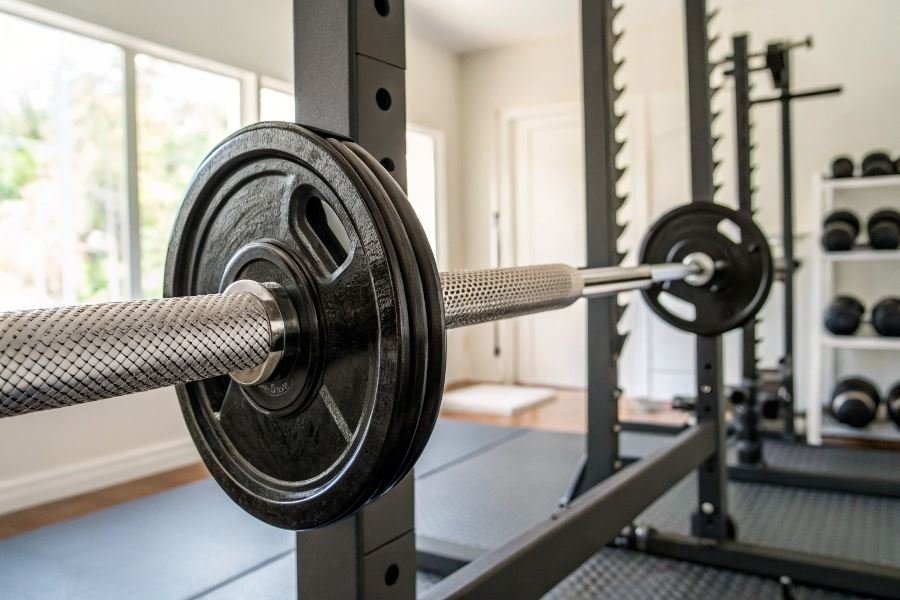
Ever picked up a barbell that felt just right in your hands? That perfect balance, that confident grip—it’s not just equipment, it’s the foundation of your strength journey. The barbell you choose can make the difference between years of productive training and frustrating setbacks.
When building your home gym arsenal, the barbell deserves special attention. It’s the centerpiece around which your strength training revolves—the tool that will help you build muscle, increase power, and transform your physique. But with dozens of options flooding the market, selecting the right one requires knowledge most retailers won’t share.
“The barbell is the most honest piece of equipment you’ll ever own. It doesn’t lie, it doesn’t cheat, and it rewards proper technique.” – Mark Rippetoe
Types that transform your training
Olympic barbells offer versatility with their rotating sleeves, perfect for dynamic movements like cleans and snatches. Power bars provide stability for heavy squats and deadlifts with their rigid design. For those tight on space, multi-purpose bars deliver the best of both worlds.
Quality markers that matter
The difference between a $100 and $300 barbell isn’t just price—it’s durability, performance, and safety. Look for tensile strength ratings (measured in PSI), knurling patterns that match your grip preferences, and finish types that resist corrosion. The right barbell doesn’t just survive your workouts; it elevates them.
Barbell Essentials: Building Your Home Iron Paradise
When setting up a home gym that truly delivers results, selecting the right barbell is absolutely critical. This isn’t just another piece of equipment—it’s the backbone of your strength training arsenal. The best barbells for a home gym: what to pay attention to involves understanding technical specifications, ergonomics, and practical considerations that will make or break your training experience.
Weight Capacity That Won’t Let You Down
Let’s talk serious iron. Your barbell’s weight capacity directly determines your strength ceiling for years to come. Olympic barbells typically support between 600-1,500 pounds—far beyond what most lifters will ever need, but that overhead provides crucial durability.
Entry-level bars generally handle 300-500 pounds, suitable for beginners but potentially limiting as you progress. Mid-range options supporting 700-1,000 pounds offer the sweet spot for most home gym enthusiasts.
The construction material tells the real story about durability. Look for bars made from high-tensile strength steel (rated at 190,000 PSI or higher) if you’re serious about heavy lifting. Rogue Fitness and Eleiko produce barbells with exceptional tensile strength ratings that withstand years of dropping, chalking, and loading.
A quality barbell should last decades, not years—making it one of the most important investment decisions for your home gym.
The Feel Factor: Diameter, Knurling, and Grip
Nothing matters more for daily training satisfaction than how a barbell feels in your hands.
Shaft Diameter Breakdown
| Barbell Type | Diameter | Best For |
|---|---|---|
| Standard Men’s | 28-29mm | General training, powerlifting |
| Women’s Olympic | 25mm | Smaller hands, Olympic lifting |
| Powerlifting Specific | 29-32mm | Maximum stiffness for heavy loads |
Knurling patterns vary dramatically between manufacturers and significantly impact your lifting experience. Aggressive knurling provides exceptional grip security for heavy deadlifts but can tear up your hands during high-rep sessions. Passive knurling offers comfort for high-volume training but might feel insecure during max-effort lifts.
Pay special attention to center knurling—present on powerlifting bars to provide grip against your shirt during squats, but often absent on CrossFit-style bars to prevent neck abrasion during cleans.
The presence of knurl marks (those smooth rings on the shaft) indicates standardized hand placement for Olympic lifts or powerlifting—a crucial detail for technique-focused lifters.
Making It Fit: Space Requirements and Storage
Even the finest barbell becomes a hazard when improperly stored. Standard Olympic barbells measure 7.2 feet (220cm) in length—a dimension that surprises many first-time buyers.
Vertical storage options like PRx Performance wall-mounted racks occupy minimal floor space while keeping bars accessible. Horizontal wall-mounted solutions work well for multiple specialty bars but require substantial wall clearance.
Smart storage isn’t just about organization—it prevents premature wear on your investment.
For truly space-constrained environments, consider these alternatives:
- Rackable short bars (6 feet/183cm) that fit standard power racks
- Technique bars for learning movements with lighter loads
- EZ curl bars for accessory work when full barbells won’t fit
Remember that barbells need room to operate—allow at least 8 feet of horizontal clearance for most barbell movements, with additional space for plates to be loaded and unloaded safely.
The perfect barbell transforms your home gym from a collection of equipment into a legitimate training sanctuary. By prioritizing weight capacity, grip characteristics, and practical storage solutions, you’ll select a bar that not only meets your current needs but supports your strength journey for years to come.
The Ultimate Barbell Arsenal for Your Home Gym
Multipurpose Olympic barbells that do it all
When building your strength sanctuary at home, a quality Olympic barbell serves as the cornerstone of your training. The Rogue Ohio Bar stands as the gold standard for versatility, featuring a 28.5mm shaft diameter and dual knurl marks that accommodate everything from bench presses to cleans. Its 190,000 PSI tensile strength provides the perfect balance between whip and rigidity.
For those seeking premium performance, the American Barbell Mammoth Bar delivers exceptional craftsmanship with its hard chrome finish that laughs in the face of rust. The slightly more passive knurling won’t shred your hands during high-rep sessions, yet provides confident grip when you’re pushing PRs.
The Rep Fitness Gladiator Bar deserves serious consideration with its impressive specs at a mid-range price point. With 230,000 PSI tensile strength and composite bushings, it handles heavy loads while maintaining smooth sleeve rotation that more expensive competitors would envy.
Specialized tools for specific lifting disciplines
Different lifting styles demand purpose-built equipment. For powerlifters, the Texas Power Bar reigns supreme with its aggressive knurling and minimal whip. The 29mm shaft diameter provides maximum stability for those bone-crushing squats and deadlifts that define the sport.
CrossFit enthusiasts should gravitate toward the Rogue Echo Bar 2.0, engineered with a 28mm shaft that balances the demands of both Olympic lifts and traditional strength movements. Its moderate whip helps absorb the shock of dynamic movements while maintaining control during high-intensity workouts.
Olympic weightlifters require precision instruments like the Eleiko IWF Training Bar. This competition-grade equipment features optimal whip characteristics and needle bearings that create buttery-smooth rotation essential for successful snatches and clean and jerks. The 28mm shaft diameter (for men’s bar) follows international competition standards.
| Barbell Type | Ideal For | Key Features | Shaft Diameter |
|---|---|---|---|
| Powerlifting | Max strength | Aggressive knurl, minimal whip | 29-32mm |
| CrossFit | Versatility | Moderate knurl, balanced whip | 28-28.5mm |
| Olympic | Technical lifts | Precise knurl marks, maximum whip | 28mm (men’s) |
Budget-friendly champions for beginners
Starting your barbell journey doesn’t require emptying your bank account. The CAP Beast Bar delivers remarkable performance at around $150, featuring a respectable 165,000 PSI tensile strength that handles up to 500 pounds—plenty for most beginners and intermediates.
The Titan Fitness Economy Olympic Bar offers tremendous value at approximately $120. While it lacks the refinement of premium options, its 700lb weight capacity and bushing system provide a solid foundation for developing proper technique across all major lifts.
For those on the tightest budgets, the Everyday Essentials Olympic Barbell surprises with decent performance at under $100. Its chrome finish resists corrosion better than you’d expect at this price point, though the 500lb weight capacity means you’ll eventually outgrow it as you progress.
The best barbell isn’t always the most expensive—it’s the one that matches your training goals, feels right in your hands, and motivates you to lift session after session.
Remember that even budget barbells require proper maintenance. A simple routine of brushing the knurling and occasional oiling will extend the lifespan of any barbell, regardless of price point, ensuring your investment continues to perform for years to come.