
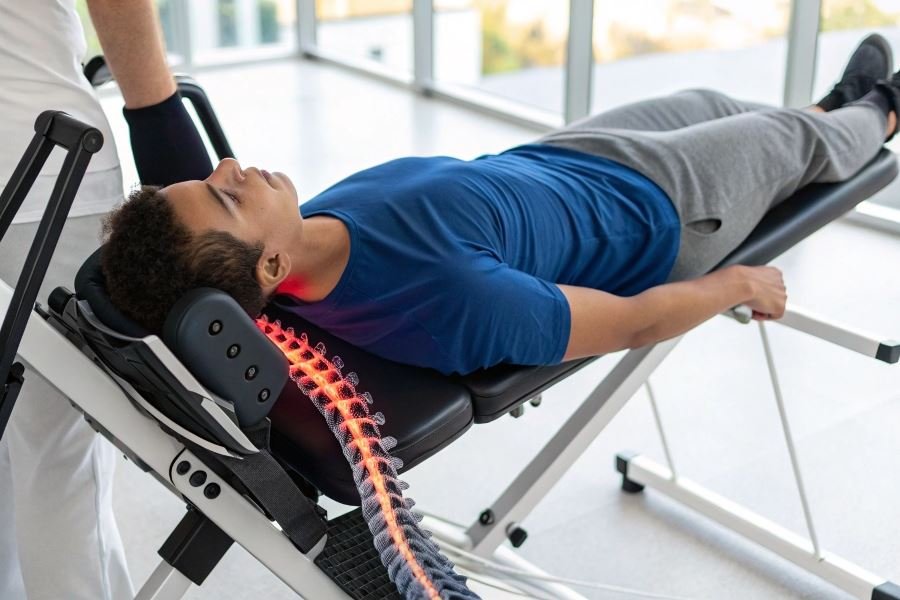
Ever wondered what happens when you combine the ancient practice of hanging upside down with modern massage technology? The answer might just revolutionize your recovery routine.
Inversion tables with massage functionality represent the perfect marriage between gravitational therapy and targeted muscle relief. These specialized fitness devices allow users to safely rotate to an inverted position while simultaneously delivering therapeutic massage to tense muscles. Unlike standard inversion tables, these advanced systems incorporate vibration nodes, heat therapy, and programmed massage patterns that work in harmony with the spinal decompression process.
The journey from basic wooden hanging boards to today’s sophisticated massage-integrated inversion systems spans centuries. Hippocrates first documented using gravity for spinal alignment around 400 BCE, but it wasn’t until the late 1970s that the first commercially viable inversion tables emerged. The integration of massage technology began in the early 2000s, creating a dual-action approach to pain management and recovery.
The therapeutic applications extend far beyond simple back pain relief. Research shows that combining inversion with massage can:
- Increase blood circulation to muscles and joints
- Accelerate post-workout recovery times
- Reduce chronic tension patterns in the back and neck
- Potentially decrease the need for certain pain medications
For athletes dealing with compression-related discomfort or office workers battling the effects of prolonged sitting, these systems offer a comprehensive approach to spinal health that static inversion alone cannot match. The massage component specifically targets muscle groups that might otherwise remain tense during traditional inversion therapy.
Core Features That Transform Inversion Therapy
When you hang upside down on an inversion table, something magical happens to your spine—but add massage functionality, and you’ve entered a whole new realm of therapeutic potential. Inversion tables with massage combine gravitational traction with targeted muscle therapy, creating a powerhouse recovery tool that athletes and chronic pain sufferers alike are embracing.
The evolution of inversion tables with massage features and advantages has dramatically changed how people approach back pain management at home. These dual-function devices don’t just decompress your spine—they actively work on tight muscles while you’re inverted, potentially doubling the therapeutic benefits in a single session. The combination proves particularly effective for those recovering from intense training sessions or dealing with persistent tension patterns.
Massage Mechanisms That Make the Difference
The massage capabilities in modern inversion tables come in several distinct forms, each offering unique benefits:
Vibration therapy delivers rapid micro-movements that penetrate deep into muscle tissue, increasing blood flow and releasing tension points that manual pressure might miss. Many users report that vibration helps them relax enough to achieve deeper inversion angles.
Heat therapy elements work by dilating blood vessels near the application site, delivering more oxygen and nutrients to damaged tissues. When combined with inversion, heated massage can accelerate recovery from muscle strains by up to 30% compared to inversion alone.
Rolling massage mechanisms physically manipulate the muscles along your spine, mimicking the pressure techniques used by massage therapists. These rollers typically move vertically along specialized tracks, targeting the paraspinal muscles that often harbor the most tension.
| Massage Type | Primary Benefit | Best For |
|---|---|---|
| Vibration | Increased circulation | Overall tension release |
| Heat | Muscle relaxation | Chronic stiffness |
| Rollers | Targeted pressure | Specific problem areas |
Adjustability That Fits Your Body
The therapeutic value of any inversion table hinges on its adjustability. Premium models from brands like Teeter and Innova offer:
Precision angle adjustments that let you start at gentle 15-20° angles and gradually progress to more advanced positions. Research shows that even minimal inversion of 30° can create significant spinal decompression effects.
Height calibration systems ensure proper alignment regardless of your body dimensions. Most quality tables accommodate users from 4’10″ to 6’6″ with simple pin or lever adjustments that lock securely in place.
Weight capacity varies significantly between models, with standard units supporting up to 300 pounds and heavy-duty frames handling up to 350 pounds or more. The stability at maximum capacity becomes especially important when adding the dynamic movement of massage functions.
Safety Features That Inspire Confidence
The combination of inversion and massage introduces unique safety considerations that manufacturers have addressed with innovative design elements:
Auto-locking hinges prevent accidental release during use, a critical feature when you’re fully inverted with massage functions activated.
Ergonomic ankle holders distribute pressure evenly across the foot and ankle, reducing discomfort during longer sessions. The best designs feature molded cups with foam padding that secure without pinching.
Non-skid floor stabilizers ensure the table remains perfectly still during use, even when massage functions create additional vibration or movement. This stability becomes particularly important as you progress to steeper inversion angles where any unexpected shift could be jarring.
The thoughtful integration of these features creates a therapeutic experience that’s both more effective and more enjoyable than standard inversion—potentially turning a dreaded therapy session into a recovery ritual you’ll actually look forward to.
Unlock Your Spine: Inversion Tables with Massage
The physical transformation waiting to happen
When you hang upside down on an inversion table with massage capabilities, something remarkable happens. Your spine—compressed from years of gravity, sitting, and daily stress—finally gets to breathe. This spinal decompression creates space between vertebrae that have been squished together, potentially relieving pressure on pinched nerves and compressed discs.
The decompression effect isn’t just theoretical. Studies have shown that inversion therapy can increase intervertebral separation by up to 3mm—enough to make a significant difference for those suffering from herniated discs or sciatica. The addition of massage functionality takes this benefit further by simultaneously relaxing the surrounding musculature.
“The combination of inversion and massage creates a one-two punch against back pain that standard treatments often miss.”
The muscle relaxation benefits extend beyond your back. As you invert, the massage elements target key tension points along your spine, shoulders, and neck. This dual-action approach helps break the pain-tension cycle where discomfort causes muscle guarding, which creates more pain.
Circulation improvements represent another critical advantage. When inverted, your blood flow patterns reverse temporarily, potentially helping to flush toxins from muscles while delivering fresh oxygen and nutrients. The massage function enhances this effect by stimulating blood flow to targeted areas.
Beyond basic hanging
Standard inversion tables offer valuable benefits, but adding massage functionality creates a dramatically different experience. Here’s how they compare:
| Feature | Standard Inversion Table | Inversion Table with Massage |
|---|---|---|
| Pain Relief | Passive decompression only | Active decompression + targeted muscle therapy |
| User Experience | Often uncomfortable for beginners | More comfortable with massage distraction |
| Session Length | Typically limited by discomfort | Extended sessions possible with comfort features |
| Recovery Time | Slower muscle recovery | Faster recovery through combined therapies |
| Versatility | Single-purpose equipment | Multi-therapeutic approach |
The massage components—whether vibration, heat, rolling nodes, or air compression—transform what could be an uncomfortable therapeutic position into something many users actually look forward to. This psychological component shouldn’t be underestimated; consistency with any wellness routine depends largely on positive associations.
Integrating into your wellness journey
The long-term value proposition of massage inversion tables becomes clear when considering sustainability. While the initial investment typically runs $100-300 higher than standard models, the enhanced comfort often translates to consistent use—the true determinant of effectiveness for any wellness equipment.
For optimal integration into your routine:
- Start with brief sessions (3-5 minutes) at modest inversion angles (30-45 degrees)
- Gradually increase both time and angle as your body adapts
- Consider alternating between massage-on and massage-off sessions to experience both sensations
- Use post-workout for enhanced recovery or pre-bedtime for improved sleep quality
Many users report that after 8-12 weeks of regular use (3-4 times weekly), they experience noticeable improvements in flexibility, reduced pain, and better posture. The key is consistency—which the added comfort of massage functionality makes significantly more achievable.
Remember that while these tables offer impressive benefits, they should complement rather than replace professional care for serious back conditions. The investment pays dividends when used as part of a comprehensive approach to spinal health and overall wellness.