
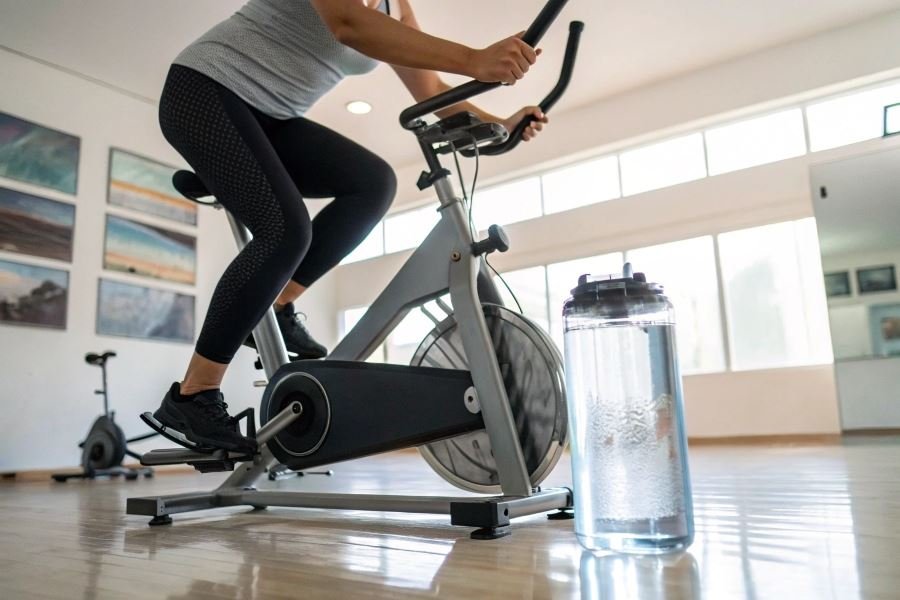
Ever wondered why Olympic swimmers train in water even when they’re not swimming? The resistance, the low-impact environment, and the cardiovascular benefits make water-based workouts a secret weapon for elite athletes and fitness enthusiasts alike.
Water bike trainers—those stationary cycling machines designed specifically for pool use—have revolutionized aquatic fitness. Unlike their land-based counterparts, these specialized trainers harness water’s natural resistance to create a workout that’s simultaneously challenging and gentle on your joints.
When selecting the perfect water bike trainer, several critical factors separate the exceptional from the merely adequate. The right trainer should match your fitness goals, body type, and the specific aquatic environment where you’ll be using it.
What exactly is a water bike trainer?
A water bike trainer is essentially a stationary bicycle designed for underwater use. Constructed from corrosion-resistant materials like marine-grade stainless steel or specialized polymers, these trainers allow users to pedal against water resistance while partially or fully submerged.
The hidden benefits of aquatic cycling
Water-based cycling delivers remarkable benefits that land workouts simply can’t match:
- 90% reduced joint impact compared to land-based cycling
- Enhanced resistance that adjusts naturally to your effort level
- Improved cardiovascular performance without excessive strain
- Natural cooling effect that prevents overheating during intense sessions
Selection essentials at a glance
Finding your ideal water bike trainer means evaluating:
- Construction quality and corrosion resistance
- Adjustability for different user heights and water depths
- Stability features that prevent unwanted movement
- Resistance mechanisms (fixed vs. adjustable)
- Weight capacity and overall durability
The perfect water bike trainer transforms ordinary pool time into an extraordinary fitness experience—if you know exactly what to look for.
The Engineering Behind Elite Water Bike Trainers
When you dive into the world of aquatic fitness, the technical specifications of water bike trainers become your compass for making an informed purchase. The structural integrity, resistance mechanisms, and stability features collectively determine whether your underwater cycling experience will be transformative or frustrating.
Evaluating the criteria for choosing a quality water bike trainer requires attention to engineering details that many overlook. The difference between entry-level and professional-grade equipment often lies in seemingly minor technical specifications that dramatically impact performance and longevity. Let’s break down the essential components that separate exceptional water bike trainers from mediocre alternatives.
Marine-Grade Materials Matter
The harsh reality of aquatic environments demands exceptional materials. Water bike trainers face constant exposure to chlorine, salt, and moisture—elements that accelerate corrosion in subpar materials.
Marine-grade stainless steel (316L) outperforms standard stainless steel (304) by incorporating molybdenum, creating superior chlorine resistance. Premium manufacturers like Hydrorider utilize this material for frame components, ensuring longevity even in saltwater pools.
The difference becomes apparent after approximately 500 hours of use, when lower-grade materials begin showing corrosion signs while marine-grade components remain pristine.
For non-metal components, look for:
- High-density polyethylene (HDPE) pedals
- UV-resistant silicone seals
- Titanium-reinforced adjustment points
Resistance Systems That Respond
The heart of any water bike trainer is its resistance mechanism. This system determines workout intensity, progression potential, and overall training effectiveness.
| Resistance Type | Advantages | Limitations | Typical Price Range |
|---|---|---|---|
| Hydrodynamic Fins | Natural water resistance, maintenance-free | Limited adjustability | $800-1,200 |
| Magnetic + Fin Hybrid | Precise resistance control, consistent feel | Higher maintenance | $1,200-2,000 |
| Multi-Directional Resistance | Complete 360° resistance profile | Premium pricing | $1,800-3,000 |
The most advanced systems offer variable resistance patterns that automatically adjust based on pedaling cadence. This creates a more natural feeling workout that mimics outdoor cycling dynamics.
Look for trainers offering at least 8 distinct resistance levels with clear, accessible adjustment mechanisms that can be modified during your workout without dismounting.
Stability Engineering and Weight Distribution
Nothing undermines a water workout faster than equipment that rocks, shifts, or feels unstable. Advanced water bike trainers incorporate sophisticated stability features:
Base footprint optimization creates a low center of gravity while minimizing water displacement. The ideal base width typically measures between 22-26 inches, balancing stability with space efficiency.
Weight capacity specifications tell a deeper story about construction quality than mere numbers suggest. Commercial-grade water bikes supporting 350+ pounds typically feature:
- Reinforced welding points at key stress junctions
- Wider stabilizing feet with suction technology
- Counterbalanced pedal systems preventing tipping during intense sprints
The most innovative designs incorporate micro-adjustable leveling systems that compensate for uneven pool floors—a common issue even in premium facilities.
When evaluating stability, test the trainer at maximum resistance while standing. Quality units remain firmly planted without wobble or forward drift, allowing you to focus entirely on your workout rather than maintaining balance.
By prioritizing these technical criteria, you’ll select a water bike trainer that delivers years of effective workouts rather than months of frustration and maintenance issues.
Sealing the Deal on Your Water Bike Trainer
Finding that perfect water bike trainer isn’t just about scrolling through specs—it’s about making a decision that aligns with your training ambitions, respects your wallet, and delivers lasting performance. Let’s dive into the final considerations that will help you make a choice you won’t regret when you’re crushing those indoor training sessions.
Smart budget allocation without compromise
The price spectrum for water bike trainers ranges dramatically—from $300 entry-level models to premium units exceeding $1,200. But here’s the truth: spending more doesn’t automatically guarantee a better training experience.
What matters is strategic investment in features that directly impact your training:
The wisest approach isn’t maxing out your credit card—it’s identifying which premium features genuinely enhance your specific training regimen.
For instance, if you’re training for triathlon season, investing in a trainer with precise power measurement accuracy (±1-2%) like the Wahoo KICKR might justify the higher price tag. Meanwhile, recreational riders might find that mid-range options like the Tacx Flow Smart deliver everything needed without unnecessary bells and whistles.
Consider this feature-to-price breakdown:
| Feature Priority | Budget ($300-500) | Mid-Range ($500-800) | Premium ($800+) |
|---|---|---|---|
| Resistance levels | 5-8 levels | 10-15 levels | 16+ levels |
| Noise level | 65-72 dB | 55-65 dB | Under 55 dB |
| Power accuracy | ±5-10% | ±3-5% | ±1-2% |
| Connectivity | Basic ANT+ | ANT+/Bluetooth | Full ecosystem |
Aligning trainer capabilities with fitness ambitions
Your fitness goals should be the compass guiding your selection process. Different training objectives demand different trainer capabilities:
For endurance building: Focus on trainers with consistent resistance throughout extended sessions. The fluid resistance mechanism in models like the Saris H3 excels here, maintaining smooth performance even during two-hour training blocks.
For HIIT and sprint work: Prioritize trainers with rapid resistance changes and high maximum wattage (1,500+ watts). The Elite Direto XR responds within seconds to intensity changes—crucial for interval efficiency.
For technique refinement: Look for trainers with the most realistic road feel. Direct-drive models with heavy flywheels (9+ lbs) like the Tacx Neo 2T replicate outdoor riding sensations with remarkable accuracy.
Long-term reliability considerations
The final piece of the puzzle is ensuring your investment stands the test of time. Water bike trainers face significant stress during intense workouts, making durability non-negotiable.
Warranty coverage varies dramatically across manufacturers:
- Budget models typically offer 1-year limited warranties
- Mid-range options extend to 2-3 years
- Premium trainers often provide 3-5 years of coverage
But the fine print matters too. Some warranties cover only manufacturing defects, while others include wear components and even sweat damage protection.
Maintenance requirements should also factor into your decision. Direct-drive trainers generally require less upkeep than wheel-on models, which need regular calibration and tire pressure checks. The time you save on maintenance compounds over years of ownership.
Remember that even the most robust trainer requires basic care—a quick wipe-down after sweaty sessions and occasional firmware updates will extend its lifespan considerably.
By balancing these three critical factors—budget constraints, training specificity, and long-term reliability—you’ll select a water bike trainer that delivers exceptional value and performance for years to come.