
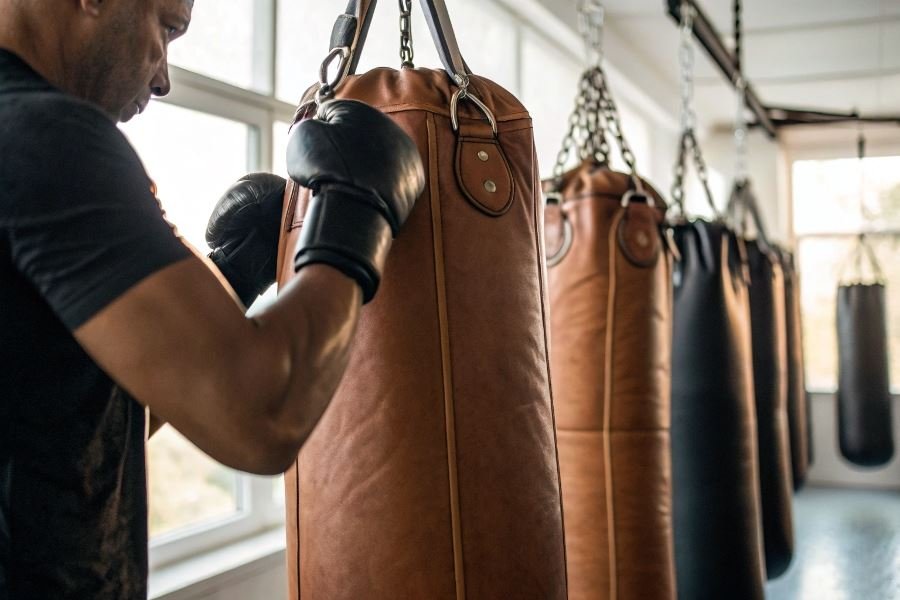
Ever wondered why some boxing bags feel like hitting a brick wall while others give you that satisfying thud that makes you feel like a champion? The secret lies not in your technique (well, not entirely), but in what’s inside that bag hanging before you.
When selecting a boxing bag, the material isn’t just about durability—it’s about how your entire training experience unfolds. The right material can be the difference between developing proper technique and developing bad habits that could haunt your performance for years. Think of it as choosing the right sparring partner: too soft and you won’t build power; too hard and you risk injury.
Traditional leather bags have dominated boxing gyms since the sport’s golden era, but synthetic materials like vinyl and polyurethane have revolutionized the market with improved weather resistance and lower maintenance requirements. Canvas options provide excellent durability at a more accessible price point, while newer neotec synthetic leather combines the premium feel of genuine leather with enhanced durability.
Beyond the exterior, what’s inside matters just as much. The filling determines how the bag responds to your strikes:
- Sand-filled bags provide substantial resistance but minimal give
- Water-filled options offer dynamic resistance that mimics human tissue
- Textile fill bags combine fabric scraps with sand for balanced feedback
Your training goals should guide your choice. Heavy hitters focusing on power might prefer the density of leather-wrapped sand-filled bags, while speed-focused fighters might opt for lighter, more responsive synthetic options.
Remember: the perfect bag isn’t just about material quality—it’s about finding the right match for your fighting style.
The Ultimate Guide to Boxing Bag Fillings
When it comes to perfecting your boxing technique, the filling inside your punching bag matters just as much as your gloves or stance. The core materials of boxing bags dramatically affect everything from resistance and feedback to durability and noise level. Understanding what’s inside that hanging or standing bag is crucial for matching your training style with the right equipment.
Materials of boxing bags: what is important to know when choosing can make the difference between productive training sessions and frustrating workouts that leave your joints aching. The right filling responds to your punches in ways that simulate real combat conditions while protecting your hands and wrists from unnecessary strain.
Synthetic Fillings: The Modern Approach
Synthetic fillings have revolutionized boxing training with their consistent performance and specialized characteristics.
Foam-filled bags offer exceptional shock absorption and are remarkably quiet, making them apartment-friendly options. High-density foam provides uniform resistance throughout the bag, while layered foam systems create a more realistic striking experience with progressive resistance.
Low-density foam bags are perfect for beginners or rehabilitation training, while high-density versions challenge even seasoned fighters.
Textile fillings utilize shredded fabric materials that compress upon impact and quickly return to shape. These bags typically offer:
| Textile Type | Impact Feel | Durability | Weight Range |
|---|---|---|---|
| Synthetic cloth | Medium-soft | High | 70-100 lbs |
| Fabric scraps | Variable | Medium | 60-120 lbs |
| Polyester fiber | Soft | Very high | 50-80 lbs |
Synthetic fiber systems from brands like Everlast use engineered materials specifically designed for combat sports. These premium fillings provide consistent resistance throughout the bag’s lifespan and often incorporate anti-microbial properties to prevent odor development.
Natural Fillings: Traditional Power
Natural materials have been the backbone of boxing training for generations, offering authentic feedback and substantial resistance.
Sand-filled bags deliver exceptional density and weight, creating the ultimate heavy bag experience. The natural shifting of sand creates a dynamic resistance that forces boxers to adapt to slightly changing surfaces. However, sand can settle over time, requiring occasional maintenance to prevent “dead spots.”
Water-filled options like the Aqua Training Bag provide unique benefits:
- Natural resistance that mimics human tissue
- Self-leveling filling that maintains consistency
- Reduced joint impact compared to traditional bags
- Adjustable weight by simply adding or removing water
Grain-based fillings including rice, beans, and corn have been traditional choices for decades. These natural materials create a firm but giving surface that compresses on impact while maintaining overall structure. Many traditional martial arts schools still prefer these fillings for their authentic feel and environmental sustainability.
Hybrid Systems: Best of Both Worlds
Modern boxing equipment often combines multiple filling types to create specialized training experiences. These hybrid systems typically feature:
- Layered construction with dense cores surrounded by softer outer materials
- Segmented chambers containing different fillings for varied resistance zones
- Weighted bases with water or sand combined with foam or fiber upper sections
The most advanced bags from premium manufacturers utilize proprietary blends of synthetic and natural materials to deliver precise feedback while minimizing joint stress.
Whether you’re looking for raw power development, speed training, or technical refinement, understanding the core materials inside your boxing bag is the first step toward selecting equipment that will elevate your training to the next level.
The Outer Shell Game: Boxing Bag Materials That Go the Distance
When you’re throwing combinations at full power, the last thing you want is your boxing bag giving up before you do. The outer material of your heavy bag isn’t just about aesthetics—it’s your equipment’s first line of defense against thousands of impacts. Let’s break down what wraps your punching partner and how each material stands up to your best shots.
Leather: The Undisputed Champion
Genuine leather remains the gold standard in boxing bag construction, and for good reason. The natural hide brings several advantages to the training table:
Premium cowhide leather offers exceptional durability, developing a beautiful patina over time rather than wearing out. Top professional gyms still swear by leather bags that have absorbed punishment for decades.
The tactile feedback from genuine leather creates a satisfying “thwack” that synthetic materials struggle to replicate.
However, leather comes with considerations:
- Higher initial investment ($200-500 for quality leather bags)
- Requires regular conditioning to prevent drying and cracking
- Not ideal for outdoor or high-humidity environments
Synthetic Leather: The Practical Contender
Modern synthetic leathers have closed the performance gap significantly in recent years:
Polyurethane (PU) leather dominates the mid-range market, offering impressive durability at roughly half the price of genuine leather. Brands like Everlast and Title Boxing have refined their synthetic offerings to provide excellent performance.
Microfiber synthetic leather represents the premium synthetic option, with enhanced tear resistance and a feel that closely mimics genuine leather.
The best synthetic leather bags now offer 80-90% of genuine leather’s performance at 50-60% of the cost—a compelling value proposition for serious recreational boxers.
Canvas: The Old School Option
Canvas bags bring their own unique characteristics to training:
- Exceptional breathability
- Natural texture that improves grip when working without gloves
- Distinctive “softer” impact feel preferred by some traditional boxers
The downside? Canvas typically shows wear faster than leather options and can absorb sweat and odors more readily.
Vinyl: The Budget-Friendly Baseline
Marine-grade vinyl has become the standard entry-level material, offering:
- Water resistance
- Easy cleaning (simple wipe-down maintenance)
- Affordability (quality vinyl bags start around $70-100)
The compromise comes in durability and feel—vinyl tends to crack under extreme temperature changes and lacks the premium feedback of higher-end materials.
Material Maintenance Matrix
| Material | Cleaning Method | Conditioning Needs | Expected Lifespan | Best Environment |
|---|---|---|---|---|
| Genuine Leather | Damp cloth, leather cleaner | Leather conditioner quarterly | 10-20+ years | Climate-controlled indoor |
| Synthetic Leather | Mild soap, damp cloth | None required | 5-10 years | Indoor/covered outdoor |
| Canvas | Brush when dry, spot clean | Fabric protector annually | 3-7 years | Low-humidity indoor |
| Vinyl | Disinfectant wipes | None required | 2-5 years | Versatile, handles moisture |
Longevity Factors Beyond Material
Material selection matters, but maintenance habits ultimately determine how long your bag survives:
Rotation matters – Even the toughest bags benefit from occasional rest periods. Serious training facilities rotate bags to distribute wear.
Environmental factors – Direct sunlight accelerates degradation of all materials, while extreme temperature fluctuations particularly affect vinyl and leather.
Impact distribution – Working different areas of the bag extends its life significantly, regardless of material choice.
The perfect boxing bag material aligns with your training intensity, environment, and budget. Premium leather remains the professional’s choice, but today’s synthetic options deliver remarkable performance without breaking the bank. Whatever wraps your heavy bag, consistent maintenance will ensure it’s ready whenever you are.