
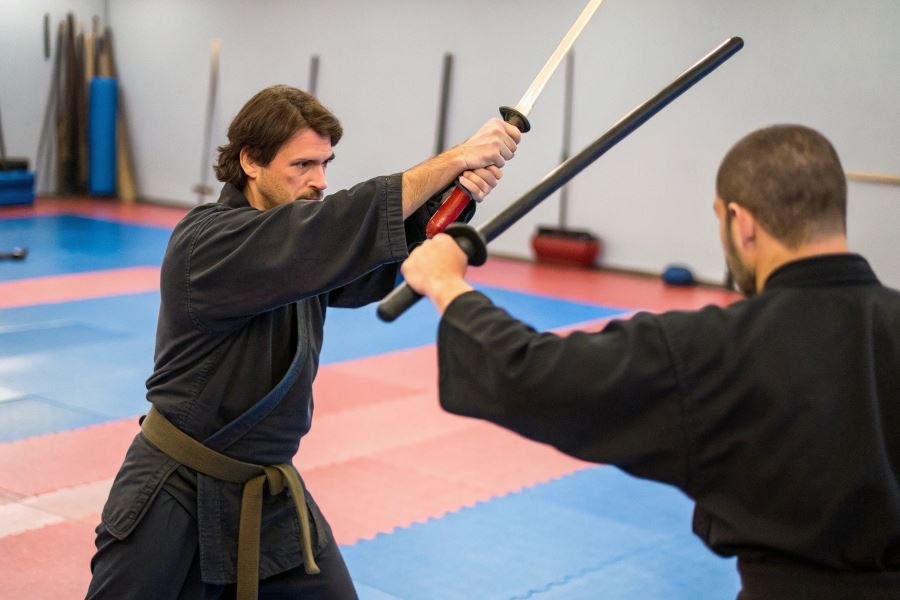
Ever watched a beginner martial artist swing a training weapon for the first time? It’s either poetry in motion or a disaster waiting to happen. The difference often comes down to what’s in their hands.
Training weapons aren’t just scaled-down versions of the real thing—they’re sophisticated tools designed to build proper technique while minimizing injury risk. Whether you’re exploring kali sticks, foam nunchaku, or wooden bokken, your choice will dramatically shape your martial arts journey.
The right training weapon does three things simultaneously: it forgives mistakes without reinforcing bad habits, provides authentic feedback on technique, and keeps both you and your training partners safe. This delicate balance is why seasoned fighters are so particular about their training gear.
Different martial arts traditions demand specific training implements. Kendo practitioners need properly weighted shinai, while Wing Chun students require balanced wooden dummies. The Filipino martial arts utilize rattan sticks that flex upon impact, teaching practitioners to focus on technique rather than power.
“The weapon you train with becomes an extension of your body. Choose poorly, and you’re programming flawed movements into muscle memory.” — Master Wong, 30-year martial arts instructor
When selecting your first training weapon, consider these critical factors:
- Material composition: Durability balanced with safety
- Weight distribution: Authentic feel without excessive strain
- Skill progression path: Will it grow with your abilities?
- Training environment: Indoor dojo or outdoor practice?
Remember that your first training weapon is the foundation upon which all your technical skills will be built. Choose wisely, train consistently, and your weapon will become more than equipment—it’ll become part of who you are as a martial artist.
Essential Considerations for Training Weapons Selection
When stepping into the world of martial arts or combat sports, selecting the right training weapons can make or break your development as a fighter. The journey of choosing training weapons for beginner fighters involves several critical factors that balance safety, functionality, and skill development.
Material Matters: Durability vs. Weight
The material of your training weapon fundamentally shapes your training experience. Modern training weapons typically come in three primary materials:
Foam/Padded Options: Ideal for absolute beginners, these weapons offer maximum safety with minimal injury risk. The Cold Steel Training Daggers use high-density foam that mimics the feel of real weapons while eliminating danger.
Wood Constructions: Traditional and time-tested, wooden weapons provide authentic weight and feedback. Look for hardwoods like oak or hickory that resist splintering.
Polymer/Synthetic Materials: These represent the sweet spot for many beginners, offering durability without excessive weight or danger.
“The material should grow with your skill level—starting too heavy risks improper technique, while materials too light won’t prepare you for progression.”
Safety First: Protection Requirements
No discussion about training weapons would be complete without addressing safety equipment:
| Weapon Type | Minimum Protection | Recommended Additional Protection |
|---|---|---|
| Blunt Weapons | Helmet, Gloves | Chest Protector, Forearm Guards |
| Blade Simulators | Fencing Mask, Padded Jacket | Throat Protection, Padded Gloves |
| Staff/Pole Weapons | Eye Protection, Gloves | Shin Guards, Light Helmet |
The SPES Historical Fencing Gear offers comprehensive protection systems designed specifically for weapon training. Remember that proper protection isn’t just about having gear—it’s about having the right gear for your specific training weapon.
Size, Weight and Balance: The Beginner’s Triangle
For newcomers, finding the right dimensions is crucial:
Size Considerations: Training weapons should be proportional to your body. A weapon that’s too long creates leverage issues; too short and you develop improper distancing habits.
Weight Factors: Beginners should start with weapons approximately 70-80% the weight of competition-grade equipment. This allows for longer training sessions without fatigue compromising form.
Balance Point: Perhaps the most overlooked aspect, a well-balanced training weapon places its center of gravity 1/3 of the way from the hilt (for swords) or 40% from the bottom (for staff weapons).
Value Assessment Beyond Price Tags
Budget considerations shouldn’t mean compromising on quality. The training weapons market spans from $20 basic models to $300+ competition-grade equipment.
Entry-Level Sweet Spot: Most beginners find excellent value in the $40-80 range from manufacturers like Purpleheart Armory or Century Martial Arts.
Long-Term Investment: Consider the training weapon’s lifespan. A $60 synthetic sword that lasts three years offers better value than a $30 model needing replacement every six months.
Progression Planning: The wisest approach involves purchasing a beginner-friendly weapon with the understanding that as skills develop, your equipment needs will evolve.
Remember that the best training weapon isn’t necessarily the most expensive or the most authentic-looking—it’s the one that facilitates proper technique development while maintaining safety standards appropriate for your skill level.
Top 3 Training Weapons That Will Transform Your Fighting Journey
When stepping into the world of martial arts or combat sports, your choice of training weapons can make or break your development. The right equipment not only accelerates your learning but also keeps you safe while you master potentially dangerous techniques. Let’s dive into the three essential categories of training weapons that will guide you from day one to advanced beginner status.
Foam Weapons: Your First Fighting Friends
Foam and padded weapons represent the perfect entry point for anyone new to weapons training. These lightweight, forgiving tools allow you to make mistakes without consequences.
Safety meets functionality with these beginner-friendly options:
- SMAI foam training swords absorb impact while maintaining realistic weight distribution
- Padded escrima sticks from Century Martial Arts offer authentic feel without the bruises
- Foam nunchaku that won’t crack your knuckles (or worse) during those first awkward practice sessions
The beauty of foam weapons lies in their forgiveness. You can practice full-speed techniques without hesitation, building muscle memory and confidence simultaneously. Most quality foam weapons range from $20-45, making them an affordable entry point.
Foam doesn’t mean “toy” – professional fighters still use padded weapons for high-intensity drills where safety is paramount.
Wooden Weapons: When You’re Ready for Authenticity
Once you’ve developed basic form and control, wooden training weapons introduce the weight, balance and feedback crucial for skill development.
Wooden weapons demand respect through:
- Increased weight that builds forearm strength and control
- Authentic impact feedback that teaches proper striking angles
- Natural materials that connect you to martial traditions
Popular wooden training options include:
| Weapon Type | Best For | Approximate Price |
|---|---|---|
| Bokken (wooden sword) | Japanese sword arts | $30-80 |
| Rattan sticks | Filipino martial arts | $15-40/pair |
| Wooden staff (bo) | Various staff techniques | $25-60 |
When selecting wooden weapons, look for hardwoods like oak or hickory that provide durability without excessive weight. Shureido produces exceptional wooden training weapons trusted by instructors worldwide.
Aluminum and Synthetic Weapons: Advanced Beginner Territory
As your skills sharpen, aluminum and modern synthetic weapons bridge the gap between training and reality.
These advanced training tools offer:
- Precise weight and balance matching real weapons
- Durability for thousands of training repetitions
- Weather resistance for outdoor practice
The transition to aluminum or polypropylene weapons marks a significant milestone in your training journey. These materials allow for increased speed and power while maintaining safety margins that pure steel weapons don’t offer.
Standout options in this category include:
- Cold Steel polypropylene training knives and swords
- Aluminum practice katanas with wrapped handles for authentic grip training
- Synthetic Dog Brothers training sticks that can withstand full-contact sparring
These weapons typically range from $50-150 depending on quality and complexity, representing an investment in your continued growth.
Remember that progression between these categories should be guided by your instructor’s assessment of your skill level. The right training weapon at the wrong time can either hold back your development or lead to unnecessary injuries. Trust the process, respect the weapons, and enjoy the journey from foam to fighting-ready!