
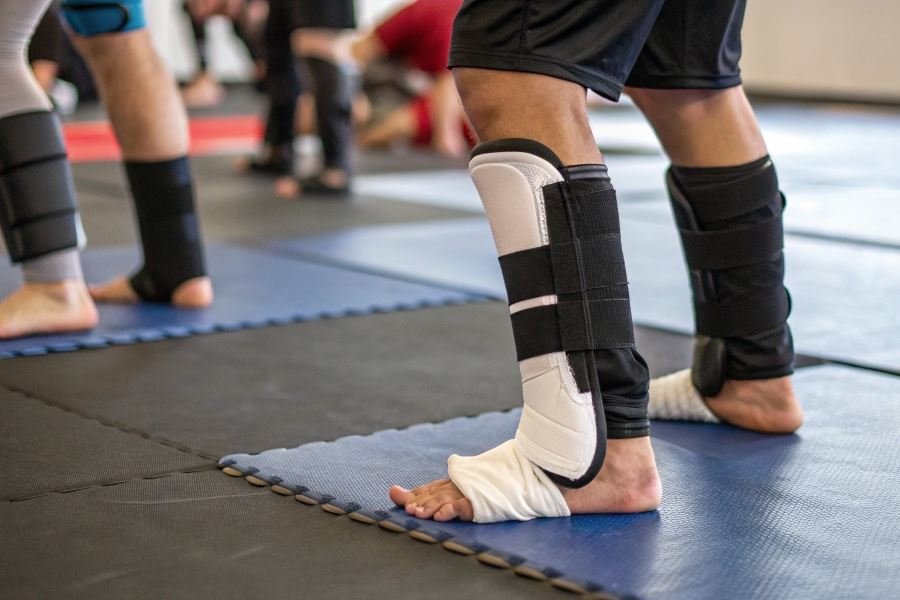
Ever watched a player take a brutal kick to the shin and walk away unscathed? That’s not luck—that’s proper shin protection at work. The difference between adequate protection and a trip to the ER often comes down to one critical factor: size.
When it comes to shin guards, the “close enough” approach simply doesn’t cut it. Properly sized shin protection isn’t just about comfort—it’s about preserving your ability to play the game you love. Too small, and you leave vulnerable areas exposed; too large, and you sacrifice mobility while risking guards that shift during crucial moments.
The protection landscape has evolved dramatically. Modern shin guards range from slip-in sleeves favored by professionals to ankle-protecting combination guards preferred by defensive players. Each style follows different sizing principles—what works for a minimalist slip-in won’t translate to a full ankle-protection system.
“The most common mistake I see is players choosing based on what their favorite pro wears rather than what fits their position and body type.” — Professional equipment manager
Three sizing mistakes consistently plague players: selecting based solely on shoe size (shin length varies independently), prioritizing comfort over coverage (that gap above the ankle is a target), and failing to consider sport-specific needs (soccer requires different protection than field hockey).
Remember that the perfect shin guard feels like it’s not there—until the moment you need it. Then, it becomes the most important piece of equipment you own.
The Perfect Fit: Mastering Shin Guard Sizing
Finding the right size shin guards isn’t just about comfort—it’s about maximum protection when you’re pushing your limits on the field. Whether you’re dodging tackles in soccer or blocking shots in hockey, properly fitted shin protection can be the difference between playing through the season or watching from the sidelines.
The process of how to choose the right size of shin protection starts with understanding your own measurements and how they translate to manufacturer specifications. Too many athletes grab whatever’s available without considering the crucial details that ensure optimal coverage and performance. Let’s change that today with some precision-focused guidance.
Measuring for the Perfect Fit
Getting accurate measurements is your foundation for success. Here’s the proper technique:
- Sit with your knee bent at 90 degrees
- Measure from the center of your ankle bone to just below your knee cap
- Add 2 inches for full coverage protection
This measurement (in inches) corresponds directly to the shin guard size you’ll need. For youth players still growing, consider adding an extra half-inch to accommodate growth spurts.
Pro tip: Measure both legs separately. Many athletes have slight differences between their dominant and non-dominant legs.
Decoding Manufacturer Size Charts
Size charts can feel like reading a foreign language, but they’re actually quite straightforward once you understand the key elements:
| Size Category | Height Range | Shin Length | Typical Age |
|---|---|---|---|
| XS | Under 4’7″ | 9″ or less | 6-8 years |
| S | 4’7″-5’2″ | 9″-10.5″ | 8-12 years |
| M | 5’2″-5’8″ | 10.5″-12″ | 12-16 years |
| L | 5’8″-6’0″ | 12″-13.5″ | 16+ years |
| XL | Over 6’0″ | 13.5″+ | Adult |
Remember that these are general guidelines. Brands like Nike and Adidas may have slight variations in their sizing systems. Always check the specific manufacturer’s chart before purchasing.
Sport-Specific Sizing Considerations
Different sports demand different levels of protection and mobility:
Soccer
Soccer shin guards typically run smaller and lighter, focusing on front-of-leg protection while maximizing mobility. Look for guards that cover from ankle to just below the knee, with extra ankle protection if you’re a defensive player.
Field Hockey
Field hockey requires wider coverage to protect against fast-moving balls and stick strikes. Your shin guards should wrap further around the sides of your legs compared to soccer guards.
Baseball/Softball
Catchers need specialized shin protection that extends fully over the knee and provides comprehensive coverage against foul tips and wild pitches. These are sized by height rather than shin length.
The material matters too. Under Armour offers lightweight carbon fiber options that provide excellent protection without bulk, while Storelli specializes in impact-absorbing materials for aggressive play styles.
Remember that the perfect shin guard should feel secure without restricting movement. When trying them on, perform sport-specific movements—cuts, jumps, sprints—to ensure they stay in place without sliding or causing discomfort.
Your shin guards are your personal armor. Take the time to get the sizing right, and they’ll reward you with confidence to play at your peak without hesitation.
Testing Your Shin Guards: The Perfect Fit Playbook
Evaluating fit like a pro
Finding the perfect shin guard fit isn’t just about comfort—it’s about maximum protection during those crucial game moments. When evaluating fit, start by positioning the guard centrally on your shin. The top should rest approximately one inch below your knee, while the bottom should extend to cover your ankle bone without interfering with your cleats or footwear.
The coverage test is non-negotiable: your shin guard should shield the entire front and sides of your lower leg. Try this quick assessment: run your fingers along the edges of the guard while in your playing stance—any exposed shin areas are potential injury zones.
The perfect shin guard feels like it’s part of you—secure enough to stay put during a slide tackle, but comfortable enough to forget it’s there.
The ankle-to-knee measurement is your baseline for proper sizing. Most manufacturers like Nike and Adidas offer size charts correlating to height, but your actual shin length is the more reliable metric. Remember that youth sizes aren’t just smaller adult versions—they’re specifically designed for developing bones and muscles.
Customizing for ultimate comfort
Even the best shin guards might need adjustments for that personalized fit. Most modern guards come with adjustable straps that should be secured firmly—but not so tight they restrict circulation. The compression sleeve option provides uniform pressure and eliminates strap discomfort during extended play.
For players with unique leg shapes or previous injuries, consider these customization approaches:
- Add thin foam padding in pressure point areas
- Use athletic tape to secure loose-fitting guards
- Try gel inserts for improved shock absorption
- Experiment with different sleeve thicknesses based on weather conditions
Many professional athletes use heat-moldable shin guards that conform precisely to leg contours after brief heating. While these premium options cost more ($45-80 compared to standard $15-30 guards), the customized protection can be worth the investment for serious players.
Replacement timing and upgrade signals
Shin guards aren’t forever equipment. Even the highest quality protection deteriorates with use. Watch for these clear indicators that replacement time has arrived:
| Warning Sign | What It Means | Action Required |
|---|---|---|
| Visible cracks | Compromised impact protection | Immediate replacement |
| Loose straps/fasteners | Shifting during play | Replace if unrepairable |
| Compressed padding | Reduced shock absorption | Upgrade needed |
| Growth-related fit issues | Inadequate coverage | Size up immediately |
Most quality shin guards maintain optimal protection for 1-2 seasons of regular play. However, youth players experiencing growth spurts may need replacements every 6-8 months to ensure proper coverage.
Consider upgrading your shin protection when transitioning between competition levels. The recreational guard that served you well in weekend leagues won’t provide adequate protection in more aggressive tournament play. Higher-level competition warrants investing in advanced materials like carbon fiber or reinforced polymers that offer superior protection without added bulk.
Remember that shin guards represent a critical safety investment—when you feel that first hint of discomfort or notice visible wear, it’s time to prioritize protection over sentimentality. Your shins will thank you when you make that game-saving tackle without wincing.