
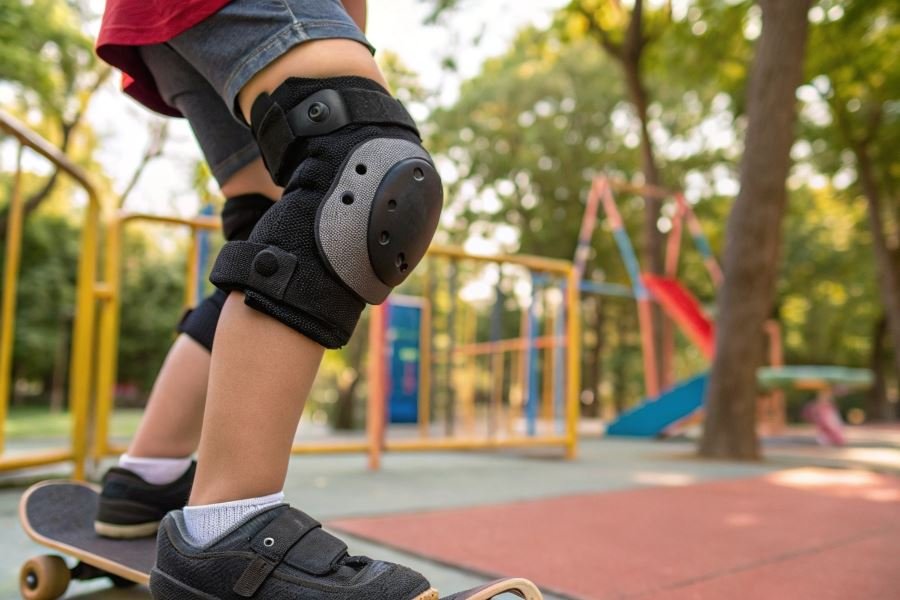
Ever watched a pro athlete grimace in pain after an elbow hit? That split-second impact can end seasons and careers. Elbow injuries sideline over 150,000 athletes annually—from weekend warriors to Olympic champions—making proper protection not just equipment, but essential insurance for your active lifestyle.
When selecting elbow protection, you’re navigating a crucial decision that balances performance with safety. Basketball players need different support than mountain bikers, and BMX riders face different risks than volleyball players. The right guard becomes your invisible teammate, protecting you while enhancing your performance.
The injury reality check: Elbow trauma ranges from the common tennis elbow (lateral epicondylitis) that affects 1-3% of the population to devastating fractures that require surgical intervention. Baseball pitchers frequently develop UCL injuries, while contact sport athletes battle bursitis and hyperextension injuries that can linger for months.
“The elbow absorbs forces up to seven times your body weight during certain athletic movements. Protection isn’t optional—it’s mathematical.” — Sports Medicine Journal
Three factors should guide your protection choice:
- Sport-specific demands – Contact level, movement patterns, and typical injury mechanisms
- Personal factors – Previous injuries, comfort preferences, and anatomical considerations
- Performance requirements – Finding the sweet spot between mobility and protection
The difference between adequate and optimal elbow protection isn’t just comfort—it’s the confidence to push limits knowing your joints are defended by technology specifically engineered for your sport’s unique challenges.
Elbow Protection for Every Arena: Sport-Specific Shields
When athletes hit the field, ring, or pavement, proper elbow protection becomes the difference between playing through the season and watching from the sidelines. The specialized design elements in various elbow guards reflect the unique demands of different sporting environments. Selecting appropriate elbow protection depending on the type of sport requires understanding both the injury risks and performance needs specific to your athletic pursuit.
Contact Sports: Armor for the Collision Course
Contact sports like football, hockey, and lacrosse demand robust elbow protection that can withstand high-velocity impacts while maintaining mobility. In these environments, protection isn’t optional—it’s essential equipment.
Football elbow protection typically features hard outer shells with dense foam padding underneath. The McDavid Hex arm sleeves have become popular for combining compression with hexagonal padding that flexes with movement while absorbing impact. Linemen often opt for thicker padding, while receivers might choose sleeker options that won’t interfere with ball handling.
Hockey players face unique challenges with stick checks and board collisions. Hockey elbow pads include:
- Extended forearm protection
- Bicep guards
- Articulated joints for stick handling
The Bauer Vapor series offers lightweight protection with anatomical flex points that move naturally during play while still shielding against slashes and falls on hard ice.
Lacrosse combines elements of both sports, requiring protection against stick checks while maintaining the dexterity for precise stick handling. Most players prefer caps with extended side protection but minimal coverage on the inner arm.
Combat Sports: Precision Protection
The fighting arena demands specialized elbow protection that balances defense with offensive capability.
MMA fighters typically use minimal elbow pads during training that protect without restricting submission moves. The Hayabusa T3 elbow pads provide targeted protection while allowing full range of motion for grappling.
Boxing training often incorporates elbow sleeves rather than pads, focusing on:
- Compression for joint stability
- Prevention of hyperextension
- Minimal bulk to maintain punching mechanics
Wrestlers face constant elbow friction against mats, making durability crucial. Wrestling elbow protection typically features reinforced fabric with anti-bacterial properties to prevent mat burns and skin infections. Many collegiate wrestlers prefer the Cliff Keen compression sleeves with targeted padding at abrasion points.
Fall-Risk Sports: Impact Absorption Specialists
For skateboarding, cycling, and rollerblading, elbow protection focuses primarily on crash scenarios rather than continuous contact.
Skateboarding elbow pads prioritize:
| Feature | Purpose |
|---|---|
| Hard plastic caps | Slide protection during falls |
| Wrap-around design | Secure fit during aerial maneuvers |
| Impact-absorbing foam | Cushion against concrete landings |
The Triple Eight elbow pads have become standard in skate parks nationwide, offering the crucial combination of slide capability and impact protection.
Cycling elbow protection varies dramatically between disciplines. Road cyclists often choose minimal compression sleeves that provide abrasion resistance without adding bulk, while downhill mountain bikers opt for substantial armor similar to motocross protection. The G-Form Elite pads use molecular technology that remains flexible during riding but instantly hardens upon impact.
Rollerbladers face similar challenges to skateboarders but with higher speeds. Their ideal elbow protection includes extended forearm coverage and often integrates with wrist guards for comprehensive protection during inevitable falls.
Regardless of your sport, proper elbow protection should feel like a natural extension of your body—present when needed but never hindering performance. The best guard is the one that gives you confidence to push your limits safely.
The Ultimate Guide to Elbow Protection Features
Material Matters: Composition and Durability
When it comes to elbow protection, material isn’t just about comfort—it’s about staying in the game longer. The best elbow guards combine multiple materials strategically placed to protect without restricting movement.
Most high-performance elbow guards feature a hard outer shell made from polyethylene or polypropylene. These materials absorb impact forces that would otherwise transfer directly to your elbow joint. Nike and Under Armour lead the industry with their proprietary impact-resistant polymers that maintain flexibility while offering superior protection.
The inner padding typically consists of EVA foam, memory foam, or gel inserts. These materials conform to your elbow’s shape while dispersing pressure. Premium options from McDavid incorporate D3O technology—a material that remains soft during normal movement but instantly hardens upon impact.
For durability considerations, look for reinforced stitching and abrasion-resistant fabrics. Moisture-wicking materials like nylon and polyester blends prevent sweat buildup and extend the life of your gear by reducing odor-causing bacteria.
| Material | Best For | Durability Rating |
|---|---|---|
| D3O Technology | High-impact sports | 5/5 |
| EVA Foam | All-around protection | 4/5 |
| Neoprene | Water sports | 3.5/5 |
| Compression Fabric | Recovery/mild support | 3/5 |
Perfect Fit: Mobility and Comfort Factors
The most advanced materials mean nothing if your elbow guard doesn’t fit properly. Proper sizing is non-negotiable for both protection and performance.
Most manufacturers offer size charts based on circumference measurements of your arm. Take measurements at three points: mid-bicep, elbow joint (slightly bent), and mid-forearm. When between sizes, the conventional wisdom is to size down for compression styles and up for bulkier protective gear.
Articulated designs that pre-curve to match your natural elbow position provide superior comfort during extended wear. Look for anatomical left/right specific models from brands like Shock Doctor that contour precisely to your arm’s natural shape.
Ventilation channels and breathable panels prevent overheating during intense activity. Strategic placement of these features shouldn’t compromise protection zones. The best designs incorporate silicone grip strips or compression bands that prevent migration during movement without restricting circulation.
The difference between a good and great elbow guard often comes down to how it feels after the third hour of wear.
Lifespan Logic: Maintenance and Replacement
Even top-tier elbow protection has a finite lifespan. Understanding proper care and recognizing replacement signs extends protection effectiveness and your investment.
Most fabric-based guards can be hand-washed with mild soap and air-dried. Never machine dry protective gear—heat can degrade elastic components and adhesives that hold protective elements together. EvoShield recommends wiping their custom-molded guards with antibacterial wipes after each use rather than full immersion.
Inspect your elbow protection regularly for these warning signs:
- Compressed or flattened padding that doesn’t recover its shape
- Cracks in hard plastic components
- Stretched-out elastic that no longer provides compression
- Frayed stitching, especially around impact zones
- Persistent odor that doesn’t respond to cleaning
Replace your elbow protection immediately if you experience a significant impact, even if damage isn’t visible. Microscopic structural compromises can dramatically reduce future protection capability.
Most high-quality elbow guards should be replaced every 1-2 seasons of regular use. Athletes in high-impact positions or sports might need replacement every 6-8 months to maintain optimal protection levels.
Remember that proper elbow protection isn’t just equipment—it’s insurance for your athletic future.