
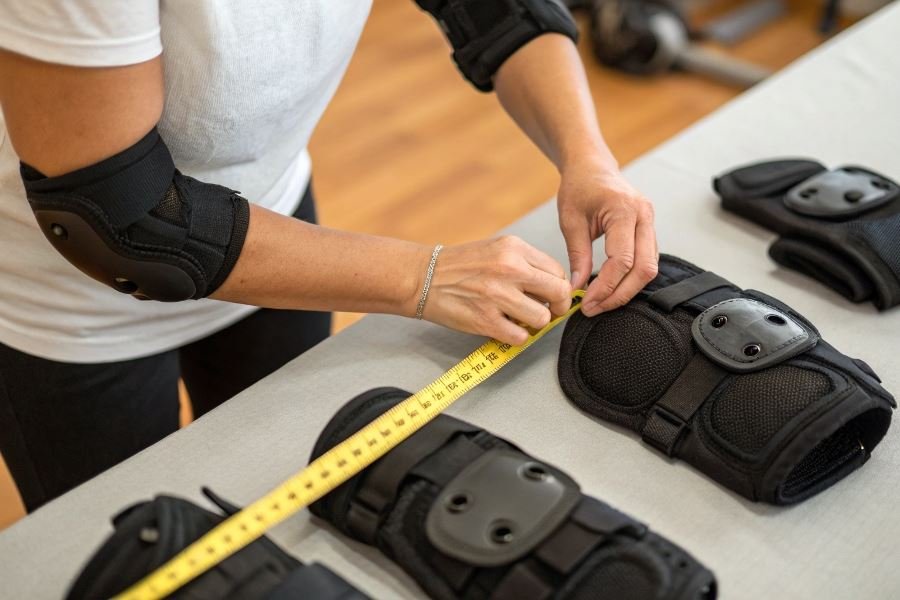
Ever taken a hard fall on the court and felt that searing pain shoot through your elbow? That moment—when you’re clutching your arm and wondering if you’ll be sidelined for weeks—is exactly why elbow protection matters. Athletes across basketball courts, mountain bike trails, and skate parks know this truth all too well.
The right elbow protection isn’t just about comfort—it’s about extending your athletic career and preventing injuries that can plague you for years. Whether you’re grinding through weekend warrior sessions or coaching your teenager’s volleyball team, your elbows deserve serious consideration.
When selecting elbow protection, three critical factors stand above the rest: impact absorption, flexibility during movement, and durability through repeated use. The material makes all the difference between protection that works and gear that fails when you need it most.
Today’s top-performing elbow guards typically feature one of three material champions:
- EVA foam – The lightweight contender
- D3O smart material – The high-tech defender
- Neoprene composites – The versatile all-rounder
Each brings distinct advantages to the protection game, but also comes with limitations that might make it perfect for one sport yet problematic for another. The material that shields a mountain biker might restrict a basketball player, while a volleyball player’s needs differ entirely.
Let’s explore what makes these materials stand out and how to match them to your specific athletic demands.
The Ultimate Guide to Elbow Protection Materials
When it comes to protecting your elbows during intense physical activity, the material of your gear makes all the difference. Whether you’re hitting the court, tackling mountain trails, or recovering from injury, understanding the top 3 materials for elbow protection: advantages and disadvantages can significantly impact your performance and recovery. Let’s dive into what makes each option unique and which might be right for your specific needs.
Neoprene: The Flexible Favorite
Neoprene has become a staple in elbow protection for good reason. This synthetic rubber, originally developed for wetsuits, offers exceptional flexibility that moves with your body rather than restricting it.
Key advantages:
- Superior flexibility that maintains full range of motion
- Excellent moisture-wicking properties that pull sweat away from skin
- Impressive durability with resistance to tears and abrasions
Many athletes praise neoprene’s snug, compression-like fit that provides stability without sacrificing movement. The material’s natural elasticity means it conforms to your unique elbow shape, creating a custom-feeling fit.
However, neoprene isn’t without drawbacks:
- Potential skin irritation for those with sensitive skin or latex allergies
- Significant heat retention that can become uncomfortable during extended use
- Can develop odor over time if not properly cleaned
EVA Foam: The Lightweight Defender
Ethylene-vinyl acetate (EVA) foam has revolutionized protective gear with its remarkable impact absorption capabilities while maintaining minimal weight.
Key advantages:
- Exceptional shock absorption that disperses impact forces
- Incredibly lightweight design that won’t weigh you down
- Budget-friendly pricing compared to other high-performance materials
EVA foam’s closed-cell structure creates tiny air pockets that absorb and distribute impact energy, making it ideal for sports with fall risks or repetitive impacts. Its lightweight nature means you’ll barely notice you’re wearing protection until you need it.
The limitations of EVA foam include:
- Gradual compression over time with heavy use
- Limited breathability that can trap heat and moisture
- Less effective at extremely high impact forces compared to some alternatives
Gel-Based Protection: The Premium Performer
Gel technology represents the cutting edge of elbow protection, offering unmatched shock absorption and pressure distribution properties.
Key advantages:
- Superior impact absorption that outperforms most other materials
- Even pressure distribution that eliminates pressure points
- Exceptional comfort with a cooling sensation against skin
The viscoelastic properties of gel allow it to both absorb shock and return to its original shape quickly. This makes gel-based protection ideal for high-impact activities or those recovering from elbow injuries who need maximum protection.
The trade-offs for this premium protection include:
- Higher price point than other protection options
- Potential durability concerns with punctures or tears
- Added weight compared to foam alternatives
Material Comparison Table
| Material | Impact Protection | Flexibility | Breathability | Durability | Price Range |
|---|---|---|---|---|---|
| Neoprene | Good | Excellent | Moderate | High | $15-40 |
| EVA Foam | Very Good | Good | Poor | Moderate | $10-30 |
| Gel-Based | Excellent | Very Good | Good | Variable | $25-60 |
Choosing the right elbow protection material ultimately depends on your specific activity, intensity level, and personal comfort preferences. The best protection is the one that feels so comfortable you’ll actually wear it consistently.
Maximizing Protection: Choosing the Right Elbow Guard Material
Finding the perfect elbow protection isn’t just about grabbing whatever’s on sale—it’s about matching the right material to your specific needs. After exploring the top materials, let’s dive into how to make that crucial decision that keeps your joints happy and your performance at its peak.
Activity-specific material selection
Different activities demand different protection solutions. For high-impact sports like mountain biking or skateboarding, neoprene-EVA combinations offer that sweet spot of impact absorption and flexibility. Basketball players and volleyball athletes typically benefit from compression sleeves with strategic padding—lightweight enough for quick movements while still offering protection against floor burns and impacts.
For combat sports athletes, nothing beats the comprehensive protection of gel-padded guards. UFC fighters during training sessions rely on these materials to absorb powerful strikes while maintaining mobility.
Intensity level matters tremendously. Weekend warriors might prioritize comfort and flexibility with neoprene options, while professional athletes often need the advanced impact dispersion of gel or multi-density foam combinations.
Longevity and maintenance considerations
The best elbow protection becomes worthless if it deteriorates after a few uses. Here’s what affects long-term performance:
| Material | Lifespan | Maintenance Needs | Best For |
|---|---|---|---|
| Neoprene | 1-2 years with regular use | Hand wash, air dry | Everyday athletes |
| Gel-padded | 2-3 years | Wipe clean, occasional gentle wash | High-impact sports |
| Compression/fabric | 6-12 months | Machine washable (delicate) | Endurance sports |
Proper care dramatically extends product life. Most elbow guards fail prematurely due to improper washing—high heat breaks down elastic components and degrades protective elements. Always follow manufacturer guidelines, which typically recommend cold water washing and air drying.
Storage matters too. Folding or compressing protective gear when not in use can permanently deform padding. Instead, store flat or hung in a well-ventilated area.
Hybrid solutions for optimal protection
The future of elbow protection isn’t about choosing one material—it’s about strategic combinations. Modern designs from companies like McDavid and G-Form incorporate multiple materials in different zones:
- Impact zones: Gel or high-density foam
- Flex points: Breathable compression fabric
- Contact areas: Moisture-wicking, anti-bacterial materials
This targeted approach delivers protection exactly where needed without compromising mobility elsewhere. For instance, mountain bikers benefit from hard-shell protection on the outside elbow with soft, flexible materials at the inner joint.
The most effective protection systems also consider temperature regulation. Overheating leads to discomfort and premature removal—defeating the purpose entirely. Look for designs with strategic ventilation or moisture-managing fabrics that keep you cool during intense activity.
Remember that the perfect elbow protection evolves with your needs. As skill levels increase or activities change, protection requirements shift accordingly. Reassess your needs seasonally, especially if transitioning between indoor and outdoor activities where environmental factors create different demands on protective gear.