
Ever watched a child take a tumble on the skateboard ramp and hold their breath? That moment—suspended between the fall and the cry—is exactly why we’re talking about elbow protection today. With emergency rooms treating over 200,000 playground-related injuries annually, protecting those vulnerable joints isn’t just smart—it’s essential.
When kids race, climb, and explore, their elbows become front-line defenders against the hard surfaces of life. Selecting the right elbow protection involves understanding both the physics of falls and the anatomy of growing bodies. The difference between a scraped elbow and a fracture often comes down to that thin layer of protective gear.
Common injuries proper protection prevents:
- Abrasions and road rash (the painful “cheese grater” effect)
- Contusions that can limit mobility for weeks
- Radial head fractures—particularly common in children under 10
- Olecranon fractures that can affect growth plates
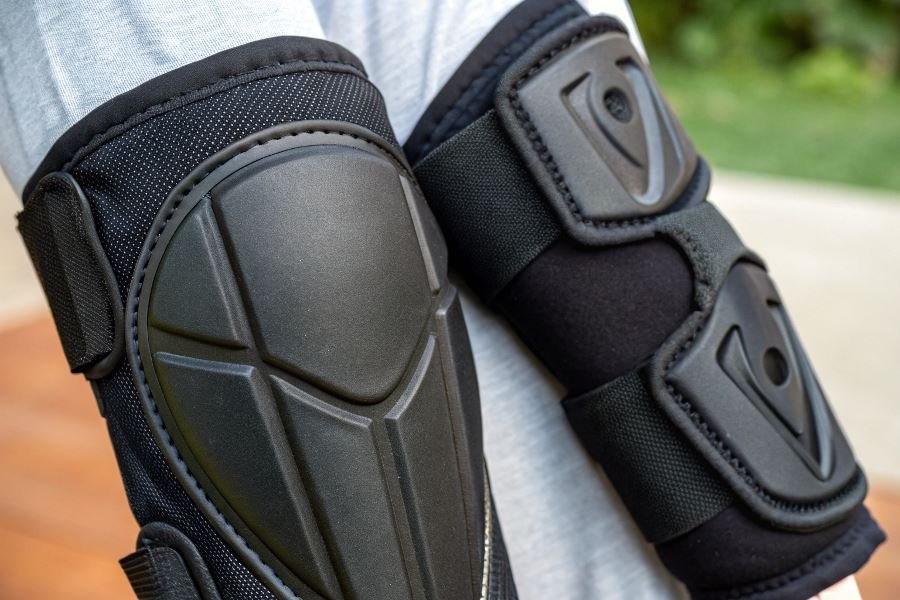
Today’s market offers three primary categories of elbow protection: soft foam sleeves for everyday play, hard-shell pads for skateboarding and aggressive sports, and compression sleeves with reinforced padding for activities like basketball where mobility matters as much as protection.
“The best elbow pad is the one your child will actually wear. Comfort equals compliance.” — Sports Medicine Journal, 2023
Remember: while adults might prioritize durability, children need gear that grows with them, stays put during activity, and—perhaps most importantly—feels cool enough that they’ll willingly strap it on before heading out the door.
What Makes Elite Elbow Protection for Young Athletes
When your child hits the field, court, or skate park, their safety becomes your top priority. The right elbow protection can mean the difference between a minor tumble and a trip to the emergency room. Today’s youth protective gear has evolved dramatically, offering unprecedented levels of protection without sacrificing mobility or comfort.
Selecting appropriate elbow protection for children requires understanding both the technical aspects and practical considerations that impact performance and safety. Parents often struggle with finding the perfect balance between protection level, comfort, and durability when shopping for their young athletes. The key is recognizing that quality protection doesn’t have to come at the expense of your child’s mobility or enjoyment of the sport.
Impact Absorption Technology That Actually Works
The protective core of any quality elbow pad lies in its impact absorption capabilities. Modern youth elbow guards utilize multi-layered protection systems that distribute force across a wider area:
- EVA foam provides lightweight cushioning for minor impacts
- High-density polyethylene creates a rigid shell for serious falls
- D3O technology remains flexible during normal movement but instantly hardens upon impact
The best protection systems combine these materials strategically. For example, G-Form uses proprietary SmartFlex technology that remains soft and flexible until impact, when it instantly stiffens to absorb up to 90% of force.
“The difference between budget and premium pads isn’t just comfort—it’s literally measured in the percentage of impact force transferred to your child’s body.”
Comfort Features That Determine Daily Use
Let’s be honest: the most protective elbow pads are worthless if your child refuses to wear them. Three critical comfort factors determine whether those pads become everyday protection or closet decorations:
| Feature | Why It Matters | What To Look For |
|---|---|---|
| Breathability | Prevents overheating and skin irritation | Moisture-wicking fabrics, ventilation channels |
| Flexibility | Allows natural movement | Anatomical design, articulated joints |
| Weight | Reduces fatigue during extended play | Lightweight materials, minimalist design |
The Triple Eight EP 55 youth elbow pads exemplify this balance with their perforated neoprene sleeves that provide excellent ventilation while maintaining a secure fit.
Durability That Survives Childhood
Children are notoriously hard on equipment, making durability a non-negotiable feature. Quality elbow protection should withstand:
Repeated impacts without compression or degradation of protective materials
Constant adjustment with reinforced stitching at stress points
Regular washing with antimicrobial fabrics that resist odor buildup
Look for double-stitched seams and reinforced attachment points for straps or sleeves. Demon United offers youth elbow pads with replaceable caps—a smart feature that extends product life through multiple seasons and growth spurts.
The maintenance requirements should also match your lifestyle. Some premium pads feature removable, machine-washable sleeves, while others require hand washing. Consider how much time you’re willing to invest in gear maintenance when making your selection.
Remember that properly maintained elbow protection not only lasts longer but also maintains its protective capabilities throughout its lifespan—ensuring your child stays safe season after season.
Finding the Perfect Fit for Kids’ Elbow Protection
When your young athlete hits the field, court, or skate park, proper elbow protection isn’t just about having gear—it’s about having the right-sized gear that stays in place during those critical moments. Let’s dive into the science and art of finding elbow protection that fits like it was custom-made for your child’s adventures.
Age-based sizing demystified
Children’s elbow pads typically follow age ranges, but these are just starting points. A general guideline looks something like this:
| Age Group | Typical Size | Circumference Range |
|---|---|---|
| 3-5 years | XS | 6-7 inches |
| 6-8 years | S | 7-8 inches |
| 9-11 years | M | 8-9 inches |
| 12-14 years | L | 9-10 inches |
| 15+ years | XL | 10-11+ inches |
Remember that these ranges vary between manufacturers like Nike and Under Armour. A 7-year-old competitive gymnast might need a different size than a 7-year-old casual bike rider.
The right size isn’t about age—it’s about dimensions, activity level, and protection needs.
Measurement mastery for perfect protection
Getting accurate measurements is the cornerstone of proper fit. Here’s the foolproof method:
- Measure at the midpoint: With the arm slightly bent (about 30 degrees), measure around the middle of the elbow.
- Check the forearm: Measure the circumference about 2 inches below the elbow joint.
- Don’t forget the bicep: Measure about 2 inches above the elbow joint.
Pro tip: Use a soft measuring tape and keep it snug but not tight—you should be able to slip one finger underneath.
Spotting the signs of perfect fit
A well-fitted elbow pad will:
- Stay put during movement without sliding down or rotating
- Allow full range of motion without restriction
- Cover the entire elbow joint plus 1-2 inches above and below
- Feel comfortable for at least 30 minutes of continuous wear
- Have no pinching or chafing at the edges
If your child complains about the pads being “annoying” or constantly adjusts them, that’s a red flag for poor fit.
Adjustment tricks for optimal protection
Even the best elbow pads might need some tweaking:
- Double-check the straps: They should be secure but not leave deep marks on the skin
- Layer appropriately: In cold weather, account for additional clothing underneath
- Test in action: Have your child mimic their sport movements before committing
- Consider growth room: For seasonal sports, a slightly larger size with proper adjustability might make economic sense
Products like G-Form Elite offer innovative adjustment systems that grow with your child, while McDavid HexPad provides compression sleeves that eliminate strap issues altogether.
Remember that elbow protection that stays in place is the only protection that works when it matters most. A perfectly fitted pad might be the difference between a minor tumble and a season-ending injury for your young athlete.