
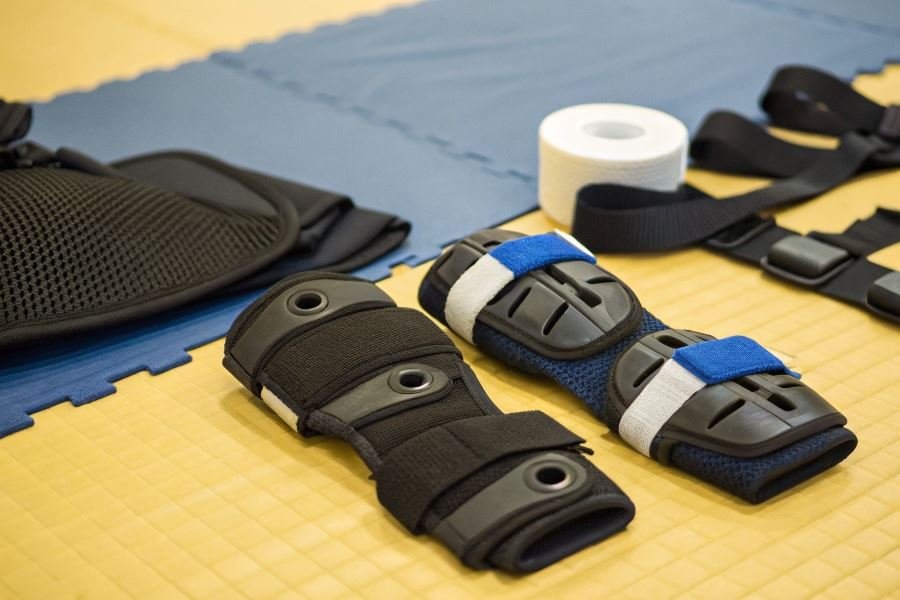
Ever noticed how the most crucial gear tends to wear out right when you need it most? Your elbow protection is no exception. Whether you’re diving for that game-winning volleyball save or pushing through another set at the gym, those elbow sleeves and pads are taking a beating—literally—to keep you in the game.
The difference between elbow protection that lasts six months versus two years often comes down to simple maintenance habits. Most athletes replace their gear prematurely, not realizing that proper care could have extended its life significantly while maintaining optimal performance and protection.
Material matters more than you think. Neoprene sleeves require different treatment than compression fabric or hard-shell pads. Neoprene absorbs sweat and oils, making regular cleaning essential to prevent deterioration and odor. Meanwhile, compression fabrics with elastane need gentle washing to preserve elasticity, and hard-shell pads with EVA foam require surface cleaning that won’t compromise impact absorption.
“The average athlete loses $75-150 annually replacing elbow protection that could have lasted twice as long with proper care.” – Sports Equipment Durability Study
Why does this matter? Beyond saving money, well-maintained elbow protection provides consistent support and protection. The compression elements maintain their pressure levels, padding retains its shock absorption properties, and the overall structural integrity remains intact—keeping you safer during those critical moments when split-second protection matters most.
Material-specific care approaches
| Material Type | Washing Method | Drying Recommendation | Special Considerations |
|---|---|---|---|
| Neoprene | Hand wash, mild soap | Air dry flat | Avoid direct sunlight |
| Compression fabric | Gentle machine cycle | Hang dry | No fabric softeners |
| Hard-shell/EVA foam | Surface wipe only | Air dry | Never machine wash |
Keeping Elbow Guards Game-Ready
Let’s face it—elbow protection is your frontline defense against nasty impacts, scrapes, and potential injuries. But even the toughest guards need proper maintenance. Proper care for elbow protection to extend its lifespan isn’t just about preserving your investment—it’s about ensuring consistent performance when you need it most.
Whether you’re hitting mountain trails on your bike, skating at the park, or playing contact sports, knowing how to maintain your elbow guards can mean the difference between gear that lasts seasons and equipment that fails when you need it most. The cleaning methods you choose directly impact both comfort and durability, so let’s dive into the essentials.
Daily Maintenance for Different Materials
Different elbow guards require different cleaning approaches based on their construction materials:
Neoprene Guards: These flexible, compression-style guards need gentle handling. Hand wash with mild soap and lukewarm water—never hot, as heat breaks down neoprene’s elasticity. Gently squeeze (don’t wring) to remove excess water.
Hard-Shell Protectors: Guards with plastic or carbon fiber shells can handle more aggressive cleaning. Remove any detachable padding first, then clean the hard shell with antibacterial wipes or a damp cloth with mild soap. For stubborn dirt in crevices, an old toothbrush works wonders.
Foam/Gel Padding: These absorbent materials require special attention. Most can be hand washed, but avoid soaking completely as this can degrade the impact-absorption properties.
Cleaning Products That Won’t Compromise Protection
The right cleaning agents preserve both function and form:
| Cleaning Agent | Best For | Avoid On |
|---|---|---|
| Mild Soap | All materials | N/A |
| Sports Equipment Cleaners | Hard shells, synthetic fabrics | Gel inserts |
| White Vinegar Solution (1:3) | Odor elimination | Leather components |
| Baking Soda Paste | Stain removal | Elastic materials |
Never use: Bleach, fabric softeners, or harsh detergents—these break down protective materials and compromise elasticity. Nikwax Tech Wash is specifically formulated for technical athletic gear and preserves water-repellent coatings.
Pro tip: For guards with antimicrobial treatments, use only water and mild soap to preserve the bacteria-fighting properties.
Drying Techniques That Preserve Performance
How you dry your elbow protection is just as important as how you clean it:
Air Drying: Always the safest method. Lay guards flat or hang in a well-ventilated area away from direct sunlight, which can degrade materials and fade colors.
Towel Pressing: For faster drying, press (don’t wring) between clean towels to remove excess moisture before air drying.
What to Avoid: Never use machine dryers, hair dryers, or radiators—heat is the enemy of elastic components and adhesives that hold multi-layer guards together.
Storage While Drying: Shape your guards properly while drying to prevent warping. For compression sleeves, a rolled-up towel inside can maintain shape.
The post-cleaning phase is critical—guards stored while still damp become breeding grounds for bacteria and mildew, creating both odor issues and potential skin irritations. Ensure guards are 100% dry before storing, especially if they’re going into a gym bag or closed container.
By implementing these cleaning and drying protocols, your elbow protection will maintain its structural integrity, hygiene standards, and protective capabilities through countless sessions, saving you money while keeping you safer during every activity.
Storage Secrets That Double Your Elbow Protection Lifespan
Let’s face it—you’ve invested in quality elbow protection to keep yourself in the game, but are you giving it the TLC it deserves when it’s not in action? The difference between gear that lasts a season and gear that lasts years often comes down to what happens after you take it off. Let’s dive into the maintenance playbook that the pros follow.
The storage sanctuary your gear deserves
Your elbow guards are fighting a battle against the elements even when they’re sitting in your closet. The enemies? Heat, humidity, and improper positioning.
Temperature control is non-negotiable. Store your elbow protection in a cool, dry place away from direct sunlight. UV rays break down synthetic materials and elastics over time, while excessive heat can warp protective padding and compromise its shock-absorption capabilities.
The ideal storage environment sits between 60-75°F with humidity below 60%. Think bedroom closet, not garage or trunk.
Never store elbow guards compressed or folded. This creates memory in the materials, leading to permanent deformation that reduces both comfort and protection. Instead, use these pro techniques:
- Hang guards on wide hooks using fabric loops
- Store flat in drawers with adequate space
- Use breathable mesh bags rather than plastic containers
- Position away from equipment with sharp edges
Inspection routines that save your season
The best athletes have a sixth sense about their equipment. Develop yours with a regular inspection routine that catches problems before they become game-enders.
Weekly quick-check (30 seconds):
- Visual scan for loose threads or seams
- Flex test for unusual stiffness or softness
- Strap and closure test for secure fastening
Monthly deep dive (5 minutes):
| Area to Inspect | Warning Signs | Action Needed |
|---|---|---|
| Padding | Compression that doesn’t rebound | Rotation in use pattern |
| Stitching | Fraying or separation | Immediate repair |
| Elastic components | Stretched or brittle feel | Replacement planning |
| Impact plates | Hairline cracks or chips | Safety evaluation |
Many professional athletes mark their calendar with equipment inspection dates—it’s that important. The minute you spot early wear signs, you can adjust usage patterns to distribute stress more evenly across the protection.
DIY repair techniques that professionals swear by
Minor damage doesn’t mean game over for your elbow protection. With the right approach, you can extend its life significantly.
For loose stitching: Don’t wait until it unravels completely. Use a heavy-duty needle and matching thread from Singer to reinforce weakening seams with a simple whip stitch.
For velcro that’s losing grip: Clean hook-and-loop fasteners with a fine-tooth comb to remove debris, then revitalize with a careful pass of a heat gun on low setting (keep it moving to avoid melting).
For padding compression: Alternate which guards you use for practice versus competition. When padding shows signs of compression, use a soft brush to gently “fluff” foam materials, restoring some of their original volume.
For exterior scuffs: Light abrasions on hard shells can be smoothed with 1000-grit sandpaper followed by a microfiber cloth with silicone-based protectant.
Remember that DIY repairs are meant for extending life between replacements—not substituting for new equipment when safety is compromised. When in doubt, consult with a professional equipment manager about whether your repair job meets safety standards.
By implementing these storage, inspection, and repair practices, you’re not just saving money—you’re ensuring your protection performs at its peak when you need it most.