
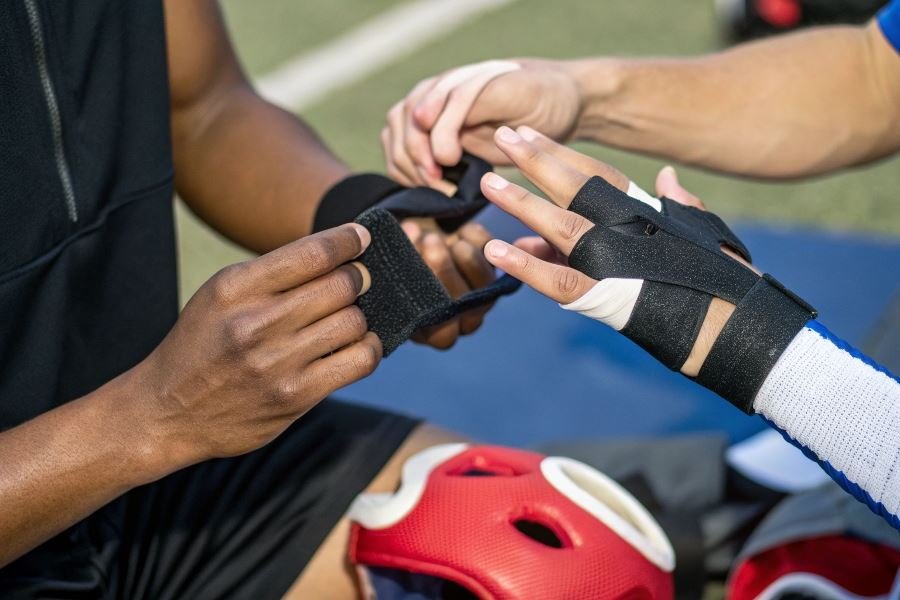
Ever watched a pro skateboarder take a brutal fall, only to pop right back up and keep riding? That’s not just skill—it’s quality elbow protection doing its job. The difference between walking away from a crash and weeks of painful recovery often comes down to what’s covering your elbows.
When it comes to protecting these crucial joints, not all gear is created equal. The market is flooded with options ranging from basic sleeves to high-tech impact shields, but identifying truly effective protection requires knowing what separates the champions from the pretenders.
The injury prevention powerhouse
Elbow guards serve as your personal insurance policy against one of the body’s most vulnerable points. These joints handle tremendous stress during athletic activities, with limited natural padding. Quality protection disperses impact forces across a wider area, preventing the concentrated trauma that leads to fractures, dislocations, and severe abrasions.
Protection varieties: Finding your perfect match
The protection landscape offers several distinct categories:
- Compression sleeves: Provide minimal impact protection but excellent joint stability
- Padded guards: Feature foam or gel inserts for moderate impact absorption
- Hard-shell protectors: Incorporate rigid plastic or carbon fiber plates for maximum impact resistance
- Hybrid designs: Combine elements of multiple types for balanced protection
Why quality matters beyond the price tag
The consequences of subpar protection extend far beyond immediate injury. Every time you suit up with inferior gear, you’re gambling with your athletic future. Quality elbow protection doesn’t just prevent injuries—it enhances performance by building confidence. When you trust your protection, you push boundaries without hesitation.
The best guards also offer longevity through multiple impacts, proper anatomical design that works with your body’s natural movement, and materials that breathe while protecting. These aren’t just features—they’re necessities for anyone serious about their sport and long-term joint health.
Essential Signs of Quality Elbow Protection
Material Composition That Lasts
When searching for elite elbow protection, material quality stands as your first line of defense against injury. Premium guards typically feature a tri-layer construction: a tough outer shell (usually polycarbonate or high-density polyethylene), shock-absorbing foam middle layer (EVA or polyurethane), and moisture-wicking inner lining. The combination of these materials creates the foundation for identifying signs of quality elbow protection: what to pay attention to when buying these crucial pieces of safety equipment.
Top-tier products from brands like McDavid or Shock Doctor utilize medical-grade materials that maintain structural integrity even after repeated impacts. Look for reinforced stitching patterns—the industry standard is double or triple stitching at stress points. Quality elbow guards should maintain their protective properties through hundreds of hours of use without compression degradation.
Material durability indicators:
- Compression recovery rate of 95%+ after 24 hours
- Water resistance rating of at least IPX4
- UV-stabilized outer materials to prevent sun damage
- Antimicrobial treatments in the fabric lining
Design Features That Protect and Move
The architecture of elite elbow protection reveals itself through thoughtful design elements that balance protection with mobility. Anatomical contouring—where the guard follows the natural shape of your arm—represents the gold standard in protection engineering.
The difference between basic and premium protection often lies in the articulation points. Quality guards feature segmented padding that creates natural flex zones, allowing full range of motion without sacrificing coverage. This multi-segment approach distributes impact forces across a wider area while maintaining mobility.
| Design Feature | Function | Quality Indicator |
|---|---|---|
| Anatomical cups | Conform to elbow shape | Pre-curved design, not flat |
| Articulation points | Allow natural movement | Minimum 3 flex zones |
| Side impact protection | Guards against lateral hits | Extended coverage beyond joint |
| Ventilation channels | Prevents overheating | Strategic mesh placement |
Look for asymmetrical designs that account for the different shapes of your inner and outer elbow. Premium guards from G-Form utilize SmartFlex technology that remains flexible during normal movement but instantly hardens upon impact—a hallmark of innovative protection design.
Proper Sizing and Fit Characteristics
Even the most advanced elbow protection becomes worthless if it doesn’t stay in place during activity. The sizing system should be comprehensive—not just S/M/L but actual measurements in inches or centimeters. Quality manufacturers provide detailed sizing charts with multiple measurement points (bicep, forearm, and elbow circumference).
Key fit indicators include:
- Dual-strap systems that prevent migration during movement
- Silicon grip strips on interior surfaces
- Compression zones that maintain position without restricting circulation
- Tapered edges that prevent digging into surrounding tissue
The elite-level fit should create what protection specialists call a “second skin” sensation—secure enough to stay in place during dynamic movements but comfortable enough to forget you’re wearing protection. Storelli exemplifies this approach with their BodyShield arm guards, which utilize compression fabrics with targeted protection zones.
Remember that proper sizing transcends mere comfort—it directly impacts protective capability. A guard that shifts during impact may expose vulnerable areas precisely when protection is most needed. The hallmark of quality protection is consistent coverage through every movement, from full extension to maximum flexion.
Beyond Basics: Advanced Quality Markers for Elbow Protection
Trust the standards not the hype
When evaluating elbow protection, certification standards are your first line of defense against inferior products. The American Society for Testing and Materials (ASTM) has developed specific protocols like ASTM F2083 for protective equipment. Products meeting these standards have undergone rigorous impact testing, ensuring they can absorb and distribute force effectively.
CE certification is another gold standard, particularly for products sold in international markets. The EN 1621-1 standard specifically addresses limb protectors and measures impact absorption capabilities under controlled conditions. When a product displays this marking, it means the protection has been tested to absorb at least 35kN of force while transmitting no more than 35kN to your elbow.
The difference between certified and non-certified protection can be the difference between a minor bruise and a season-ending injury.
Look for products that openly share their testing results rather than making vague claims. Some premium manufacturers even exceed minimum requirements, offering protection that absorbs 50-60% more impact than required by standard protocols.
Brand legacy speaks volumes
Not all elbow protection is created equal, and brand reputation often reflects consistent quality over time. Companies like G-Form and McDavid have built their reputations through years of product refinement and athlete feedback.
When evaluating brands, consider:
| Factor | What It Tells You |
|---|---|
| Years in business | Experience developing protective technology |
| Professional endorsements | Real-world testing at elite levels |
| Warranty length | Manufacturer confidence in durability |
| Replacement policies | Brand commitment to customer satisfaction |
The best manufacturers stand behind their products with warranties that cover manufacturing defects for at least 12 months. Some premium brands offer extended coverage up to 24 months, reflecting confidence in their materials and construction.
Real-world performance trumps marketing
Laboratory tests provide baseline measurements, but nothing replaces real-world performance data. User reviews offer invaluable insights into how protection performs under actual conditions that certification tests can’t replicate.
When analyzing user feedback, focus on:
- Durability reports after multiple impacts
- Comfort during extended wear periods
- Performance in varying environmental conditions
- Maintenance requirements over time
Professional athletes often provide the most demanding testing environments. Products like POC Joint VPD System Elbow protectors have earned their reputation through consistent performance in competitive mountain biking and skateboarding.
Look for reviews that mention specific scenarios: “Held up after three direct impacts on concrete” provides more valuable information than “Good protection.” Similarly, feedback about how the protection performs in hot, cold, or wet conditions gives you insight into real-world versatility.
The most telling reviews often come from users who’ve actually experienced impacts while wearing the protection. These testimonials provide concrete evidence of performance when it matters most – during an actual fall or collision.
Remember that the best elbow protection balances certified safety standards with practical usability. The perfect guard is one that meets rigorous testing protocols, comes from a reputable manufacturer, and has proven its worth in conditions similar to those you’ll face.