
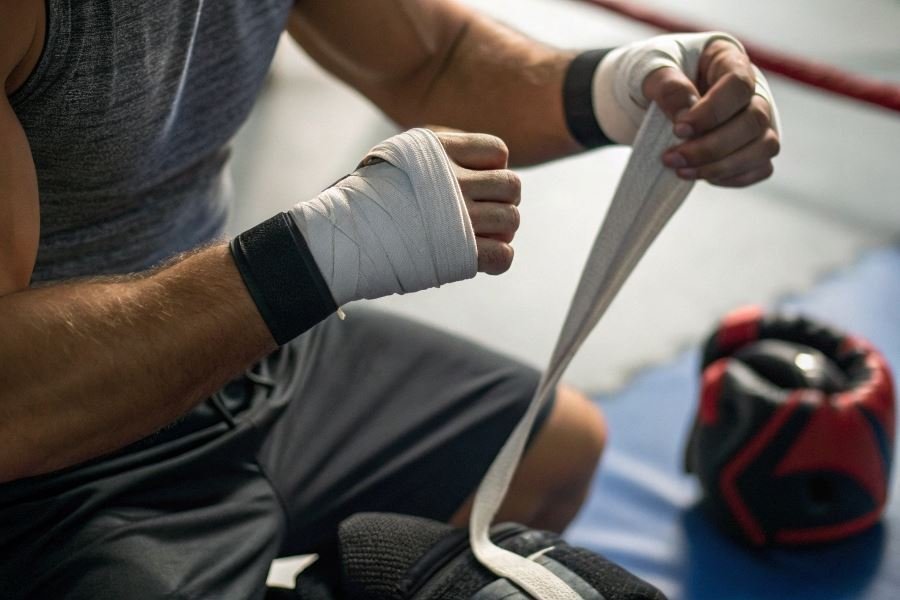
Ever watched a basketball player grimace in pain after a ball smashed their fingers? Or a volleyball athlete tape up before a match? That’s no coincidence—nearly 30% of all sports-related injuries involve fingers and hands, with team sports leading the charge.
When you’re diving for that game-winning volleyball save or reaching for an interception on the football field, your fingers are literally on the front line. Finger protection isn’t just equipment—it’s insurance for your athletic future. The difference between proper finger protection and going without can mean the difference between playing next weekend or spending six weeks in recovery.
The real cost of finger injuries
Jammed fingers, dislocations, and fractures don’t just hurt in the moment—they can derail entire seasons. Take basketball, where finger injuries account for approximately 25% of all injuries. A simple sprain might sideline you for 2-3 weeks, while a fracture could mean 6-8 weeks of watching from the bench.
The long-term impact? Even more sobering. Athletes who suffer multiple finger injuries often develop chronic joint stiffness, reduced grip strength, and early-onset arthritis. What begins as “just a jammed finger” can evolve into a lifetime of compromised hand function.
Protection options that actually work
For beginners, the finger protection landscape might seem overwhelming, but it breaks down into three main categories:
- Taping techniques: Cost-effective but requires proper application
- Finger sleeves/caps: Offers moderate protection with excellent mobility
- Sport-specific guards: Designed for particular movements and impact types
The right choice depends on your sport, position, and previous injury history. Basketball guards might prioritize finger sleeves for shooting touch, while football linemen need robust splinting systems that can withstand constant impact.
Finger Protection Arsenal for Team Sports
When you’re diving for a volleyball, catching a football, or blocking a shot on the basketball court, your fingers are often the first point of contact—and the first casualty. Selecting the right finger protection can mean the difference between staying in the game and watching from the sidelines. Let’s break down your options so you can make an informed choice about finger protection for team sports as a beginner, focusing on durability, comfort, and the level of support you need.
Tape Techniques That Work
Athletic tape remains the most versatile and cost-effective finger protection solution across sports. Johnson & Johnson athletic tape ($5-8 per roll) offers excellent adhesion without restricting circulation. The beauty of tape lies in its customization—you can apply as much or as little as needed.
Buddy taping deserves special attention. This technique involves taping an injured finger to its healthy neighbor, creating a natural splint. For basketball players dealing with jammed fingers, this method provides stability while maintaining dexterity.
Pro tip: Pre-wrap your fingers with thin foam or cotton before applying tape to prevent skin irritation during extended play.
| Taping Method | Best For | Approximate Cost |
|---|---|---|
| Standard Wrap | General protection | $5-8/roll |
| Figure-8 Wrap | Knuckle stability | Same roll |
| Buddy Taping | Sprains, minor fractures | Same roll + spacers ($3-5) |
Sleeves and Compression Solutions
Finger sleeves have revolutionized protection for athletes who need consistent support without reapplication. Nike and Under Armour offer compression sleeves ($10-15 per set) that provide warmth to joints while stabilizing without limiting range of motion.
Volleyball players particularly benefit from these sleeves when dealing with repeated impact. The compression element helps reduce swelling during play and can accelerate recovery between games.
Material matters: Neoprene sleeves offer more rigid support, while lycra blends provide greater flexibility. Consider your sport’s demands—football receivers might prefer the tactile sensitivity of thinner materials, while rugby players might opt for thicker protection.
Rigid Protection Systems
When dealing with more serious injuries or prevention needs, rigid splints become essential equipment. LP Support makes aluminum-stay finger splints ($15-25) that offer maximum protection for fingers recovering from fractures or severe sprains.
These systems typically feature:
- Moldable aluminum cores that can be shaped to your finger’s natural position
- Padded coverings to prevent injury to teammates during contact
- Adjustable straps for customized compression
Basketball centers and handball defenders find these invaluable when returning from injury. The rigid support prevents hyperextension while allowing controlled movement.
Warning: Never use rigid splints without medical clearance if you’re recovering from an injury. Improper support can delay healing or cause additional damage.
| Protection Type | Support Level | Mobility Level | Price Range |
|---|---|---|---|
| Athletic Tape | Low-Medium | High | $5-10 |
| Finger Sleeves | Medium | Medium-High | $10-20 |
| Rigid Splints | High | Low-Medium | $15-30 |
Your choice ultimately depends on your sport’s specific demands and your injury status. Football quarterbacks need different protection than volleyball blockers. Start with less restrictive options and progress to more supportive solutions only as needed. Remember that the best protection allows you to play confidently without constantly thinking about your fingers.
The Game-Changing Guide to Finger Protection
When you’re diving for a volleyball, catching a football, or blocking a basketball shot, your fingers are on the front lines. Proper finger protection isn’t just an accessory—it’s essential equipment that can extend your playing career and keep you in the game when it matters most.
Sport-specific protection requirements
Different team sports demand different types of finger protection based on the unique stresses they place on your hands:
Basketball players typically need tape or specialized finger sleeves that allow for ball handling while providing lateral stability. The constant catching, passing, and shooting in basketball makes players particularly vulnerable to jammed fingers and sprains.
“I never understood the importance until I dislocated two fingers in one season. Now I won’t step on the court without proper protection,” shares professional basketball player Marcus Thompson.
Volleyball athletes require more rigid support, especially for setters and defensive specialists. The Mizuno finger supports are popular because they combine flexibility with reinforced side panels to prevent hyperextension during blocks and digs.
Football players, particularly receivers and defensive backs, need solutions that balance protection with tactile sensitivity. Many opt for specialized receiver gloves with integrated finger supports or supplemental finger caps that can be worn under gloves.
Material, durability and comfort factors
The materials used in finger protection dramatically impact both performance and protection level:
| Material | Durability | Comfort | Best For |
|---|---|---|---|
| Neoprene | High | Excellent | Extended wear |
| Silicone | Medium | Good | Impact protection |
| Athletic tape | Low (single-use) | Variable | Custom support |
| Thermoplastic | Very high | Moderate | Serious injuries |
Breathability matters more than you might think. During intense play, moisture buildup can cause slippage and discomfort. Look for products with ventilation channels or moisture-wicking properties like those offered by McDavid.
Durability considerations should match your playing frequency. Weekend warriors might be fine with basic options, while those playing multiple times per week should invest in commercial-grade protection that can withstand repeated impact and washing.
Sizing and application techniques
Even the best finger protection fails if improperly sized or applied. Here’s what beginners need to know:
Measure twice, buy once. Most manufacturers provide specific sizing charts. For finger sleeves and supports, measure the circumference of your finger at the largest joint. For tape, ensure you have enough width options (½” and ¾” are most versatile).
Application technique matters. When using athletic tape:
- Start with pre-wrap to protect skin
- Anchor the tape at the base of the finger
- Spiral upward with 50% overlap
- Avoid complete circulation restriction
For pre-made supports, ensure they’re snug but not cutting off circulation. You should be able to bend your finger comfortably while feeling supported against lateral movement.
Consider combination approaches for serious protection. Many professional athletes use a base layer of specialized finger sleeves from Nike or Under Armour with strategic taping over high-stress areas.
Remember that proper finger protection isn’t just about preventing injuries—it’s about playing with confidence. When you’re not worried about your fingers, you can focus on making the game-winning play instead of nursing an injury on the sidelines.