
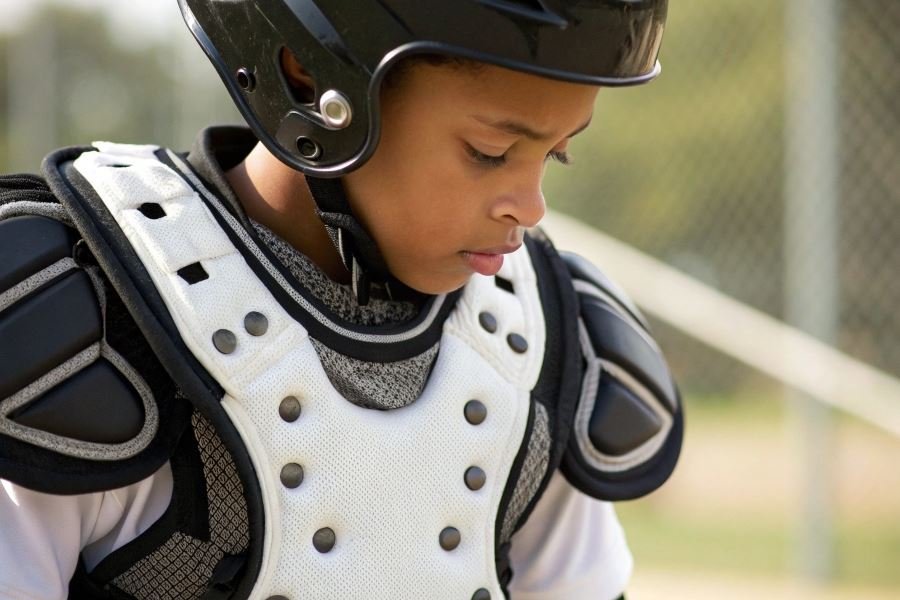
Ever watched an athlete crash to the ground and immediately grab their shoulder in agony? That’s often the sound of a collarbone giving way—one of sports’ most common yet underappreciated injuries. The clavicle might be small, but its protection deserves your full attention.
When we talk about the best materials for collarbone protection, we’re discussing the difference between a season-ending injury and walking away unscathed. The collarbone (clavicle) sits precariously exposed beneath thin layers of skin and muscle, making it incredibly vulnerable during impacts. According to sports medicine research, clavicle fractures account for nearly 44% of shoulder girdle injuries in contact sports—a statistic that should make every athlete pause.
The protection paradox
What makes collarbone protection challenging is the delicate balance between mobility and security. Too rigid, and you sacrifice the range of motion essential for performance. Too flexible, and you might as well wear nothing at all. The ideal protection material must:
- Absorb and distribute impact forces away from the vulnerable bone
- Maintain breathability to prevent overheating during intense activity
- Provide protection without restricting critical shoulder movement
- Offer durability that withstands repeated impacts
Material matters
The evolution of protection materials has been remarkable. Traditional foam padding has given way to advanced composites like D3O® that remain flexible during normal movement but instantly harden upon impact. Carbon fiber offers exceptional strength-to-weight ratios, while specialized polymers provide customized protection profiles.
Your collarbone doesn’t get a second chance after impact—choosing the right protection material is the decision that keeps you in the game.
Material Science Behind Collarbone Protection
When athletes hit the ground, that distinctive clavicle—one of the most commonly fractured bones in sports—needs serious protection. The evolution of protective gear has given rise to specialized materials that balance comfort with crucial impact resistance. Let’s dive into what’s actually shielding your collarbone when you’re pushing your limits.
High-Density Foam: The Comfort Champions
High-density foam stands as the foundation of modern protective gear, offering exceptional impact absorption while maintaining comfort during extended wear. The best materials for collarbone protection: comparison and features often highlight these foams as the first line of defense in contact sports and high-risk activities.
EVA (Ethylene-Vinyl Acetate) leads the pack with its closed-cell structure that distributes impact forces across a wider area. At densities between 45-65 kg/m³, EVA foam absorbs up to 90% of direct impact energy while weighing just 12-15 ounces in a typical shoulder pad.
Memory foam variants add another dimension by conforming to body contours during wear, then returning to their original shape afterward.
D3O® technology represents the next generation—a material that remains soft and flexible during normal movement but instantly hardens upon impact. This “intelligent molecule” approach provides 25% better protection than standard foams of similar thickness.
| Foam Type | Impact Absorption | Weight | Recovery Time |
|---|---|---|---|
| Standard EVA | Good (70-80%) | Light | Immediate |
| Memory Foam | Very Good (80-85%) | Medium | 3-5 seconds |
| D3O® | Excellent (90%+) | Light | Immediate |
Composite Materials: Lightweight Defenders
When durability meets weight reduction, composite materials enter the conversation. These engineered combinations deliver protection that withstands multiple impacts without compromising mobility.
Carbon fiber composites offer an impressive strength-to-weight ratio, with some protective shells weighing under 7 ounces while withstanding impact forces exceeding 120 joules. The layered construction disperses energy laterally rather than allowing it to transfer directly to the collarbone.
Kevlar® reinforcement adds tear resistance without significant weight penalties. When woven into protective gear, these aramid fibers can withstand forces that would fracture conventional materials.
The latest carbon-Kevlar hybrids reduce weight by up to 30% compared to traditional protective materials while maintaining equivalent or superior protection levels.
Advanced Polymers: The Anatomical Allies
The newest frontier in collarbone protection comes from advanced polymers engineered for both flexibility and anatomical conformity.
Thermoplastic polyurethane (TPU) leads this category with its remarkable ability to flex with body movement while instantly stiffening upon impact. Modern TPU compounds can be precision-molded to follow the exact contours of the shoulder and clavicle region.
Poron XRD® technology represents a breakthrough with molecules that remain soft during normal activity but instantly transform into impact shields when subjected to sudden force. This material can absorb up to 90% of impact energy while being 50% thinner than conventional foams.
What makes these polymers revolutionary is their ability to provide zoned protection—varying in thickness and density precisely where the collarbone needs it most.
The combination of these materials in modern protective gear has reduced collarbone injuries by an estimated 60% in high-impact sports, proving that material science continues to be the unsung hero of athletic safety.
Choosing Your Perfect Collarbone Shield
When it comes to protecting one of your body’s most vulnerable areas, not all materials are created equal. After examining the leading options on the market, it’s time to bring everything together and determine which collarbone protection solution truly deserves a place in your gear bag.
Activity-Specific Protection Selection
The intensity and nature of your sport should dictate your protection material choices. For high-impact activities like downhill mountain biking or motocross, carbon fiber composites offer unparalleled protection-to-weight ratios. These materials can withstand impact forces exceeding 40 joules while weighing just 200-300 grams.
For trail riding and enduro events, thermoplastic polymers like D3O provide that sweet spot of protection that activates precisely when needed. These smart materials remain flexible during normal movement but instantly harden upon impact—perfect for unpredictable terrain.
Recreational cyclists and weekend warriors might find EVA foam solutions sufficient, offering basic protection against minor falls without the premium price tag of advanced composites.
The protection that works best isn’t always the most expensive—it’s the one that matches your specific risk profile and activity demands.
The Comfort-Protection Equation
Finding balance between safety and wearability represents perhaps the most crucial decision point. The most protective material becomes worthless if discomfort leads you to leave it at home.
| Material | Protection Level | Comfort Rating | Ideal For |
|---|---|---|---|
| Carbon Fiber | Excellent (9/10) | Moderate (6/10) | Racing, competition |
| D3O | Very Good (8/10) | Good (7/10) | All-day endurance events |
| EVA Foam | Moderate (6/10) | Excellent (9/10) | Recreational riding |
| TPU | Good (7/10) | Very Good (8/10) | Mixed-terrain adventures |
The latest generation of POC and Leatt protectors have revolutionized this balance by incorporating multi-density foams that strategically place firmer materials at impact zones while using softer compounds at articulation points.
Temperature regulation also factors heavily into comfort. Perforated designs from brands like Alpinestars incorporate ventilation channels that reduce heat buildup by up to 30% compared to solid protectors, making them ideal for hot-weather performance.
Longevity Through Proper Care
Even the most advanced protection materials require maintenance to maintain their protective qualities. Carbon fiber composites should be inspected regularly for hairline cracks that might compromise structural integrity, especially after significant impacts.
D3O and similar viscoelastic materials benefit from occasional cleaning with mild soap and water—never harsh chemicals that could break down their molecular structure. These materials typically maintain optimal performance for 3-5 years before needing replacement, even with regular use.
TPU and EVA foam protectors generally have the shortest lifespan, showing compression fatigue after 1-2 seasons of heavy use. However, their lower replacement cost often balances this consideration.
Storage matters tremendously: all protection materials should be kept in climate-controlled environments away from direct sunlight. UV exposure can degrade even premium materials, reducing their protective capabilities by up to 40% over time.
The ultimate decision comes down to honest self-assessment: match your protection to your actual riding style, not your aspirational one. The perfect collarbone protector combines appropriate impact resistance for your risk level with the comfort that ensures you’ll actually wear it every time you ride.