
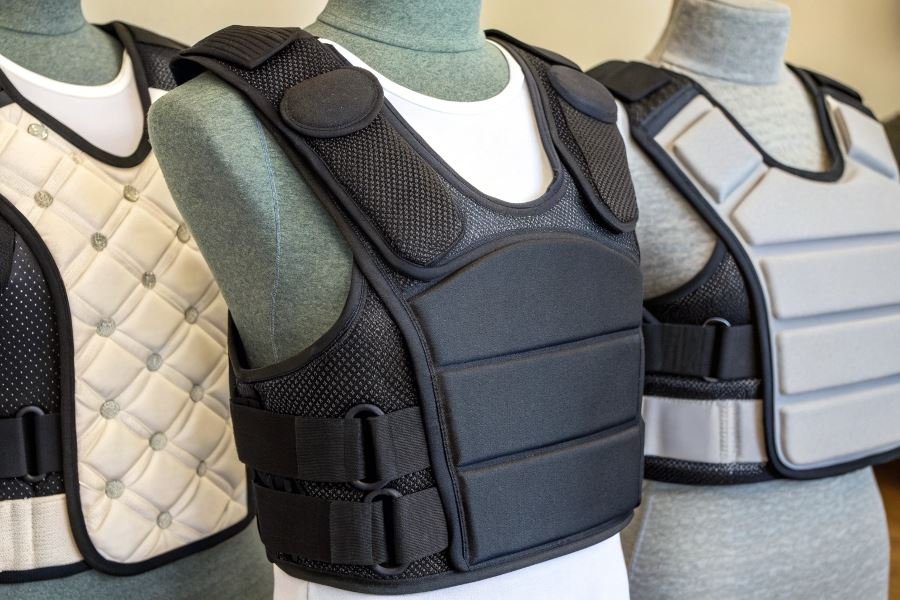
Crack! That’s the sound no athlete wants to hear. In the split second between impact and pain, a career can change forever. Clavicle injuries—those breaks to the collarbone that connect your shoulder to your sternum—represent one of the most common and potentially devastating injuries in contact sports today.
When NFL star Tony Romo suffered his third clavicle fracture in 2015, it highlighted a critical question in protective gear design: should athletes opt for universal protection systems that cover multiple vulnerability points, or specialized guards focused exclusively on shielding the collarbone?
The alarming reality of clavicle injuries
The statistics tell a sobering story. According to the American Journal of Sports Medicine, clavicle fractures account for up to 44% of shoulder injuries in contact sports like football, hockey, and rugby. Even seemingly lower-impact activities aren’t immune—cycling accidents cause approximately 35% of all clavicle fractures treated in emergency departments annually.
Understanding your protection options
Universal protection systems integrate clavicle guards into broader shoulder pad designs, distributing impact across larger areas while providing moderate protection to multiple vulnerability points. Think of them as the all-in-one solution.
Specialized clavicle protection, by contrast, offers targeted reinforcement through dedicated shields, plates, or anatomically designed inserts that focus exclusively on the collarbone. These systems typically feature advanced impact-absorbing materials like D3O or proprietary composites that harden on impact.
The difference isn’t just in design philosophy—it’s about matching protection to your specific risk profile, sport demands, and personal comfort preferences. The right choice could mean the difference between playing through the season or watching from the sidelines.
The Science Behind Clavicle Protection: Universal vs Specialized Solutions
When athletes hit the field, track, or court, protecting the collarbone becomes a critical consideration that can mean the difference between staying in the game and spending months in recovery. The clavicle—that vulnerable S-shaped bone connecting your sternum to your shoulder—remains one of the most commonly fractured bones in sports.
The debate around universal versus specialized clavicle protection centers on a fundamental question that athletes at every level must consider: is it better to invest in all-purpose protection that works across multiple activities, or should you opt for sport-specific gear engineered for your particular discipline? When examining universal vs specialized clavicle protection: which is more effective, the answer requires diving into material science, biomechanics, and the unique demands of different sporting environments.
Material Composition and Impact Absorption
The effectiveness of clavicle protection begins with what it’s made of. Universal protectors typically feature multi-density foams with a semi-rigid outer shell, providing a balanced approach to impact distribution. These materials—often EVA foam or polyurethane—offer moderate protection across various impact types.
Specialized protectors, however, employ sport-specific materials engineered for particular impact profiles:
| Protection Type | Primary Materials | Impact Absorption | Best For |
|---|---|---|---|
| Universal | Multi-density EVA foam, polyurethane | Moderate across various impact types | Multi-sport athletes, recreational use |
| Football/Hockey | D3O® smart molecules, carbon fiber reinforcement | High-velocity, direct impacts | Contact sports with frequent collisions |
| Cycling | Honeycomb structures, aramid fibers | Road rash protection, moderate impact | Road cycling, mountain biking |
| Motocross | Injection-molded plastics, TPU | High-energy dispersal, abrasion resistance | Motorsports with fall risk |
The specialized D3O® technology stands out particularly in football and hockey protection, with molecules that remain flexible during normal movement but instantly harden upon impact—providing up to 50% better force dissipation than standard foams.
Sport-Specific Performance Metrics
Universal protectors achieve approximately 65-70% effectiveness across most sporting scenarios—respectable but rarely optimal. By contrast, specialized protection can reach 85-95% effectiveness for their intended sport.
The performance gap becomes most apparent in high-velocity sports. Motocross protectors, for instance, are designed to handle impacts exceeding 40 mph, while maintaining a profile that works with riding positions. Cycling-specific protection integrates with jersey designs to maintain aerodynamics while still offering critical protection during falls.
Anatomical Fit and Mobility Trade-offs
The perfect protector balances safety with freedom of movement. Universal options typically adopt a middle-ground approach—reasonable protection with acceptable mobility limitations across multiple activities.
Specialized protectors shine in their anatomical precision:
- Football protectors feature asymmetrical designs accounting for tackling positions
- Basketball protectors emphasize overhead movement for shooting motions
- Baseball catchers’ gear includes reinforced zones for foul tips
- Hockey protection incorporates stick-handling considerations
This anatomical specificity comes with a crucial advantage: specialized gear distributes pressure more evenly across the clavicle region, reducing the risk of pressure points that can actually increase injury risk during impacts.
Critical Factors Affecting Protection Effectiveness
Three factors ultimately determine protection effectiveness regardless of category:
-
Proper Sizing and Fit – Even the most advanced protection fails when improperly sized. A 2019 study found that ill-fitting protection reduced effectiveness by up to 40%.
-
Material Degradation Over Time – Protection materials lose effectiveness with use. High-end specialized protection typically maintains optimal performance 30-40% longer than universal options.
-
Impact Angle Management – The most effective protectors account for rotational forces, not just direct impacts. Specialized options excel here, with sport-specific designs that address the most common impact vectors for their intended activity.
For athletes committed to a single sport, specialized protection offers clear advantages in performance and safety. However, for multi-sport participants or those just beginning their athletic journey, universal protection provides cost-effective security across various activities.
Making the Right Choice: When Protection Matters Most
Matching protection to your sport
Choosing between universal and specialized clavicle protection isn’t just about preference—it’s about matching your gear to your specific activity demands. High-impact sports like mountain biking, hockey, and football typically warrant specialized protection that’s engineered for sport-specific collision patterns.
For mountain bikers, specialized chest protectors with reinforced clavicle zones offer targeted protection against the unique forward-falling impacts common in trail riding. The Fox Racing Titan Sport chest protector, for example, features anatomically shaped shoulder cups that distribute impact forces away from the collarbone.
Meanwhile, recreational athletes who participate in multiple activities often benefit more from universal options. The versatility of products like the G-Form Pro-X2 Shoulder Pads allows weekend warriors to use a single protective solution across various activities—from skateboarding to snowboarding—without sacrificing essential protection.
The best protection isn’t always the most specialized—it’s the one that matches your specific activity patterns and risk profile.
Your training frequency also matters. Daily athletes justify specialized gear investments, while occasional participants might find universal protection more practical and cost-effective.
Cost versus protection equation
Universal protection typically ranges from 40 − 120, offeringreasonableprotectionacrossmultipleactivities.The[McDavidHexPad](https : //www.mcdavidusa.com)shouldershirt(65) provides moderate protection for various sports at a fraction of specialized options.
Specialized protection can command $150-300+ but delivers tailored benefits:
| Protection Type | Average Cost | Lifespan | Cost Per Year | Protection Level |
|---|---|---|---|---|
| Universal | $75 | 2-3 years | $25-37.50 | Moderate |
| Specialized | $225 | 3-5 years | $45-75 | High |
The math isn’t always straightforward. While specialized protection costs more upfront, its longer lifespan and superior protection can make it more economical for dedicated athletes. The Leatt 5.5 Pro HD chest protector costs $269 but offers CE-certified impact protection that can prevent injuries costing thousands in medical bills.
Universal options shine in versatility and initial affordability, but specialized protection often delivers better long-term value through durability and superior protection in high-risk scenarios.
Smart protection strategies
Your injury history should heavily influence your protection choice. Athletes with previous clavicle fractures face a 40% higher risk of reinjury and should prioritize specialized protection with maximum impact absorption.
The EVS Sports SV1 shoulder brace was specifically designed for athletes returning from clavicle injuries, offering targeted compression and support during the vulnerable recovery period.
For prevention-focused athletes without injury history, consider these factors:
- Primary activity risk level – Higher risk = more specialized protection
- Frequency of participation – More frequent = more specialized protection
- Budget constraints – Limited budget favors quality universal protection
Youth athletes in development stages benefit from universal protection that adapts to their changing bodies and varied activities. The Storelli BodyShield offers growing athletes protection that works across multiple sports without limiting mobility.
Ultimately, the most effective protection is the one that balances your specific needs with practical considerations. For competitive athletes in high-impact sports, specialized protection represents an investment in both performance and safety. For versatile athletes participating in multiple activities, universal protection offers practical, cost-effective security across your sporting life.