
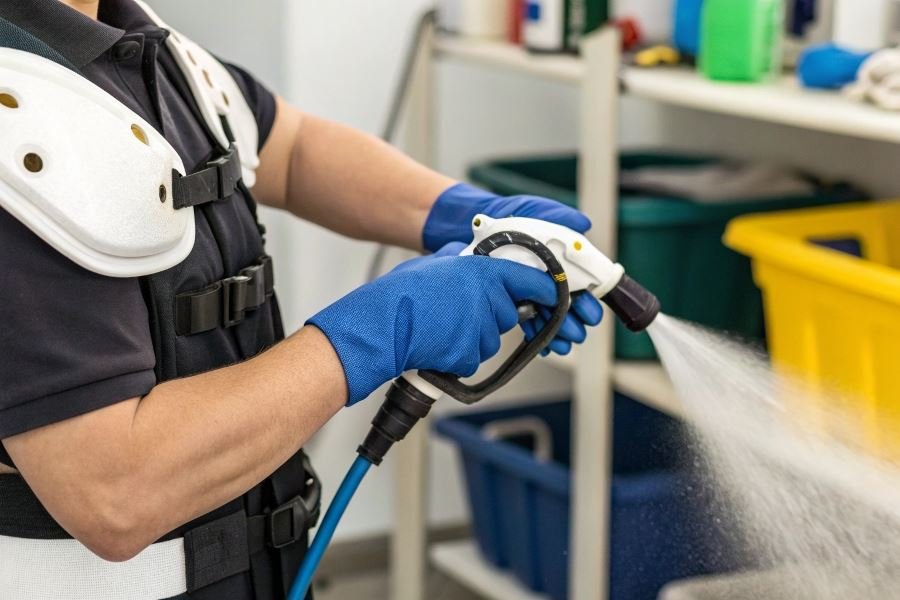
Ever caught your breath watching a mountain biker slam into the ground shoulder-first? That sickening crack isn’t just the sound of a season-ending injury—it’s the most commonly broken bone in the human body giving way.
The clavicle—that S-shaped bone connecting your sternum to your shoulder—takes the brunt when things go sideways in extreme sports. Despite being just 6 inches long, this unassuming bone bears tremendous responsibility, yet remains woefully underprotected by most athletes. A 2023 study published in the Journal of Sports Medicine revealed that clavicle fractures account for nearly 45% of all upper body injuries in downhill mountain biking, BMX racing, and motocross.
“The clavicle is the body’s natural crumple zone. When you fall, it’s designed to break before more vital structures are damaged.” — Dr. Sarah Connors, Sports Medicine Specialist
The protection landscape has evolved dramatically since the early days of makeshift padding. Today’s market offers specialized options ranging from low-profile impact shirts with strategically placed padding to dedicated clavicle shields that integrate with existing protective gear. The most advanced systems use materials like D3O® that remain flexible during normal movement but instantly harden upon impact.
For athletes pushing boundaries in gravity sports, investing in quality clavicle protection isn’t just about preventing breaks—it’s about preserving careers and lifestyles that depend on staying whole when things inevitably go wrong.
The Science Behind Clavicle Protection That Actually Works
When you’re bombing down a mountain bike trail at 30 mph or catching massive air on a snowboard, your collarbone is surprisingly vulnerable. That small bone connecting your sternum to your shoulder blade—the clavicle—is among the most commonly fractured bones in extreme sports. Selecting the right protection isn’t just about comfort; it’s about staying in the game when things go sideways.
The evolution of clavicle protection for extreme sports has transformed dramatically over the past decade, with manufacturers developing specialized gear that balances protection with mobility. Modern protective equipment now incorporates advanced materials and ergonomic designs that distribute impact forces away from this fragile bone while maintaining the freedom of movement athletes demand.
Material Science That Saves Collarbones
The foundation of effective protection starts with materials that can absorb and disperse impact energy. Today’s premium protectors utilize a strategic combination of:
- D3O technology: This non-Newtonian material remains flexible during normal movement but instantly hardens upon impact
- EVA foam: Provides lightweight cushioning with excellent recovery properties
- Carbon fiber reinforcement: Offers rigid protection while maintaining minimal weight
POC Sports has pioneered VPD (Visco-Elastic Polymer Dough) technology that adapts to body temperature, becoming more pliable during use while maintaining protective properties. Meanwhile, Leatt utilizes 3DF foam that progressively absorbs energy during crashes.
Finding Your Perfect Fit
Protection that doesn’t stay in place during activity is worse than useless—it’s dangerous. The best clavicle protectors feature:
Adjustability elements:
- Velcro straps with micro-adjustments
- Elastic components that move with your body
- Modular designs allowing customization
“A properly fitted protector should feel like a natural extension of your body, not an afterthought,” notes professional downhill mountain biker Aaron Gwin, who credits his clavicle protection with saving his season after a 2019 crash.
The difference between adequate and optimal protection often comes down to how well the gear conforms to your unique body shape. Most high-performance options now include:
| Fit Feature | Benefit |
|---|---|
| Anatomical pre-curve | Reduces bunching and improves comfort |
| Moisture-wicking liner | Prevents slippage during intense activity |
| Multiple size options | Ensures proper coverage for different body types |
Sport-Specific Protection That Makes Sense
Different extreme sports create unique impact scenarios that demand specialized protection approaches:
Mountain Biking/BMX: Look for protectors with extended shoulder coverage and integration with neck braces. Fox Racing offers models specifically designed to work with their neck protection systems.
Snowboarding/Skiing: Winter sport protectors typically feature lower profiles to fit under outerwear and often incorporate thermal properties. Burton has developed impact shirts with targeted clavicle reinforcement that work seamlessly under snow gear.
Motocross/Supercross: These high-velocity sports require the most robust protection, often incorporating hard-shell components and broader coverage areas. Alpinestars Bionic series offers comprehensive upper body protection with specific clavicle reinforcement.
The technology behind these sport-specific designs continues advancing, with manufacturers now using computer modeling and real-world crash data to identify vulnerable areas and optimize protection where it matters most.
When selecting your clavicle protection, remember that the best gear balances protection with the specific demands of your sport—because staying protected means staying in the game longer.
The Ultimate Guide to Clavicle Protection Selection
When you’re dropping into a half-pipe, bombing down a mountain bike trail, or catching air on your motocross bike, your collarbone is one of the most vulnerable parts of your body. I’ve seen too many seasons cut short by this common injury. Let’s dive into the three critical factors that separate adequate protection from exceptional clavicle guards that could save your season.
Safety certifications that actually matter
The difference between certified protection and “looks tough” gear can be the difference between a bruise and surgery. Top-tier clavicle protectors should carry certifications from recognized bodies like the CE (European Conformity) with EN 1621-1 or EN 1621-2 ratings. These aren’t just fancy acronyms—they represent impact tests where protectors must reduce transmitted force below specific thresholds.
The gold standard for motocross and downhill MTB is the CE Level 2 certification, which requires the protector to transmit less than 20 kN of force in testing—compared to Level 1’s 35 kN threshold. That’s a 43% improvement in impact absorption!
Many riders overlook the fact that some “protective gear” on the market carries no legitimate certification whatsoever.
| Certification Level | Force Transmission | Recommended For |
|---|---|---|
| CE Level 1 | <35 kN | Casual riding, skateboarding |
| CE Level 2 | <20 kN | Downhill MTB, motocross, snowboarding |
| ASTM F1952 | Additional moto-specific tests | Professional motocross |
Performance-friendly comfort and mobility
The protection-mobility balance is crucial—a guard that restricts movement creates new risks. Modern clavicle protectors use articulated designs and strategic padding placement to protect without compromising performance.
Material technology has revolutionized this space. The shift from rigid plastic shells to viscoelastic polymers like D3O and SAS-TEC has created protectors that remain flexible during normal movement but instantly harden upon impact.
Look for these key comfort features:
- Moisture-wicking fabrics that prevent the dreaded “protection sweat”
- Anatomical cuts that follow your body’s natural movement patterns
- Ventilation channels that prevent overheating during intense sessions
- Weight distribution systems that make you forget you’re wearing protection
The best clavicle protector is the one you’ll actually wear for every session—comfort ensures consistency.
Built to last through seasons of abuse
Durability isn’t just about saving money—it’s about ensuring your protection performs when you need it most. High-quality clavicle protectors maintain their protective properties even after multiple impacts and seasons of use.
Material degradation is the silent killer of protective equipment. UV exposure, sweat, and repeated impacts can compromise protective properties long before visible damage appears. Premium protectors use UV-resistant materials and multi-impact foam that recovers its protective properties after compression.
Maintenance requirements vary dramatically between brands:
- Some require hand-washing only with specialized cleaners
- Others can be machine-washed on gentle cycles
- The best options feature removable protective elements so you can wash the fabric components separately
When evaluating durability, examine the stitching quality at stress points and look for reinforced areas where the protector will see the most abrasion. Brands like Leatt, POC, and Alpinestars typically offer replacement parts for their premium protection systems, extending usable life significantly.
Remember: your clavicle protection is an investment in your ability to keep doing what you love. Choose wisely, maintain properly, and ride with confidence.