
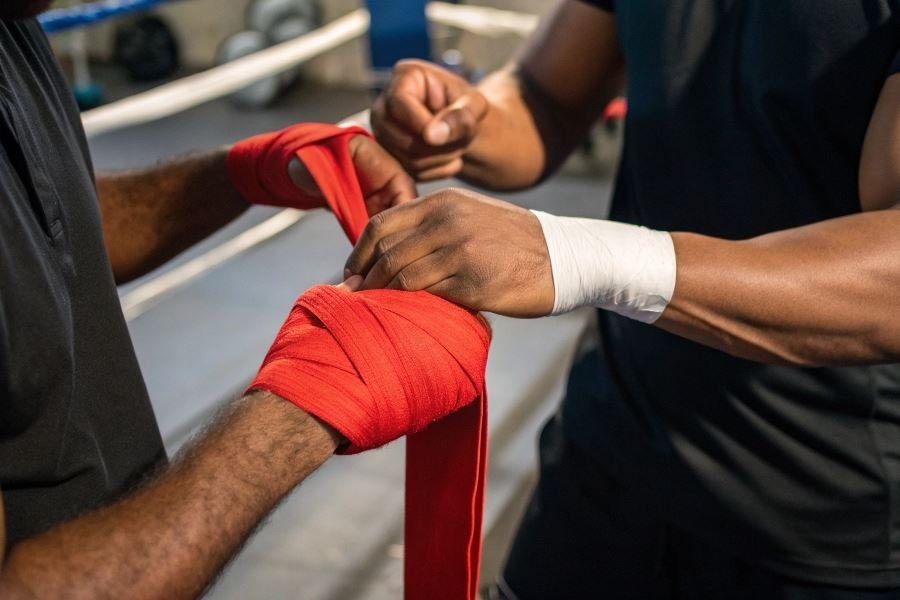
Ever watched a boxer’s hands get meticulously wrapped before a fight and wondered why they take such care? Those aren’t just fancy accessories—they’re the difference between peak performance and potential injury. Whether you’re throwing punches, lifting weights, or mastering gymnastics moves, your hands are your primary tools, and they deserve serious protection.
Sports wraps have evolved dramatically since their early days. What began as simple cloth bindings used by ancient Greek boxers has transformed into specialized equipment engineered for specific activities. Today’s market offers everything from traditional cotton wraps to modern synthetic blends with antimicrobial properties and even specialized wraps with integrated wrist support.
The protection puzzle goes beyond just comfort. Quality hand wraps stabilize the small bones and joints in your hands while absorbing shock that would otherwise transfer directly to your wrists and knuckles. This isn’t just about preventing injuries—it’s about extending your training career. Many professional fighters who neglected proper hand protection in their early years face chronic pain and limited mobility later in life.
Different training disciplines demand different protection approaches. Boxing and martial arts require wraps that prioritize knuckle padding and wrist alignment, while CrossFit athletes might prefer wraps offering thumb support for complex lifting movements. Gymnasts often choose thinner wraps that protect without sacrificing grip sensitivity.
“Your hands are your most valuable training tools—protect them like your career depends on it, because it does.” – Coach Mike Thompson, 3-time national boxing champion
The right wraps don’t just prevent injury—they can actually enhance your performance by improving confidence, allowing you to train harder and longer without subconscious hesitation.
Essential Factors for Selecting Training Wraps
When stepping into the ring or hitting the gym, the right support can make all the difference between a productive session and a potential injury. Sports wraps serve as your first line of defense, providing crucial joint stability while allowing freedom of movement. Understanding the key elements that separate quality wraps from subpar alternatives will significantly impact your training experience.
The process of selecting appropriate sports wraps for training involves evaluating several critical factors including material composition, proper sizing, support characteristics, and moisture management capabilities. Each element plays a vital role in ensuring your wraps perform optimally during intense workouts, whether you’re a boxer throwing hundreds of punches or a weightlifter pushing your limits.
Material Matters: Composition and Durability
The foundation of any quality wrap starts with its materials. Cotton remains the gold standard for traditional boxing and MMA wraps, offering natural breathability and comfort. Premium options typically feature a cotton-elastic blend with percentages ranging from 50/50 to 70/30 cotton-to-elastic ratios.
For strength training, neoprene and synthetic blends have gained popularity due to their enhanced durability and stability. These materials can withstand the rigors of heavy lifting while providing consistent support through hundreds of sessions.
Durability indicators to watch for:
- Reinforced stitching at stress points
- Double-layered thumb loops
- Machine-washable fabrics that maintain elasticity
- Color-fast dyes that won’t bleed during intense sweating
Size Specifications Across Disciplines
| Sport | Recommended Length | Ideal Width | Special Considerations |
|---|---|---|---|
| Boxing | 120-180 inches | 2-2.5 inches | Longer wraps for hand protection |
| Weightlifting | 12-36 inches | 3-4 inches | Shorter, wider for wrist stability |
| CrossFit | 72-108 inches | 2-3 inches | Medium length for versatility |
| MMA | 108-180 inches | 2-2.5 inches | Balance between protection and dexterity |
Length requirements vary dramatically based on your discipline. Boxing and Muay Thai practitioners typically need longer wraps (180 inches) to create multiple layers of protection across the knuckles and wrist. Conversely, powerlifters often prefer shorter, more rigid wraps focused exclusively on wrist support.
Width considerations are equally important—narrower wraps provide precision support for specific areas, while wider options distribute pressure more evenly across larger surfaces.
Support Systems: Elasticity and Securing Mechanisms
The perfect balance between elasticity and rigidity defines a truly effective wrap. Too much stretch compromises support, while too little flexibility restricts natural movement patterns and blood flow.
Support level indicators:
- Light support: 10-15% elasticity (ideal for beginners)
- Medium support: 5-10% elasticity (standard training)
- Maximum support: 0-5% elasticity (competition and heavy lifting)
Securing mechanisms have evolved beyond traditional Velcro. Modern options include:
- Hook-and-loop systems from Harbinger offering micro-adjustability
- Quick-release tabs for emergency removal
- Silicon grip strips preventing mid-workout slippage
- Thumb loops with reinforced stitching for longevity
Moisture Management: The Comfort Factor
Nothing derails a training session faster than soaked, slipping wraps. Advanced moisture-wicking technologies have transformed the wrap experience, with materials like Under Armour’s HeatGear fabric pulling sweat away from the skin.
Breathability features to prioritize include:
- Micro-perforations allowing air circulation
- Antimicrobial treatments preventing odor development
- Quick-drying fabrics (under 45 minutes air-dry time)
- Moisture-wicking inner layers paired with protective outer layers
The best wraps incorporate strategic ventilation zones without sacrificing structural integrity, ensuring your hands and wrists remain dry even during the most demanding training sessions.
By evaluating these essential factors—material quality, appropriate sizing, support characteristics, and moisture management—you’ll select wraps that enhance performance while minimizing injury risk, allowing you to train harder and recover faster.
Sport-Specific Wrap Selection Guide
Boxing and combat sports wrap essentials
When stepping into the ring, your hand wraps become your first line of defense. Boxing and MMA athletes require wraps that provide maximum wrist stabilization and knuckle protection. The gold standard for combat sports is cotton wraps ranging from 120 to 180 inches in length.
Compression is critical in combat sports wraps. They should be tight enough to support but not so tight they restrict blood flow. Professional fighters typically opt for the longer 180-inch wraps, which allow for multiple passes over the knuckles and extra support around the wrist.
The difference between proper hand wraps and improper ones could mean the difference between a career-defining victory and a hand injury that sidelines you for months.
Mexican-style wraps have gained popularity among serious fighters due to their elasticity and superior knuckle protection. These wraps contain a small percentage of elastic material (usually 5-10%) that provides a more secure fit while maintaining breathability.
For heavy bag work, consider semi-elastic wraps that offer additional padding. For sparring and competition, traditional cotton wraps provide the stability needed for powerful strikes without excessive bulk under gloves.
Weightlifting and strength training support
Weightlifting demands a completely different approach to wraps. Here, the focus shifts from protection to performance enhancement through increased joint stability.
Wrist wraps for lifting come in three primary rigidity levels:
| Rigidity Level | Best For | Length |
|---|---|---|
| Light | Beginners, high-rep workouts | 12-16 inches |
| Medium | Intermediate lifters, general training | 16-24 inches |
| Stiff | Advanced lifters, maximum loads | 24-36 inches |
When selecting wraps for powerlifting, look for materials that provide minimal stretch—typically heavy-duty cotton with reinforced stitching. These wraps should be between 24-36 inches for maximum support during heavy bench presses and overhead movements.
The wrap technique differs significantly from combat sports. Rather than complex weaving patterns, weightlifting wraps are typically wound tightly around the wrist in a spiral pattern, secured with either velcro or a thumb loop.
Competition considerations matter. If you’re competing in powerlifting, check your federation’s rules regarding wrap length and material, as some organizations limit wrap length to prevent excessive performance enhancement.
Gymnastics and calisthenics flexibility
For gymnastics and calisthenics, the primary concern shifts to balancing support with freedom of movement. These disciplines require wraps that protect without restricting the complex movements of the wrist.
Gymnastic wraps typically feature:
- Thinner profiles to maintain tactile feedback
- Moderate elasticity for movement
- Secure fastening systems that won’t come loose during inverted positions
Cotton-elastic blends work exceptionally well for these disciplines, offering the perfect balance between support and flexibility. Look for wraps with approximately 15-20% elastic content.
For ring work and bar exercises, prioritize wraps with reinforced palm areas to prevent friction burns while maintaining wrist alignment. Many gymnasts prefer wraps with thumb loops to prevent slippage during dynamic movements.
Calisthenics athletes should consider adjustable wraps that can be tightened or loosened depending on the specific exercise. For example, handstand pushups might require more support than standard pull-ups.
Remember that gymnastics and calisthenics wraps should enhance performance without becoming a crutch. They’re meant to support proper form, not compensate for mobility limitations that should be addressed through proper training and stretching.