
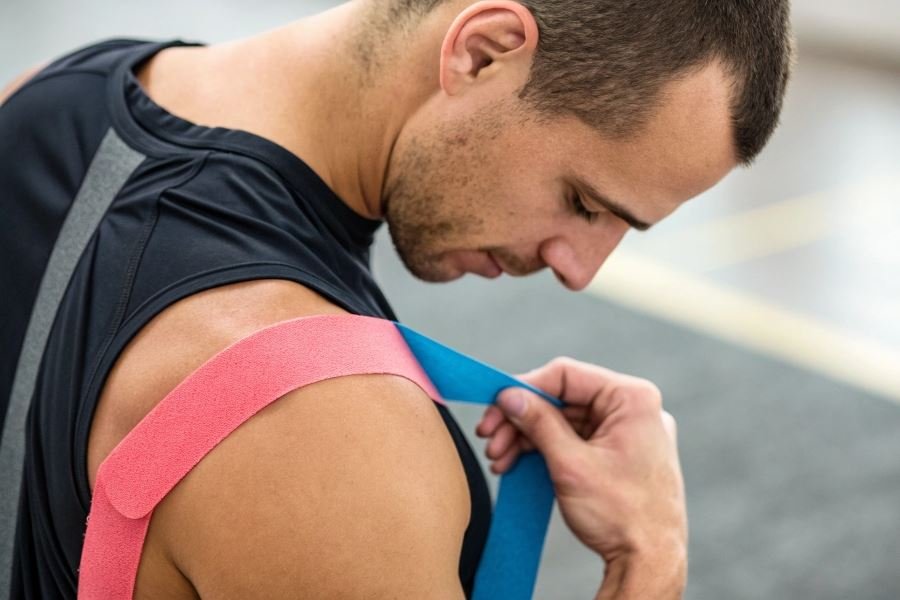
Ever noticed how that $40 knee wrap suddenly loses its support after just a few weeks? The average athlete discards bandages 3-4 times faster than necessary, essentially throwing money into the gym trash can. But here’s the game-changer: with proper care, you can triple the lifespan of your athletic supports.
Athletic bandages aren’t just accessories—they’re performance tools that deserve maintenance as dedicated as your training schedule. Whether you’re recovering from injury or preventing one, these supportive companions need specific attention to maintain their elasticity, compression, and protective qualities.
The maintenance mindset: Why bandage care matters
Think of your sports bandages like your favorite running shoes—neglect them, and they’ll fail when you need them most. Proper cleaning prevents bacterial growth (which can lead to skin infections), while correct storage maintains elasticity and compression. The difference between a bandage that lasts three weeks versus three months often comes down to simple care habits.
Know your bandage, know your care routine
Not all bandages are created equal:
| Bandage Type | Primary Materials | Special Care Needs |
|---|---|---|
| Elastic wraps | Cotton, polyester, rubber | Hand wash, air dry flat |
| Compression sleeves | Nylon, spandex | Avoid fabric softeners, no wringing |
| Kinesiology tape | Cotton, acrylic adhesive | Clean skin before application |
The payoff: Beyond the financial benefits
Extending bandage life isn’t just about saving money. Well-maintained bandages provide consistent support, reducing injury risk during critical training periods. They’re also more hygienic, preventing skin irritation and breakouts that can sideline your progress.
By implementing proper care routines, you’re not just preserving equipment—you’re protecting your performance potential.
Essential Bandage Care: Maximizing Lifespan and Performance
Let’s face it—your sports bandages take a beating. They absorb sweat, collect dirt, and stretch to their limits during intense workouts. Yet many athletes treat these essential pieces of gear as afterthoughts, tossing them into gym bags only to wonder why they’re falling apart after just a few weeks.
Proper care for sports bandages isn’t just about saving money—though that’s certainly a bonus. It’s about ensuring consistent support, preventing skin irritations, and maintaining hygiene standards that keep you performing at your peak. How to care for sports bandages to extend their lifespan comes down to three critical areas: washing, drying, and storage. Master these fundamentals, and your bandages will reward you with months of additional support.
Material-Specific Washing Techniques
Different bandage materials demand different cleaning approaches:
Elastic cotton bandages benefit from hand washing with mild soap in lukewarm water. Avoid harsh detergents that break down natural fibers and compromise elasticity.
Synthetic compression wraps can typically handle machine washing on gentle cycles, but always use a mesh laundry bag to prevent snagging. Set your machine to cold water with a sports-specific detergent like Hex Performance that’s designed to eliminate odor-causing bacteria.
Never use bleach or fabric softeners on any athletic bandages—these chemicals destroy elastic properties and can cause skin irritation.
For neoprene supports, a quick 5-minute soak in a solution of one tablespoon of white vinegar per quart of water will neutralize odors before your regular wash.
| Bandage Type | Washing Method | Water Temp | Detergent Type | Frequency |
|---|---|---|---|---|
| Cotton Elastic | Hand wash | Lukewarm | Mild, no enzymes | After each use |
| Synthetic | Machine gentle | Cold | Sports-specific | Every 2-3 uses |
| Neoprene | Hand wash | Cool | Mild soap | After each use |
| Kinesiology Tape | Non-washable | N/A | N/A | Single use only |
Drying Done Right
The drying process is where many athletes unknowingly destroy their bandages:
Air drying is the gold standard for all bandage types. Lay bandages flat on a clean towel away from direct sunlight, which degrades elastic fibers and causes premature brittleness.
Never wring out wet bandages—this stretches and distorts the fibers. Instead, press them between clean towels to remove excess moisture.
For faster drying without damage, try the towel roll technique: place your bandage between two clean towels and apply gentle pressure, rolling from one end to the other.
Avoid dryers at all costs! Even on low heat settings, dryers are bandage killers, causing shrinkage and elastic breakdown that renders your gear useless.
Strategic Storage Solutions
Your storage approach can make or break bandage longevity:
Roll, don’t fold your bandages when storing. Folding creates permanent creases that weaken the material at stress points and reduce supportive properties.
Dedicated containers prevent contamination and maintain shape. A simple plastic container with ventilation holes works perfectly—just ensure bandages are completely dry before storage.
Temperature control matters. Store bandages in cool, dry environments between 60-75°F. Excessive heat or humidity accelerates elastic degradation, while freezing temperatures can make synthetic materials brittle.
For athletes who travel frequently, consider a silicone storage case like those from Mueller Sports Medicine that protect bandages from compression and environmental factors while on the go.
By implementing these specialized care techniques, you’ll not only extend your bandages’ useful life by up to 300%, but you’ll also ensure they deliver consistent performance when you need it most—during those crucial moments of athletic challenge.
Advanced Care Strategies for Sports Bandages
Let’s face it—your sports bandages take a beating. They support you through grueling workouts, absorb sweat, and protect against injuries. But are you giving them the care they deserve? Let’s dive into some game-changing strategies that will extend the life of your athletic wraps and keep them performing at their peak.
Spotting wear before it’s too late
The first sign of bandage deterioration often appears as fraying along the edges. This isn’t just cosmetic—it’s the beginning of structural breakdown. When you notice threads coming loose, trim them carefully with scissors rather than pulling, which can accelerate unraveling.
Elasticity loss is another critical warning sign. A simple test: stretch your bandage to about 75% of its maximum length and release. If it doesn’t snap back quickly, the elastic fibers are breaking down.
Pro tip: Document your bandages’ recovery time when new, then test monthly. A 20% decrease in recovery speed signals it’s time for preventative action.
Color changes also tell a story—darkening in certain areas often indicates bacterial growth, while general fading suggests UV damage. For neoprene supports, watch for cracking or stiffening, especially in fold areas.
Preventative maintenance is straightforward but crucial:
- Rinse immediately after use (even a quick 30-second rinse makes a difference)
- Air dry completely before storage (moisture is the enemy)
- Store in breathable containers away from direct sunlight
- Apply fabric conditioner sparingly every 10 washes to maintain elasticity
Smart rotation strategies
Think of your bandages like professional athletes—they need recovery time. Implementing a rotation system can extend their collective lifespan by up to 40%.
For optimal rotation, follow this approach:
| Usage Level | Minimum Bandages in Rotation | Rotation Schedule |
|---|---|---|
| Light (1-2x weekly) | 2 sets | Alternate each use |
| Moderate (3-4x weekly) | 3 sets | Use each set once before repeating |
| Heavy (5+ times weekly) | 4+ sets | Never use same set on consecutive days |
Label your bandages with small tags indicating purchase date and usage count. This data-driven approach helps track wear patterns and optimize your rotation schedule.
For multi-sport athletes, consider sport-specific designation. Bandages used for high-impact activities like basketball should never be your go-to for lower-impact activities like yoga. The stress profiles are entirely different.
Replace or rehabilitate
The replace-versus-repair decision comes down to three factors: structural integrity, hygiene concerns, and performance requirements.
When to replace immediately:
- Tears longer than 1 inch
- Visible mold or persistent odor
- Complete elasticity failure
- Closure mechanisms (velcro, hooks) no longer functioning
When rehabilitation makes sense:
- Minor fraying (fixable with careful stitching)
- Slight elasticity reduction (can be temporarily restored with proper washing techniques)
- Surface staining (often removable with specialized cleaners)
For high-performance athletes, replacement should happen more frequently. The support difference between new and 6-month-old bandages can be significant enough to affect performance and injury prevention.
Remember that even well-maintained bandages have a finite lifespan. Quality athletic tape from brands like KT Tape typically lasts 3-6 months with regular use, while premium compression wraps might extend to 8-12 months before performance degradation becomes noticeable.
By implementing these advanced care strategies, you’ll not only save money but also ensure consistent support and protection when your body needs it most.