
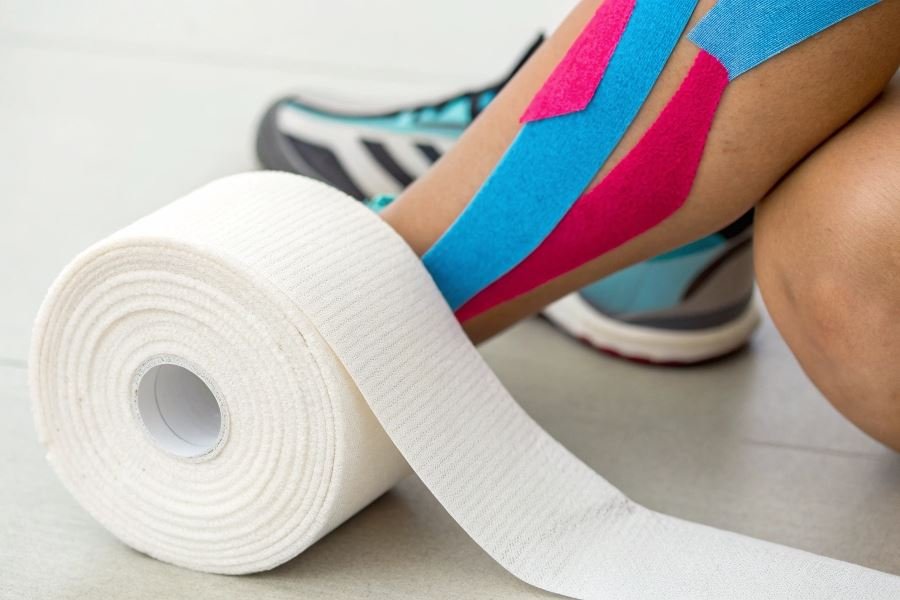
Ever wonder why elite athletes have colorful strips adorning their muscles during competition? Those aren’t fashion statements—they’re sophisticated performance tools with decades of evolution behind them.
Sports tapes represent that perfect intersection where medical science meets athletic performance. At their core, these specialized adhesive strips serve dual masters: they both prevent injuries by providing crucial joint stability and accelerate recovery by supporting damaged tissues. What began as simple white medical tape in the 1970s has transformed into a specialized arsenal of performance-enhancing tools used by everyone from Olympic sprinters to weekend warriors.
The journey of sports taping techniques is fascinating. Traditional athletic tape dominated locker rooms for decades until the 1980s when Japanese chiropractors developed kinesiology tape—that colorful, elastic variety you’ve likely spotted during major sporting events. This innovation marked a dramatic shift from rigid support to functional assistance, allowing athletes to maintain mobility while receiving therapeutic benefits.
Why athletes across disciplines swear by taping:
- Immediate stability for vulnerable joints during high-impact activities
- Enhanced proprioception (your body’s awareness of position and movement)
- Improved blood circulation to accelerate healing in injured areas
- Reduced pain through neurological interference mechanisms
From basketball courts to marathon routes, these specialized adhesives have become as essential to an athlete’s kit as proper footwear. The right tape application can mean the difference between pushing through to victory or watching from the sidelines.
The Tape Revolution: Support Systems for Every Athlete
When you’re pushing your body to its limits, the right support can make all the difference between peak performance and painful setbacks. The strategic application of sports tapes has transformed how athletes train, compete, and recover across virtually every discipline. Understanding the types of sports tapes and their application methods isn’t just about slapping on adhesive—it’s about creating a customized support system that works with your body’s unique mechanics.
Let’s dive into the fascinating world of athletic support solutions that have been quietly revolutionizing sports medicine since the 1970s. Each tape variety serves distinct purposes, from rigid joint stabilization to promoting circulation and reducing inflammation. The science behind these sticky solutions combines biomechanics, material engineering, and practical application techniques that can dramatically improve performance and recovery times.
Athletic Tape: The Original Joint Guardian
Athletic tape (often called white tape) remains the gold standard for rigid support applications. This non-elastic cotton-based tape creates firm, unyielding support that effectively immobilizes joints and protects ligaments during high-impact activities.
Application technique matters tremendously. Always start with a pre-wrap or underwrap to protect skin and hair. Apply the tape with approximately 50% overlap between layers, creating a continuous support structure. For ankle stabilization—the most common application—the classic “stirrup” technique involves:
- Anchoring around the mid-calf
- Running strips down both sides of the ankle
- Adding horizontal “horseshoe” strips for complete stabilization
Athletic tape works best when applied 30-45 minutes before activity, allowing adhesive to set and body heat to activate maximum stickiness.
| Athletic Tape Benefits | Best For |
|---|---|
| Maximum joint stability | Ankle sprains |
| Prevents hyperextension | Wrist support |
| Rigid support structure | Finger/thumb taping |
| Short-term use (2-3 hours) | Acute injury protection |
Kinesiology Tape: The Flexible Recovery Ally
Unlike its rigid cousin, kinesiology tape offers a completely different approach to support. This elastic cotton tape with acrylic adhesive stretches up to 40% of its resting length, mimicking the elasticity of human skin and muscle.
The genius of kinesiology tape lies in its ability to support muscles while still allowing full range of motion. When properly applied, it microscopically lifts the skin away from underlying tissues, creating space that:
- Improves circulation to injured areas
- Reduces pressure on pain receptors
- Provides proprioceptive feedback to muscles
- Supports lymphatic drainage to reduce swelling
Application requires precision. The direction and tension of the tape determines its effect—apply from muscle origin to insertion with 10-25% stretch for support, or origin to insertion with 50-75% stretch for rehabilitation. The tape can remain effective for up to 5 days, even through showers and sweat sessions.
Cohesive Bandages: The Compression Specialist
The third major player in the sports tape arsenal is the self-adherent cohesive bandage. These remarkable wraps stick only to themselves—not to skin, hair, or clothing—making them ideal for compression applications that require frequent adjustment.
Cohesive bandages excel at:
- Creating graduated compression to reduce swelling
- Securing ice packs or wound dressings
- Providing moderate support with full mobility
- Quick application without additional adhesives
The application technique focuses on consistent tension, typically wrapping from distal to proximal (away from the heart to toward it) with approximately 30% overlap between layers. For shin splints or calf support, start at the ankle and work upward with moderate, even pressure.
Remember that proper tape application is both art and science—when in doubt, consult with a certified athletic trainer who can demonstrate techniques specific to your needs and body mechanics.
Tape Selection Mastery for Every Athlete
Matching the Perfect Tape to Your Needs
Finding the right sports tape isn’t just about grabbing whatever’s on sale—it’s about understanding your body’s specific requirements. Kinesiology tape excels for muscle support during recovery while maintaining mobility. For athletes dealing with recurring hamstring issues, K-tape applied in a fan pattern can provide targeted support without restricting natural movement.
Rigid athletic tape remains the gold standard for immobilization and joint stability. Basketball players with ankle instability benefit from the classic stirrup technique, which locks the ankle while allowing controlled dorsiflexion and plantar flexion.
Cohesive tape offers the perfect middle ground for athletes needing moderate support with flexibility. Volleyball players often prefer this option for preventative finger taping that won’t unravel during intense matches.
The difference between proper and improper tape selection can mean the difference between playing through minor discomfort and being sidelined for weeks.
For chronic conditions like plantar fasciitis, specialized pre-cut tapes with targeted compression zones can provide relief during both training and recovery phases.
Application Techniques That Actually Work
The effectiveness of any sports tape depends heavily on proper application. Always start with clean, dry skin—moisture is tape’s worst enemy. For maximum adhesion, consider using a light spray adherent on hairier areas, though many modern tapes adhere well without additional products.
When applying rigid tape for stability:
- Use underwrap to protect skin and hair
- Apply with 50% stretch and 50% overlap
- Avoid complete circumferential wrapping that could restrict circulation
- Round all corners to prevent premature peeling
Kinesiology tape requires a different approach:
- Round all corners before application
- Apply the anchors with zero tension
- Apply the therapeutic zone with 10-50% tension depending on the goal
- Rub the tape vigorously after application to activate the adhesive
For safe removal, always pull the tape in the direction of hair growth while supporting the skin. Athletic tape removers can be lifesavers for sensitive skin or when dealing with particularly stubborn adhesives.
Keeping Your Tape Arsenal Ready
| Tape Type | Shelf Life | Storage Recommendations |
|---|---|---|
| Kinesiology | 12-18 months | Cool, dry place away from direct sunlight |
| Rigid Athletic | 24-36 months | Room temperature, sealed container |
| Cohesive | 18-24 months | Avoid extreme temperatures |
| Pre-cut/Specialized | Varies by brand | Follow manufacturer guidelines |
Quality sports tape isn’t cheap, but proper storage dramatically extends its usability. The adhesive in most tapes begins degrading when exposed to heat, humidity, or direct sunlight. Store your tape collection in a dedicated container rather than loose in your gym bag.
Replace your tape when you notice:
- Decreased adhesive quality
- Edges that curl immediately after application
- Unusual stiffness or brittleness
- Discoloration or unusual odor
Most manufacturers recommend replacing opened rolls after 6-12 months, even with proper storage. For competitive athletes, maintaining a fresh supply ensures you’re never caught with subpar materials when you need support most.
Remember that even the highest quality tape has limitations—it’s a tool for support and recovery, not a replacement for proper medical care for serious injuries. When used correctly, sports tape can be the difference between sitting on the sidelines and staying in the game you love.