
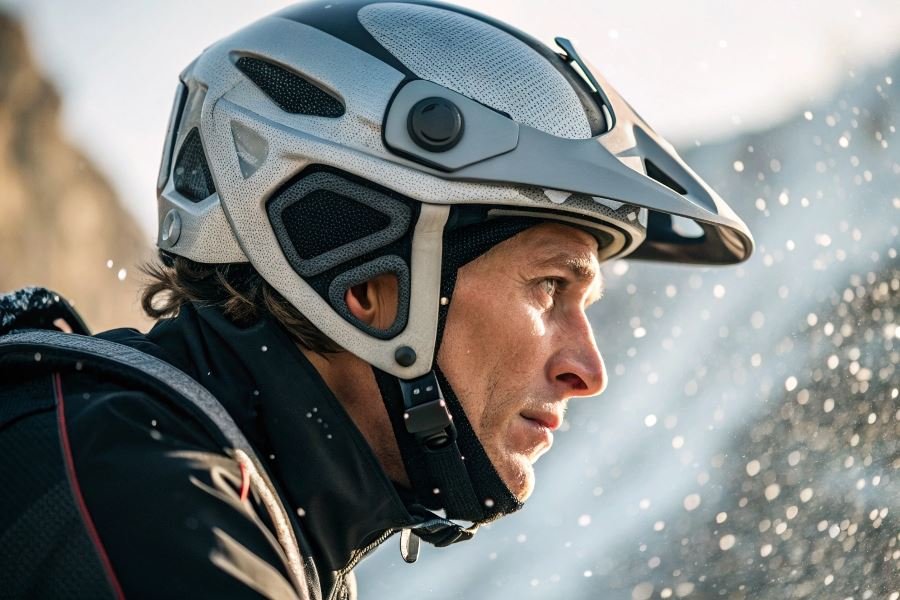
Ever wondered why some helmets feel like they’re squeezing your brain while others wobble like a bobblehead doll? That gap between your head and your helmet isn’t just uncomfortable—it could be the difference between walking away from an accident or not. According to the American Association of Neurological Surgeons, helmets reduce the risk of head injury by up to 85% when properly fitted.
Finding your perfect helmet match isn’t just about comfort—it’s about survival. Whether you’re carving down black diamond slopes, pedaling through city traffic, or stepping up to bat, the right helmet size creates an invisible shield that moves with you, not against you. Think of it as your brain’s personal bodyguard, custom-fitted to your unique head shape.
The consequences of compromise
When helmets don’t fit correctly, they simply can’t do their job. Too loose, and they’ll shift during impact, potentially exposing vulnerable areas. Too tight, and they can cause headaches, pressure points, and make you less likely to wear them at all. The National Safety Council reports that improperly fitted helmets contributed to over 40% of preventable head injuries in recreational sports last year.
“A helmet that doesn’t fit is like wearing someone else’s prescription glasses—it gives you the illusion of protection without the benefit.” — Dr. James Thompson, Sports Medicine Specialist
The universal language of fit
While different sports have specialized helmet designs, certain principles remain constant across disciplines:
- Snug but not tight: A properly sized helmet should feel secure without causing discomfort
- Level positioning: The helmet should sit level on your head, not tilted back or forward
- Coverage: The right size ensures protection of vital areas specific to your sport
- Stability: Minimal movement when you shake your head means optimal protection
Remember: your head shape is as unique as your fingerprint. The perfect helmet embraces these contours without compromise.
Measuring Up: The Science of Perfect Helmet Fit
Getting the right helmet size isn’t just about comfort—it’s about survival. A properly fitted helmet can reduce head injury risk by up to 85% during impacts, while a poorly fitted one might as well be a fashion accessory. Let’s dive into the measurement techniques that could literally save your brain.
The process of how to choose the right helmet size for different types of sports begins with understanding that your head’s circumference is just the starting point. Each sport has specific impact patterns and protection needs that influence ideal fit. Whether you’re bombing down a mountain bike trail or facing a 95 mph fastball, your helmet needs to be your perfect partner.
The Tape Measure Truth
Measuring your head correctly is surprisingly simple, yet most people get it wrong. Grab a flexible tape measure and wrap it around your head about one inch above your eyebrows and ears—this is your widest point. The tape should be snug but not tight enough to cause discomfort.
Pro tip: Measure three times and take the largest number. Head measurements can vary by a few millimeters depending on hair compression and tape tension.
If you don’t have a tape measure, use a string and then measure it against a ruler. Your measurement in centimeters or inches will be your starting point for consulting size charts.
Decoding Size Charts Like a Pro
Size charts aren’t created equal, and this is where many athletes go wrong. European, Asian, and American manufacturers often use different standards:
| Region | Sizing System | Example Conversion |
|---|---|---|
| US/UK | Inches or S/M/L | 22″ = Medium |
| Europe | Centimeters | 56cm = Medium |
| Asia | Millimeters | 560mm = Medium |
The same “Medium” can vary up to 2cm between brands like Giro and Bell. Always check the specific manufacturer’s chart rather than assuming your size.
Sport-Specific Secrets
Different sports demand different measurement considerations:
Cycling
Cycling helmets should sit level on your head with the front edge one inch or two fingers’ width above your eyebrows. Road and mountain biking helmets from brands like Specialized often include retention systems that can accommodate slight variations in head shape.
The ideal fit allows you to move your eyebrows without the helmet shifting.
Football
Football helmets require precise measurement of not just circumference but also head length and width. The Riddell SpeedFlex, for example, uses a 3D scanning system for custom fits. Your helmet should make contact with the crown of your head and feel snug around your cheeks without causing pain.
Hockey
Hockey helmets from manufacturers like Bauer typically offer dual-adjustment points—one for head circumference and another for depth. Your forehead should be approximately two finger-widths from the helmet’s brim, with no pressure points that could cause headaches during extended play.
Remember that hair (especially thick or curly hair) can affect measurements by up to a centimeter. When trying helmets, wear your hair as you would during your sport. And never—I repeat, never—buy a helmet expecting to “grow into it.” Your brain deserves better protection than that.
Perfecting Your Helmet Fit for Maximum Protection
Final fit verification techniques across sports
Getting your helmet size right is just the beginning – verifying that perfect fit is where safety truly happens. For cycling helmets, perform the “two-finger test” by placing two fingers between your eyebrows and the helmet rim. The helmet should sit level, not tilted back exposing your forehead or forward obstructing vision. Shake your head vigorously – a properly fitted helmet stays put without shifting.
For football and hockey helmets, the cheek pads should make firm contact with your face without causing discomfort. When you open your mouth, you should feel the helmet tug slightly on your head – this indicates proper tension. The facemask should sit approximately two finger-widths from your nose.
Skateboarding and climbing helmets require different verification techniques. With these helmets, ensure even pressure distribution across your entire head without pressure points. The chin strap should allow you to fit one finger between it and your chin – any looser and the helmet could shift during impact.
The difference between a good fit and a perfect fit isn’t just comfort – it’s the difference between partial and complete protection during impact.
When replacement or resizing becomes necessary
Sports helmets aren’t lifetime investments. Most manufacturers recommend replacing helmets every:
| Sport | Replacement Timeline | Signs of Needed Replacement |
|---|---|---|
| Cycling | 3-5 years | Visible cracks, compressed foam |
| Football | After significant impacts or 2-3 seasons | Shell cracks, loose padding |
| Hockey | 5-7 years | Loose cage, deteriorated padding |
| Skiing/Snowboarding | 5 years | UV damage, compromised shell |
Beyond these timelines, immediate replacement is necessary after any significant impact – even if damage isn’t visible. The protective foam compresses during impact and won’t provide the same protection afterward.
Resizing becomes necessary for growing athletes (particularly children and teenagers), weight fluctuations affecting head circumference, or when you notice consistent discomfort during use. Many helmets from Smith Optics and Giro feature adjustable fit systems, but these have limitations – sometimes a new size is the only safe solution.
Professional fitting resources worth exploring
While self-fitting works for many, professional assistance ensures optimal protection for high-impact sports. Dick’s Sporting Goods offers in-store helmet fitting services with trained specialists who understand sport-specific requirements. For cycling enthusiasts, most Trek stores provide comprehensive helmet fitting using head-mapping technology.
For football and hockey players, team equipment managers typically provide expert fitting, but independent services like Xenith offer specialized fitting sessions. Many ski resorts partner with helmet manufacturers to provide on-mountain fitting services during peak seasons.
Digital options have also emerged, with apps like Specialized’s Ride App offering virtual fitting guidance. However, these should supplement rather than replace hands-on verification, especially for contact sports where precise fit directly correlates with concussion prevention.
Remember that professional fitting isn’t just for first-time purchases – having your current helmet’s fit evaluated annually ensures continued protection as your head shape subtly changes over time.